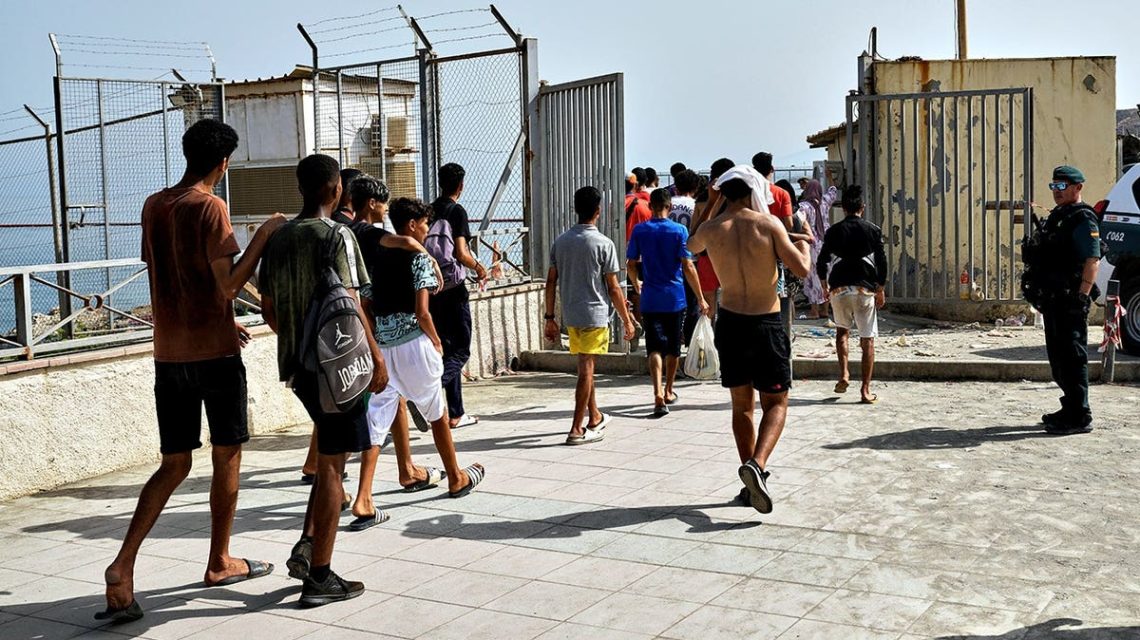
At least 72 migrants have died in the aftermath of a chaotic attempt to breach the Spanish enclave of Ceuta, igniting discussions on immigration in Europe. Spanish authorities searched the waters surrounding Ceuta over the weekend for more victims after about 50,000 to 60,000 migrants, mostly young men, flooded into the small Spanish territory located in North Africa. Many victims drowned attempting the crossing, while others died in a stampede at a breakwater barrier.
This mass influx unfolded over several days, temporarily transforming Ceuta’s population, which is approximately 84,000 residents, by more than half. By Sunday, many migrants returned to Morocco, while some lingered in the city or evaded authorities.
Spain Deploys Military Amid Migrant Surge
The tragic loss of life has intensified political debates over immigration in Spain and across Europe. Far-right political figures have demanded stricter border controls and the expulsion of migrants who remain in the enclave. Santiago Abascal, leader of Spain’s nationalist Vox party, visited Ceuta on Sunday, labeling the migrant influx as “an invasion” and accusing the government of weak border protection.
There were conflicting moments on Saturday when Alvise Pérez, a European Parliament member, faced hostile counterprotesters during a rally in Ceuta, necessitating police escort after he sought refuge in a nearby establishment.
Migrant Crisis Impact on Europe’s Border System
Many local residents expressed grief over the fatalities amid the escalating political tensions. Karima Abenaz, a French national living in Ceuta with Moroccan family ties, expressed deep sorrow for the lives lost at sea.
“It pains me deeply that young people are dying at sea. It’s not right that, in the year 2026, women with children as young as two months old should be crossing the sea only to die,” she stated.
She emphasized the need to demand rights from the government instead of risking lives at sea. Mohamad Abdelkader Driss, a Ceuta waiter, believes the authorities are at fault for allowing the border to open, leading to the mass arrival.
Concerns were also voiced by some residents regarding Ceuta’s future as a city with diverse religious communities living harmoniously, questioning the city’s security and the possibility of future crossings.
Travel Advisory Update
In response to the surge, the U.S. State Department elevated its Travel Advisory for Ceuta to Level 3: Reconsider Travel. The warning cited potential security risks due to the uncontrolled arrival of migrants from Morocco to Ceuta.
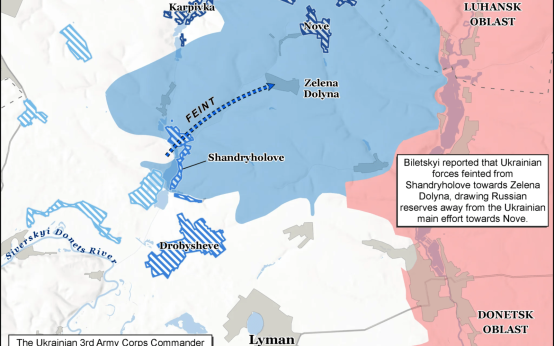 Ukraine Converts APCs to Explosive Devices in Donetsk Offensive
 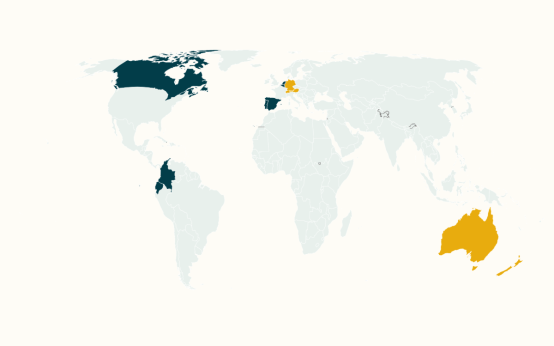 Dutch Review Board’s Euthanasia Ruling and International Debate
  Israeli PM Commends Heroic Actions in Flight Emergency
  Rabbi and Jewish Leaders Criticize Adam Brody for ‘Genocide’ Comment
  Flydubai’s Emergency Landing Highlights Cockpit Security
 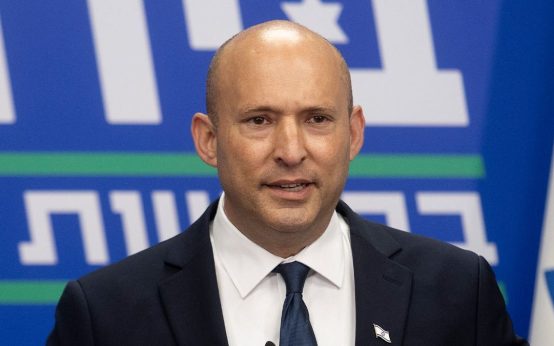 Former Israeli PM Naftali Bennett Commends Passengers and Crew for In-Flight Heroism