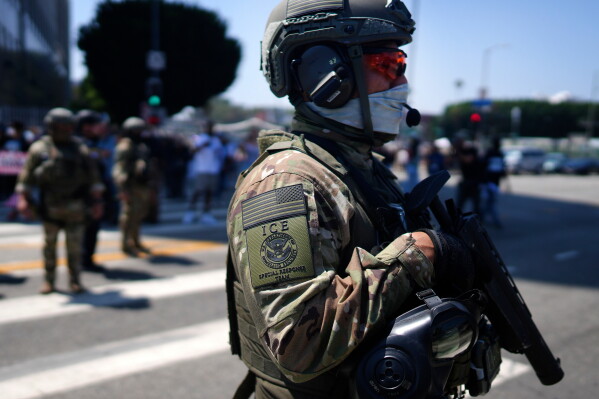
U.S. Immigration and Customs Enforcement (ICE) plans to equip all field officers and agents with body cameras by the end of August. This move aims to enhance transparency and provide a visual record of immigration enforcement activities.
However, the release of this footage to the public remains under ICE’s control. The agency defends its policy that allows leadership to withhold or delay footage in cases of serious injuries or deaths during custody. Acting Director David J. Venturella states these restrictions align with federal law and protect ongoing investigations and individual privacy.
ICE’s policy includes a provision for expedited release of footage post-incidents like injuries or deaths, if deemed in the agency’s ‘best interests.’ Venturella notes that this has been mischaracterized and emphasizes that footage release is moderated to avoid compromising investigations or privacy.
Critics highlight that similar policies about footage release exist across law enforcement but are less explicit. Christopher Schneider, a sociology professor, points out that ICE’s disclosure of selective releases is unusually forthright.
ICE has faced increased scrutiny after fatal shootings in Maine and Houston, which were not captured on body cameras. Despite this, Venturella assures that the agency remains committed to transparency and accountability and is on schedule to complete camera deployment by August.
In related instances, Customs and Border Protection has also delayed footage release, such as the Minneapolis shooting of Alex Pretti, citing ongoing investigations.
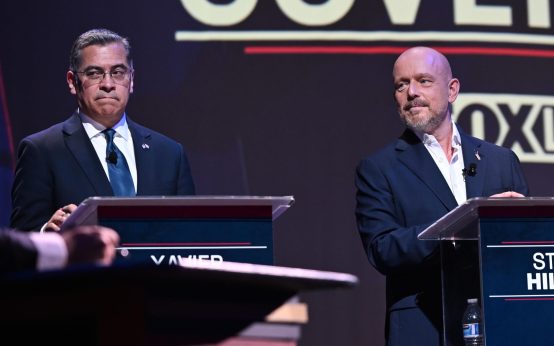 Becerra and Hilton Clash in California Gubernatorial Debate
  California Voters to Decide on $7.5 Billion State Research Fund
  Highlights from the California Gubernatorial Debate: Becerra vs. Hilton
  Becerra vs. Hilton: The Debate and Key Issues in the California Governor Race
  Senate Confirms New Labor Secretary
 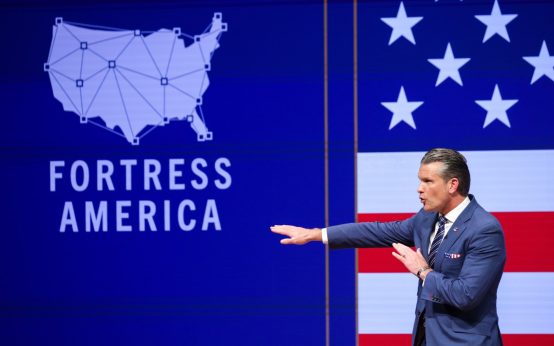 Hegseth’s Ambitious Military Initiatives to Reshape Warfare