
Discharge day in the neonatal intensive care unit, or NICU, often represents a significant milestone for families. After enduring weeks or months surrounded by the sounds of monitors, alarms, and dealing with oxygen, feeding tubes, and numerous blood tests, parents eagerly anticipate taking their newborn home.
Recent research highlights the potential dangers even slight increases in air pollution pose to preterm infants. These infants are particularly vulnerable to serious respiratory illnesses as they transition to life outside the hospital. It underscores the importance of maintaining low air pollution levels to protect these vulnerable populations.
Air pollution can have a substantial effect on respiratory health, especially for infants born prematurely. Their underdeveloped lungs are more susceptible to pollutants in the air. This increased risk necessitates community-wide efforts to reduce pollution and promote cleaner air standards.
Efforts to address air quality can significantly impact the health outcomes for these infants. Understanding these risks can help parents and health professionals advocate for healthier living environments.
 Higher Consumption of Ultra-Processed Foods Linked to Increased Health Risks
  Understanding Inflammation: Myths and Facts
 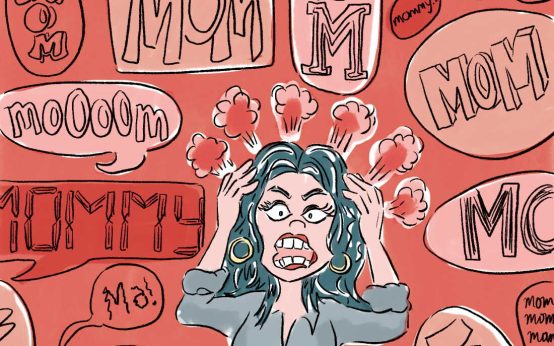 Calm Parenting: Strategies to Manage Stress
  Trump’s Executive Order to Combat Mosquitoes and Ticks in D.C.
  Overcoming Weight Loss Challenges: Brain Health and GLP-1 Medications
 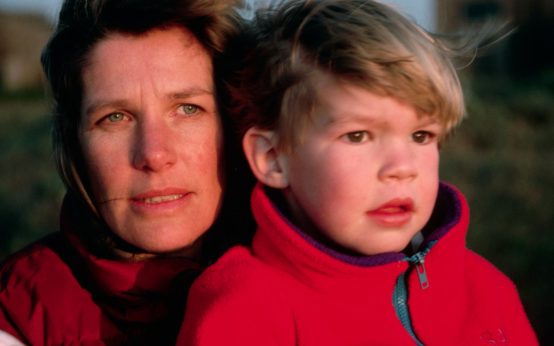 Supporting Children’s Mental Health at Home: Practical Steps for Parents