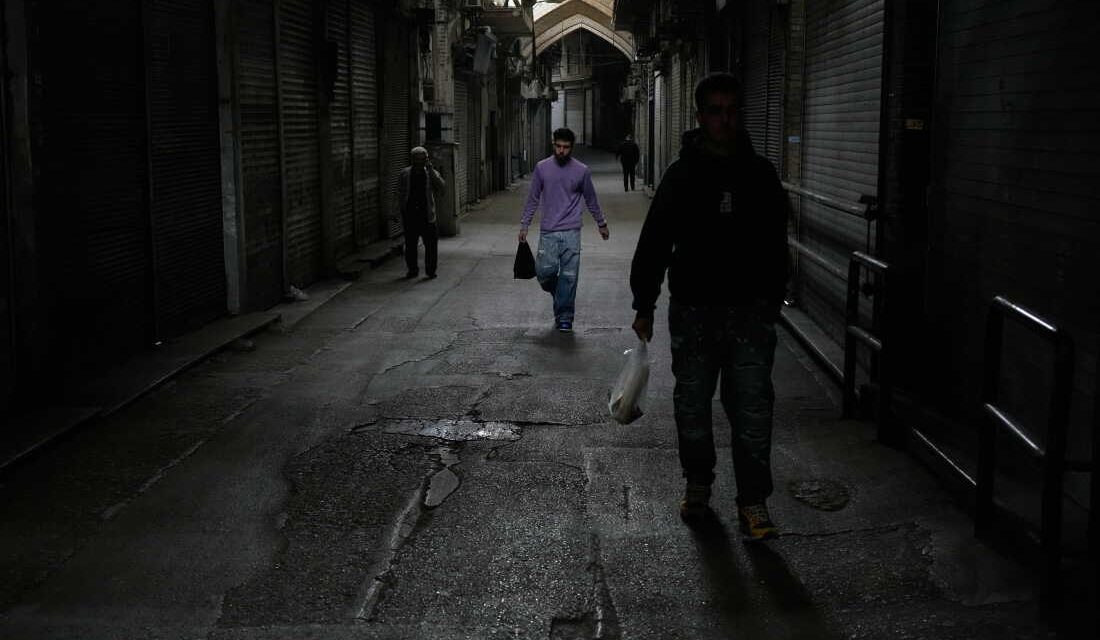
People walk past closed shops in the nearly empty main bazaar during Nowruz holidays in Tehran, Iran, highlighting a stark economic situation. Rasoul, a 42-year-old engineer in Tehran, once assured his wife of financial stability, even considering driving for Snapp, Iran’s equivalent to Uber, if needed.
When the war hit, that contingency became a necessity. Since the United States and Israel launched attacks over six months ago, ordinary Iranians have faced economic collapse. Inflation has surged, escalating costs for essentials like gas, food, and rent. Livelihoods unravel, forcing some to borrow just to get by, while putting major life plans on hold. Officially, Iran’s unemployment rate is 9%, but independent analysts suggest a much higher figure. Jobvision, an Iranian job portal, reported a 50% increase in resume submissions in late April. Even state-sanctioned labor leaders acknowledge the crisis’s severity, with Alireza Mahjoob from Iran’s Workers House admitting joblessness is worse than expected.
Disrupted Networks and Crippling Sanctions
For Rasoul, decline came quickly. January saw a government crackdown on protests, with authorities restricting internet access. This move damaged companies reliant on international networks. Rasoul’s tech firm lost customers rapidly. By mid-February, he was laid off, leading to a period of depression. He spoke on condition of anonymity due to fear of government retribution.
Faced with financial demands, Rasoul began driving for Snapp at night. It proved unviable. In February, escalating conflict, intensified by U.S. sanctions and a naval blockade of the Strait of Hormuz, drove up fuel prices. Costly car repairs drained limited earnings. U.S. airstrikes made night driving dangerous. Rasoul eventually relied on family for support, shelving plans like starting a family.
Other industries experienced collapse due to supply chain disruptions and regional instability. Kayvan, a materials engineer, partnered with a Chinese firm to supply Iran’s oil sector. As conflict grew, maritime trade ceased. “The environment became so unsafe,” Kayvan mentioned. Closed transit routes and halted shipping led to business failure.
Kayvan described the job loss as reminiscent of scenes in American movies where people clear out their desks in despair.
Economic Survival Amidst Uncertainty
Kayvan’s family relied on his wife’s meager income and dwindling savings. “Terrifying inflation and unprecedented price hikes,” he noted. The conflict, he added, needs resolution, as people feel as if they are “falling apart.”
Some, like Rasoul, found temporary reprieve. In July, he secured a sales manager position. Yet, with ongoing conflict and economic instability, long-term security remains elusive. Rasoul compares the situation to passengers on a train, uncertain if the path ahead is secure.
 British Police Arrest Man Suspected of Terror Plot
  Activists Push for Nationwide Ban on Child Marriage in the U.S.
  Investigation into Alleged Incident at Cornell University
  Rising Drone Threats Highlight Vulnerabilities in Moldova’s Airspace Defense
  Bolivia Faces Security Test Amid Unrest
 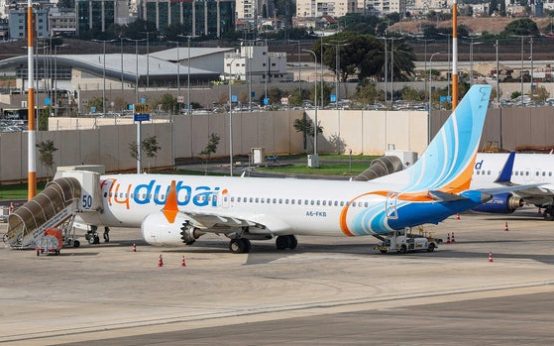 Incident on FlyDubai Flight Raises Security Concerns