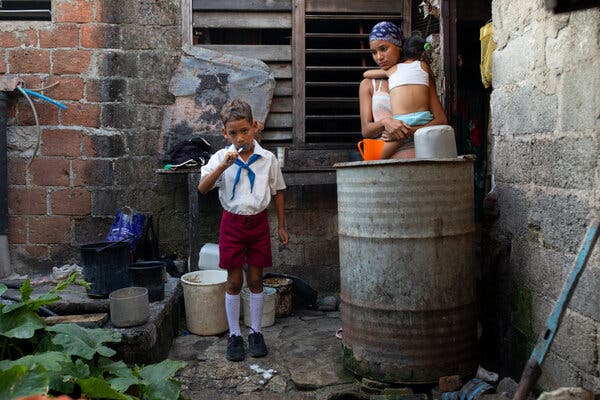
U.S. Oil Blockade Affects Cuban Schools
Cuba’s education system is facing significant disruptions due to a severe fuel shortage, a consequence of the U.S. oil blockade. The crisis has led to the early termination of the academic year in many schools across the country.
The Alfonsos, a family living in western Cuba, experience better conditions than many since their father guides them to school on horseback. This situation has become a necessity because the Soviet-era school bus they once relied on is now unreliable due to the fuel crisis.
Transportation Challenges
The blockade has resulted in fewer vehicles on the roads, causing major transportation issues. Sergio Alfonso Vásquez, a farmer and father of two children, Axisa and Aron, expresses his concern: “My children rarely attend school. They try, but the teachers often don’t make it.” This directly affects the learning and educational development of many students.
The Cuban government has responded to save energy. Schools have shifted to half-day sessions and adopted remote learning strategies reminiscent of the Covid-era for college students. However, these measures were insufficient. Eventually, the authorities ended the school year two weeks earlier than planned. They also canceled college entrance exams for high school seniors amid challenges like sleepless nights without electricity and missing school meals.
The impact of the oil blockade is profound, highlighting the importance of resolving the energy crisis to restore normalcy in education.
 British Police Arrest Man Suspected of Terror Plot
  Activists Push for Nationwide Ban on Child Marriage in the U.S.
  Investigation into Alleged Incident at Cornell University
  Troy Swanson: Award-Winning Librarian Transforming Academic Libraries
 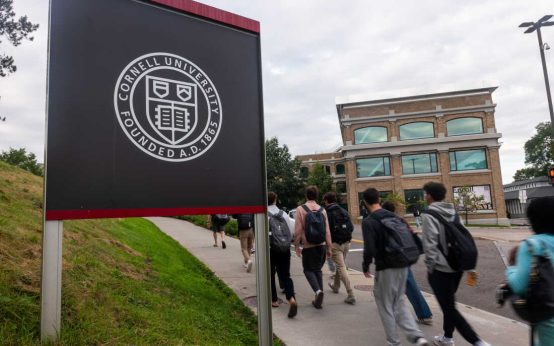 Cornell University to Investigate Handling of Alleged Assault Case
  Rising Drone Threats Highlight Vulnerabilities in Moldova’s Airspace Defense