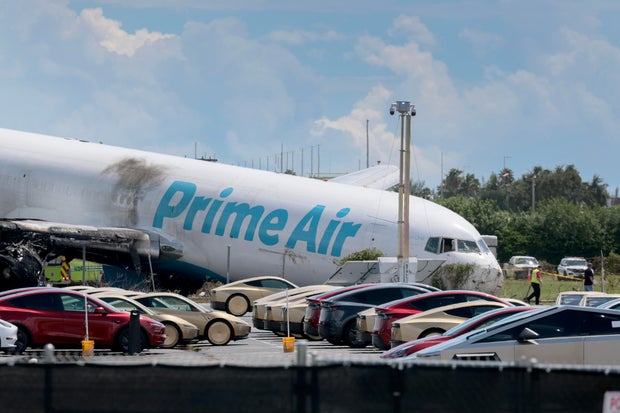
The National Transportation Safety Board (NTSB) is conducting an extensive investigation into a recent crash involving an Amazon cargo plane at Miami International Airport. The incident resulted in the tragic death of five individuals on the ground. The investigation process includes interviewing the two pilots who survived the accident.
NTSB Chair Jennifer Homendy confirmed the pilots’ release from the hospital and their scheduled interviews for providing insights into the crash. The captain, Joseph Carroll, aged 55, has 7,145 flight hours as of March, while the first officer, Jaime Felipe Silva Molina, aged 37, has accrued 2,655 flight hours by August. Both the cockpit voice recorder and flight data recorder have been recovered, furnishing valuable evidence for the investigators.
Homendy explained the cockpit voice recorder holds over two hours of high-quality audio, yet the investigators will publish data only after pilot interviews. Chihoon Shin, the lead investigator, underscored the importance of pilot accounts to supplement the recorder data, facilitating deeper insight into the situation.
Investigators aim to understand the pilots’ actions during the landing phase. Shin noted that the cockpit voice recorder data, alongside pilot interviews, would clarify certain aspects of the incident.
The NTSB intends to talk to air traffic controllers, dispatchers, and witnesses present during the crash, aiming to gather comprehensive information for analysis.
During their initial investigation days, NTSB team members prioritized collecting perishable evidence like drone imagery, video footage, and runway tire marks. The cargo plane, a Boeing 767-33, weighed approximately 252,000 pounds at takeoff, with 32,000 pounds of cargo on board—primarily contact lenses. There were no hazardous materials detected.
Preliminary data suggested the absence of speed brakes or thrust reversers during the landing attempt, mechanisms crucial for deceleration or descent. Shin expressed caution in drawing conclusions until a detailed aircraft performance analysis is completed.
Investigators are scrutinizing the flight’s history, pilot training, and the sequence of events leading to the crash. The aircraft overran the runway, impacting multiple vehicles and eventually catching fire, coming to a halt about 1,300 feet from the runway end. Aerial images revealed considerable debris, including items from the affected cars.
Miami International Airport experienced temporary runway closures following the incident, only partially reopening one runway for departures.
Pablo Rojas, an aviation lawyer not involved in the NTSB inquiry, analyzed crash footage, noting excessive speed as a potential factor during landing. Rojas highlighted possible mechanical issues visible in the video, such as inconsistent touchdown of left-side landing gear.
Questions arise about why the pilots did not execute a go-around—a maneuver where an aircraft aborts landing to attempt another approach. NTSB officials have not yet confirmed whether such an attempt occurred. The investigation continues in pursuit of clear answers regarding this tragic event.
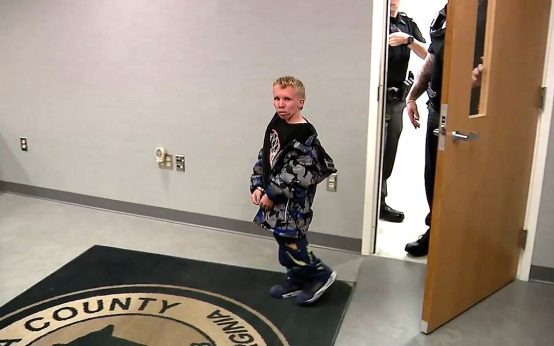 TikTok Couple Arrested for Alleged Arson in West Virginia
  21-Year-Old University of Georgia Student Survives Eight-Story Fall
  Texas Authorities Arrest Suspect Over Potential Capitol Attack
 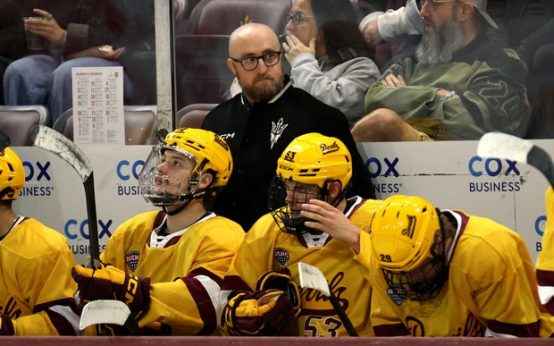 Arizona State University Hockey Incident Leads to Coach’s Administrative Leave
 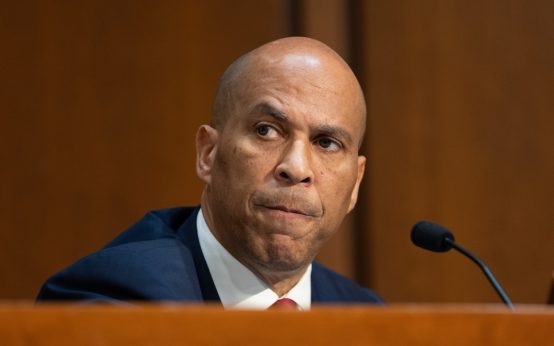 Senate Vote on Data Center Electricity Cost Legislation
  Fatal Hit-and-Run Leads to Additional Shooting Incident in Miami-Dade