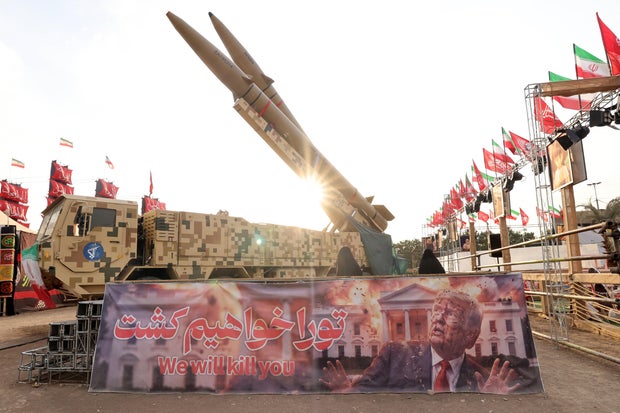
Iranians Focus on Hormuz Negotiations with Oman
Iranian officials have confirmed that their current discussions are centered around the Strait of Hormuz, but solely with Oman. Despite President Donald Trump’s claims of imminent U.S.-Iran talks, Iran’s foreign ministry has denied any direct engagement with Washington. Esmaeil Baqaei, a Foreign Ministry spokesperson, stated that the focus is on establishing a temporary maritime route through the strait, ensuring safe passage for shipping.
In recent sessions with Oman, Iran has emphasized the necessity of a designated route for vessels. Ships must navigate utilizing paths sanctioned by Tehran and offer compensation for passage. Baqaei highlighted that the situation would not revert to pre-war norms, underscoring continued strategic control over the waterway.
President Trump’s View on U.S.-Iran Relations
President Trump proclaimed potential negotiations with Iran could begin soon, suggesting a significant deal related to the Hormuz Strait and the denuclearization of Iran. He reflected on the magnitude of the halted strikes against Iran, labeling them the largest since World War II. These remarks came after consulting with Saudi Arabia’s crown prince, who expressed a preference for a diplomatic resolution.
State of the Strait of Hormuz
Iran insists the Strait of Hormuz will not return to previous conditions. The foreign ministry reiterated its engagement with Oman concerning safe maritime navigation, but dismissed ongoing discussions about reopening the strategic passage. Although clashes with the United States have fluctuated, Iran remains vigilant. The defense minister confirmed readiness against any threats.
An internal struggle within Iran’s leadership is evident, with factions divided over negotiations with the U.S. Some leaders oppose any dialogue, while others believe military leverage will improve bargaining outcomes.
U.S. Military Transparency Concerns
The Trump administration initially promised transparency regarding military actions. However, details about the ongoing Middle Eastern conflict, including the war with Iran, are scarce. Despite over 50,000 U.S. troops stationed in the region, public updates have decreased significantly.
Congress faces decisions on financial allocations, with $67 billion requested to support military operations. While diplomacy efforts continue, the demand for detailed insights into military strategies remains unmet.
 The Trump Team’s Challenge to the Military Leadership
  Maryland First State to Restrict Electronic Pricing in Grocery Stores
  British Police Arrest Man Suspected of Terror Plot
  Activists Push for Nationwide Ban on Child Marriage in the U.S.
  Democratic Hopes and Historical Warnings in 2026 Senate Race
  Republicans Face Challenges Amidst Cost of Living Concerns