
Iranian lawmakers are engaged in discussions over a bill that aims to restrict ‘foreign influence’ within the country. This legislative push comes nearly six months after the onset of hostilities involving the U.S. and Israel, with no imminent diplomatic resolutions.
The proposed bill contains specific measures targeting communication with foreign journalists. These provisions include the criminalization of any contact with reporters from international media considered antagonistic to Iran. Such actions could result in penalties of up to two years of imprisonment.
This development is observed in a broader context of heightened tensions and attempts by authorities to consolidate control over information and influence. The bill signifies a significant step in Iran’s efforts to regulate external interactions, specifically focusing on media communications. The international community may view these measures as potentially repressive, drawing criticism from advocates of press freedom.
Banners displaying images of the late Iranian supreme leader, Ayatollah Ali Khamenei, were observed in Tehran, symbolizing the leadership’s enduring influence. The public and international observers alike are watching to see how this legislation progresses and what its implications will be for media relations and foreign policy.
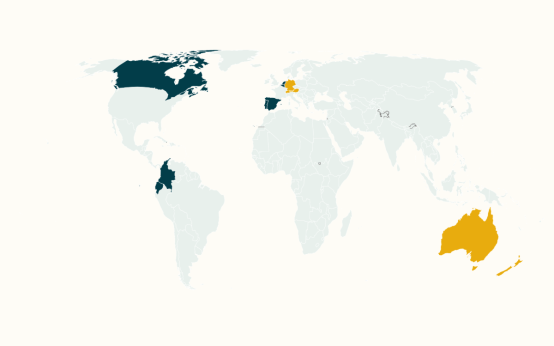 Dutch Review Board’s Euthanasia Ruling and International Debate
 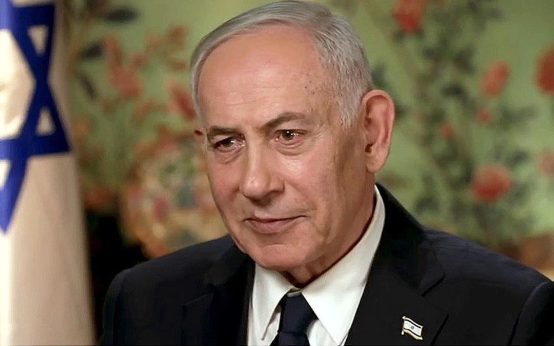 Israeli PM Commends Heroic Actions in Flight Emergency
  Rabbi and Jewish Leaders Criticize Adam Brody for ‘Genocide’ Comment
  Flydubai’s Emergency Landing Highlights Cockpit Security
 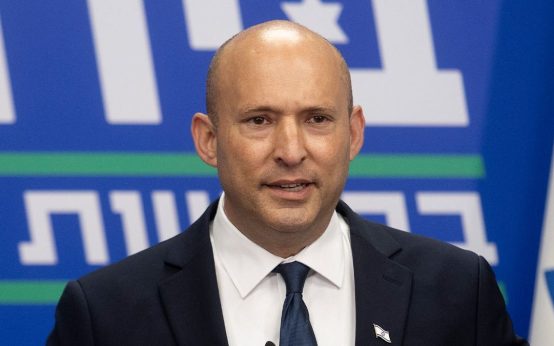 Former Israeli PM Naftali Bennett Commends Passengers and Crew for In-Flight Heroism
 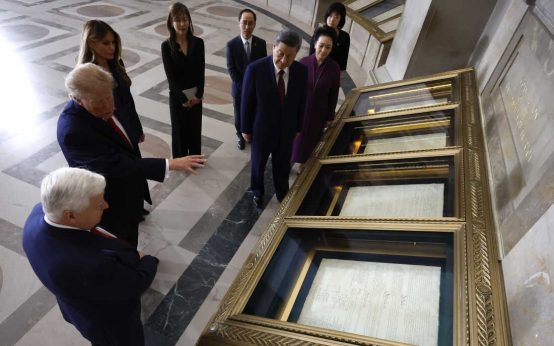 Diplomatic Complexities Unfold at U.S. National Archives Visit