A fleet of sanctioned Iranian tankers are reportedly breaching the U.S. naval blockade and transporting liquefied petroleum gas (LPG) to China via a shadowy marine hub off Malaysia. This revelation comes from United Against Nuclear Iran (UANI), which secretly filmed one of the tankers in September.
UANI’s investigation identified at least nine tankers carrying Iranian oil or LPG that have managed to evade U.S. restrictions in the Strait of Hormuz since July. Among these, the SVGL tanker allegedly transported around 500,000 barrels of Iranian LPG from an Iranian port in August, bypassing the blockade on September 1. The vessel traveled to an offshore anchorage in Malaysia, where UANI filmed it being refueled and serviced, before moving on to China to unload its cargo.
U.S. Maritime Blockade Operations
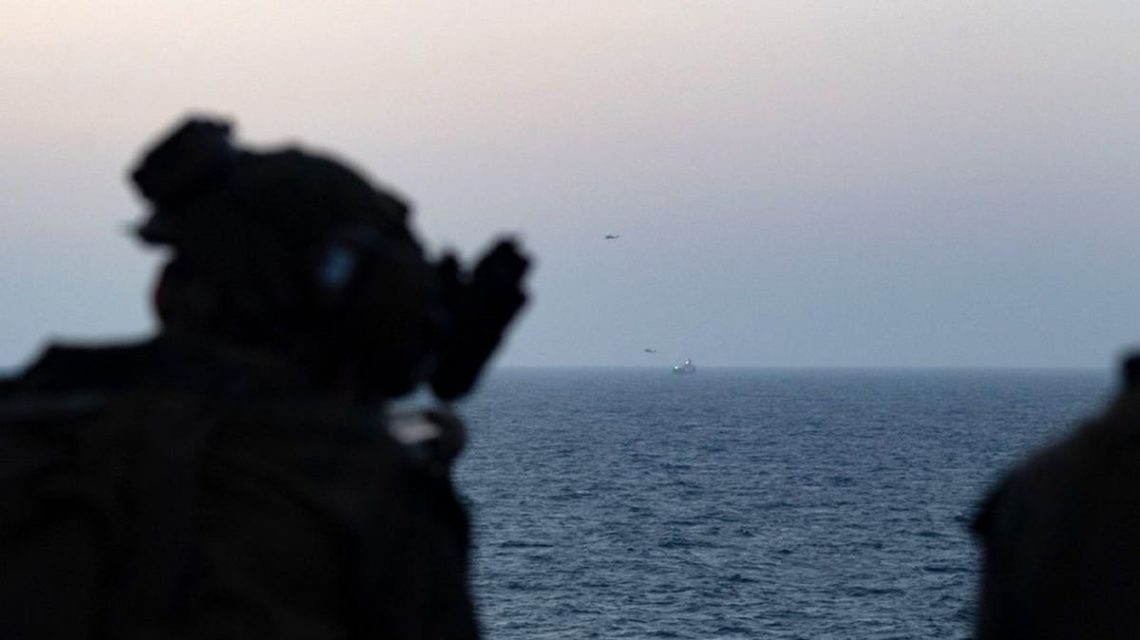
The U.S. Marines aboard the USS New Orleans (LPD 18) are actively conducting maritime blockade operations against Iran in the Arabian Sea. Jemima Shelley, a senior analyst at UANI, noted the difficulty in stopping all vessels. She clarified that only nine small tankers have successfully breached the blockade since its reintroduction in mid-July.
The Malaysian Eastern Outer Port Limits Anchorage (EOPL) plays a crucial role in this operation, serving as a staging ground for Iran’s sanctioned energy trade with China. This offshore area allows ships to refuel and transfer goods between tankers, offering a logistical advantage to Iranian exports while U.S. naval forces monitor waters closer to Iran.
UANI has been monitoring the SVGL since its approach to Malaysian waters. The organization chartered a supply vessel and traveled 100 nautical miles into the EOPL anchorage on September 16, witnessing first-hand the illegal activities of ghost fleet tankers and Iran-flagged cargo ships, including the SVGL.
Economic Pressures on Iran
The U.S. blockade was first imposed in mid-April but was temporarily lifted in mid-June before being reinstated on July 14. According to Shelley, the blockade has largely curtailed Iran’s crude oil exports, cutting off a significant revenue stream for Tehran as it faces economic strain.
Since the blockade reinstatement, no Iranian crude oil has left as a successful export. Nonetheless, opportunistic small tankers are managing to breach the blockade occasionally. The U.S. prioritizes targeting Iranian crude and large tankers, often carrying substantial amounts of oil.
Navigation Tactics
LPG is a flammable mix used for heating, cooking, transportation, and industrial purposes, and it poses a risk during transit. The U.S. aims first to turn away these vessels to enforce the blockade. Occasionally, military force is used, posing a high risk with volatile cargo like LPG.
The smaller tankers deploy tactics typical of Iran’s ghost fleet. Such methods include turning off their Automatic Identification System (AIS) transponders, which broadcast vessel identity and movements. These ships often fly false flags, making them difficult to trace, and conduct risky ship-to-ship transfers in strategic locations like the Persian Gulf and the Strait of Hormuz.
Despite the U.S. restrictions, Iranian LPG exports continue to China, largely due to China’s significant demand. Before the resurgence of U.S sanctions and OPEC pressure, China consistently made up a large percentage of liquid cargo imports from Iran. The agreement facilitates Iranian exports by providing discounted rates.
Ghost Fleet Operations
At EOPL, UANI’s footage showed the SVGL receiving services from smaller tankers while authorities seemed to overlook these activities. The anchorage not only serves ship-to-ship transfers, but ghost fleet tankers and cargo ships also receive necessary provisions like food and bunker fuel.
Interestingly, the SVGL did not conduct a ship-to-ship transfer post-UANI’s visit to EOPL. Instead, it moved into the South China Sea, ultimately unloading its Iranian LPG at China’s Xinzhou Port.
Another vessel, the G Summer, reportedly breached the blockade in April. This ship indicated it had an entirely Chinese crew onboard, with Iran as its cargo origin and Galle, Sri Lanka, as the stated destination.
UANI continues to report these activities and movements, highlighting the ongoing challenge of enforcing effective sanctions and blockades against Iranian maritime operations.
 In-Flight Altercation on Qatar Airways Leads to Police and FBI Response
 Virginia Residents Sue Over Alleged Immigration Violations
 Updates on Key International and Domestic Events
 Pope Leo XIV Completes South American Tour with Farewell Mass in Peru
 President Trump’s Critical Asia Trip: Key Meetings and Implications
 U.S. Plans to Restrict AI Chip Exports Before Trump-Xi Meeting