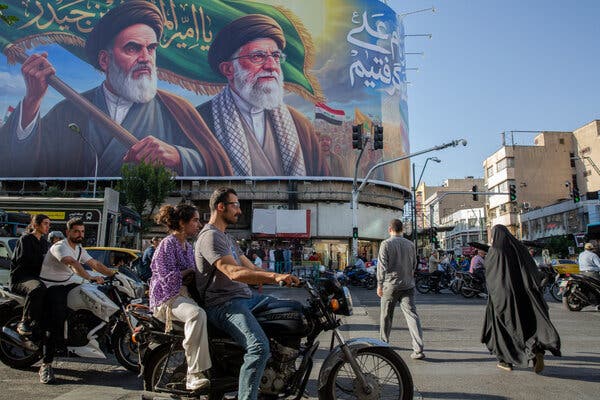
Despite military setbacks during the conflict, Iran’s leaders are framing the situation as a triumph ahead of talks with Washington.
After reaching a preliminary agreement with the United States to pause the hostilities, Iranian political and military leaders from various factions declared the deal as evidence of Tehran’s stamina against a stronger adversary.
Even though Iran lost several influential political and military figures, endured significant losses to its ballistic missile capabilities, and faced an intensified economic strain from a naval blockade, the narrative of victory prevails among its leaders.
“Iran has taken a major step toward final victory,”
stated Mohammad Bagher Ghalibaf, the speaker of the Iranian Parliament, underscoring Iran’s achievement in negotiating the deal.
Sadegh Amoli Larijani, chairman of a significant governmental council, highlighted on social media that Iranians displayed a “renewed spirit of resistance” and thwarted U.S.-Israeli attempts to topple the Islamic republic.
The proclamations seem intended to portray unity both internationally and domestically, especially against a vocal hard-line group opposing the agreement. These statements also reflect the current viewpoint of Iran’s leadership, suggesting that the deal’s terms will not meet the expectations set by President Trump at the war’s outset—namely “total and complete victory” for the United States and an “unconditional surrender” by Iran.
 British Police Arrest Man Suspected of Terror Plot
 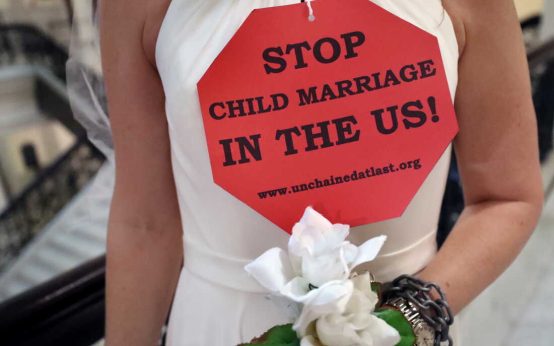 Activists Push for Nationwide Ban on Child Marriage in the U.S.
  Investigation into Alleged Incident at Cornell University
  Rising Drone Threats Highlight Vulnerabilities in Moldova’s Airspace Defense
 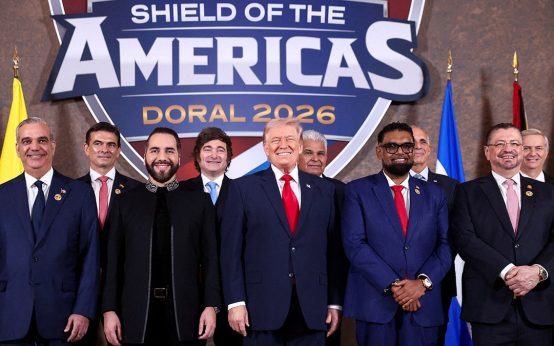 Bolivia Faces Security Test Amid Unrest
 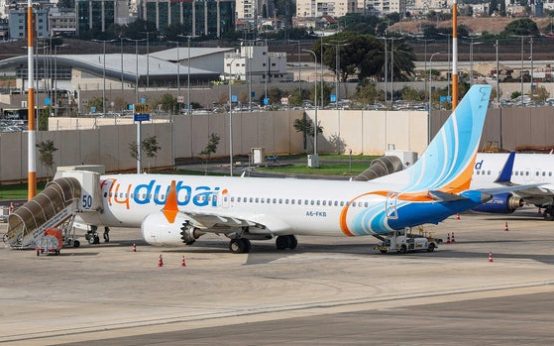 Incident on FlyDubai Flight Raises Security Concerns