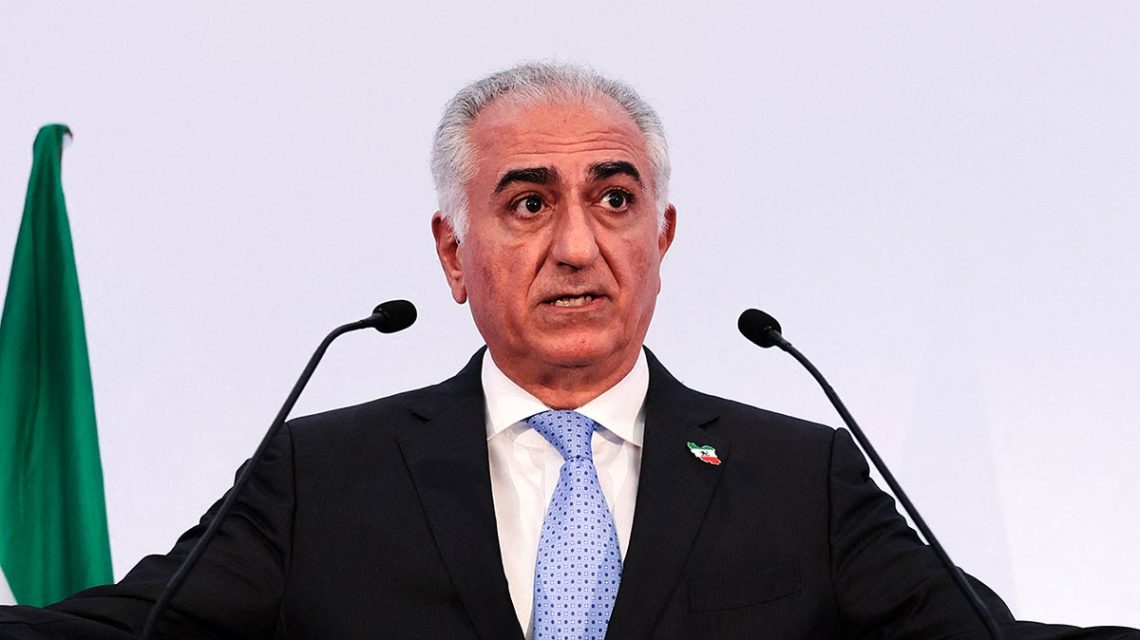
Current Political Dynamics in Iran
Six months into the conflict, the primary question surrounding Iran’s leadership involves its governance rather than its military capabilities. The focus shifts from the missile arsenal and threats from the Islamic Revolutionary Guard Corps (IRGC) to who truly governs Iran: Mojtaba Khamenei, with his obscure leadership status; Masoud Pezeshkian, with a presidency that lacks sovereign power; or the IRGC, which has grown into a powerful state entity.
A Militarized Dictatorship
Iran now resembles a militarized dictatorship where the clerics provide ideological support for military rulers. Originally, the Islamic Republic or Caliphate of Mullahs emerged in 1979, promising salvation but enacting coercion. Khomeinism transformed political Islam into state power, involving terrorism, proxy warfare, and revolutionary expansion which shaped foreign policy. Tehran spent decades developing terrorist networks abroad while suppressing political life domestically.
Economic Pressure and Regime Survival
The regime, once focused on exporting its revolution, now seeks survival. War facilitates this need, turning dissent into treason, criticism into collaboration, and repression into patriotism. Washington should discern that Iran’s regime isn’t synonymous with the Islamic Republic.
Economic factors exacerbate political tensions. Operation Economic Outcast aims to cut financial support to the regime and IRGC. This economic deterioration is rooted in corruption, ideological adventurism, and diversion of resources toward repression and militancy.
Potential for Regime Collapse
Economic pressure may expedite the regime’s downfall. The core crisis lies in the widening gap between an evolving modern society and a ruling establishment stuck in past obsessions. Another uprising might occur as grievances accumulate, legitimacy erodes, and repression fails to erase dissent.
Transition to Democracy
The transition from dictatorship to democracy involves dangerous terrain. Iranians should choose their political future, not external entities like Washington, Moscow, or Beijing. Crown Prince Reza Pahlavi, advocating secular government and democratic transition, holds a unique position. Regime change should empower Iranian choice, not merely dismantle the old order.
Post-collapse scenarios might see competing ideologies like Islamism and Marxism vying for influence. Effective democracy demands citizenship over ideology and national solidarity over factionalism.
International Diplomacy and Regional Challenges
Washington’s diplomacy needs careful scrutiny; success has fluctuated between confrontation and negotiations. While diplomacy can prevent war, it shouldn’t transform tactical bargains into perceived strategic shifts. Tehran often retaliates asymmetrically while negotiating diplomatically.
An effective regional strategy requires understanding Iran itself. Policymakers should differentiate between democratic Iranian nationalism and other ideological movements. Iran’s territorial integrity and credible democratic actors merit recognition before transition.
The Role of China
China, with its interests in Middle Eastern energy routes, avoids challenging Tehran while promoting stability. Its policy of managing symptoms without addressing underlying causes limits its effectiveness in fostering genuine change.
The intertwined crises relating to Hormuz, the Houthis, and Tehran’s proxy networks are consequences of the 1979 revolution, where ideology became a tool for domestic and foreign governance. Addressing these interconnected issues calls for strategic solutions, not merely conflict resolution.
Future Prospects
The key question after the ongoing conflict is what follows. Iran’s future belongs to its people, yet statecraft should consider Iran beyond its current regime. For decades, global policies presumed the regime’s endurance while overshadowing a nation seeking political autonomy. American strategy should evolve to anticipate Iran’s next historical shift.
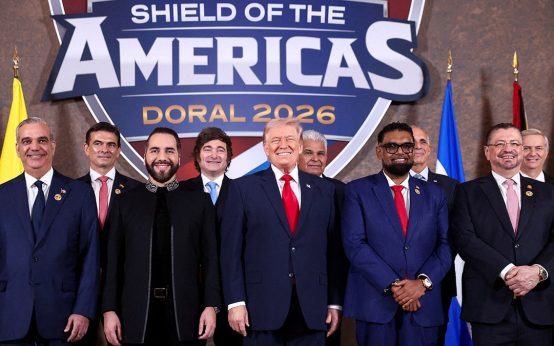 Bolivia Faces Security Test Amid Unrest
 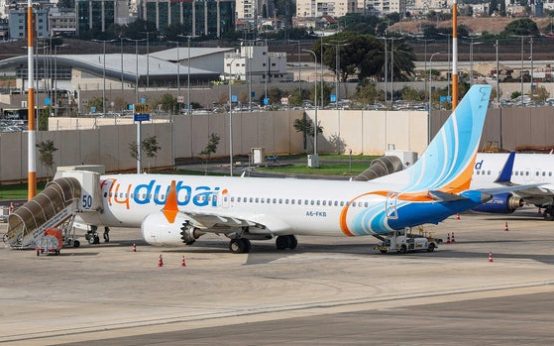 Incident on FlyDubai Flight Raises Security Concerns
 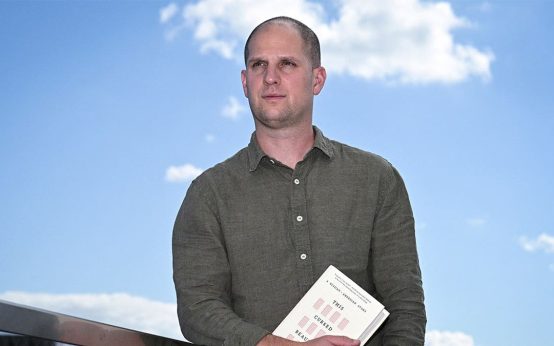 Journalist Gershkovich Discusses Wrongful Detention and Release in Russian Prisoner Swap
 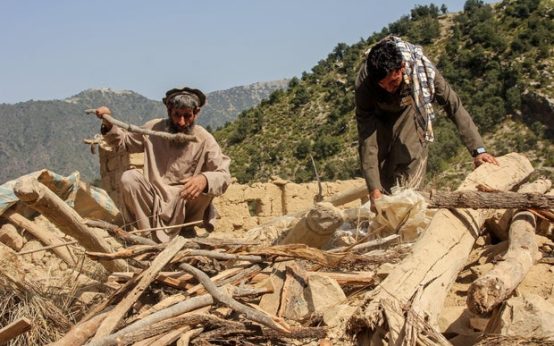 Pakistan Airstrikes in Afghanistan: Civilian Casualties Reported
 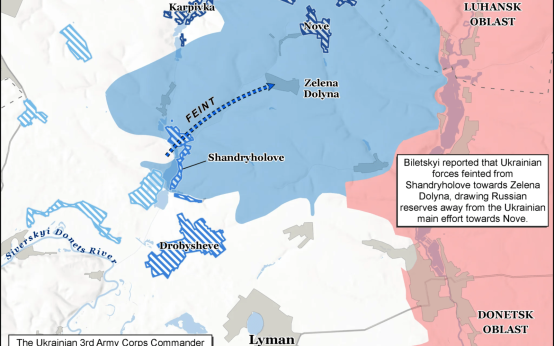 Ukraine Converts APCs to Explosive Devices in Donetsk Offensive
 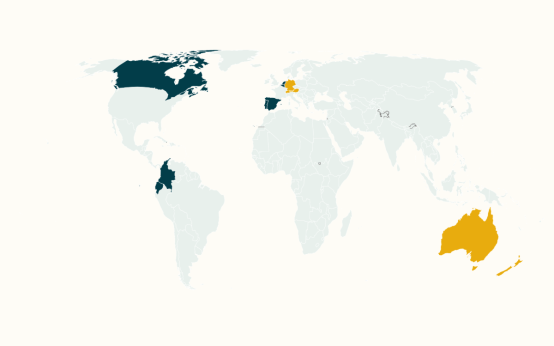 Dutch Review Board’s Euthanasia Ruling and International Debate