
Tension around the Strait of Hormuz and Iran’s nuclear ambitions reached a peak last week. President Trump threatened a major operation against Iran, describing it as potentially the biggest attack since World War II. He indicated it was Tehran’s last opportunity to negotiate, warning of severe consequences if they did not comply. Despite these threats, Iran’s leadership appeared unfazed.
The Iranian government continues to exert control over the Strait and respond to U.S. pressures on its own terms. Recently, Iran’s Supreme National Security Council outlined conditions for reopening the Strait. These included demands for ending aggression against Iran and its allies, lifting military forces around Iran, compensating for conflicts, removing sanctions, and releasing frozen Iranian assets.
Iranian Major General Ahmad Vahidi reiterated the country’s commitment to its nuclear program, tying it to the U.S. and Israel’s possession of nuclear weapons. This statement presents a significant challenge for President Trump, who has yet to provide a concrete response.
Meanwhile, President Trump’s comments on Truth Social called for compensation from Iran for harms caused by various conflicts. However, such statements are unlikely to sway Iranian leadership. Notably, a meeting between Adm. Brad Cooper and Israeli officials raised questions about possible military contingencies.
Despite earlier aggressive rhetoric, Trump has suggested a more passive approach, hinting at relying on economic pressure rather than military action. This strategy contrasts with Iran’s insistence that they are not directly engaging, merely communicating through intermediaries.
Discussion by retired U.S. Army General Jack Keane highlighted the strategic significance of the Strait for Iran. Keane believes Iran aims to apply pressure by controlling the Strait while anticipating changes due to upcoming U.S. elections.
The current regime in Iran remains firm. Analysis indicates its leadership prioritize their hold on power over economic difficulties or foreign pressures. The U.S. administration’s efforts to address Iran’s economy or military prowess have not achieved desired impacts.
Col. Jonathan Sweet and Mark Toth, intelligence and national security commentators, argue that regime change may resolve several issues, including Iran’s nuclear ambitions, support to proxy groups, and regional threats. They emphasize that negotiations with the current regime are unlikely to succeed.
The strategic control Iran maintains over the Strait of Hormuz remains a focal point in Middle Eastern geopolitics. The U.S. and its allies grapple with how to address this challenge effectively.
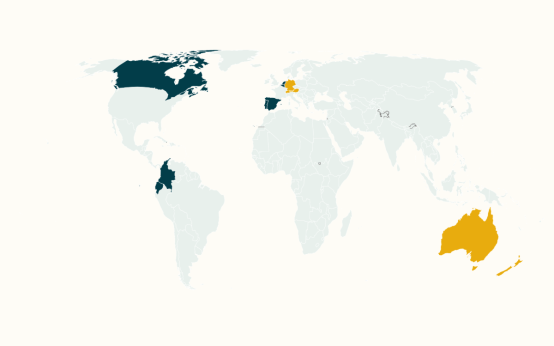 Dutch Review Board’s Euthanasia Ruling and International Debate
 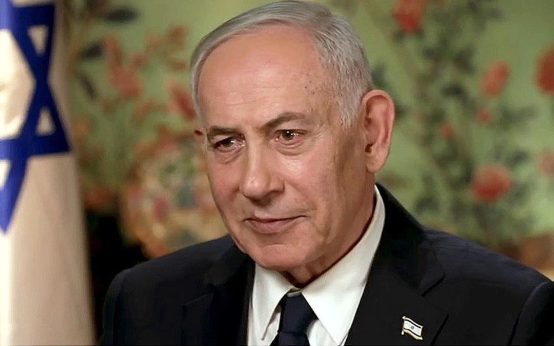 Israeli PM Commends Heroic Actions in Flight Emergency
  Rabbi and Jewish Leaders Criticize Adam Brody for ‘Genocide’ Comment
  Flydubai’s Emergency Landing Highlights Cockpit Security
 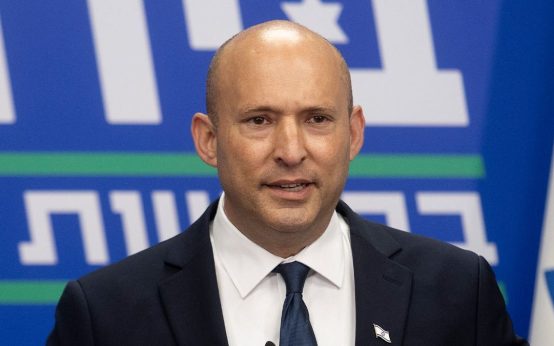 Former Israeli PM Naftali Bennett Commends Passengers and Crew for In-Flight Heroism
 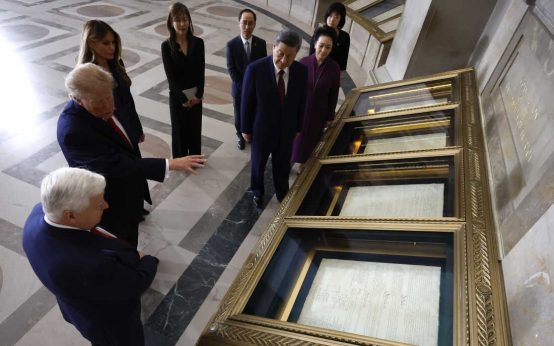 Diplomatic Complexities Unfold at U.S. National Archives Visit