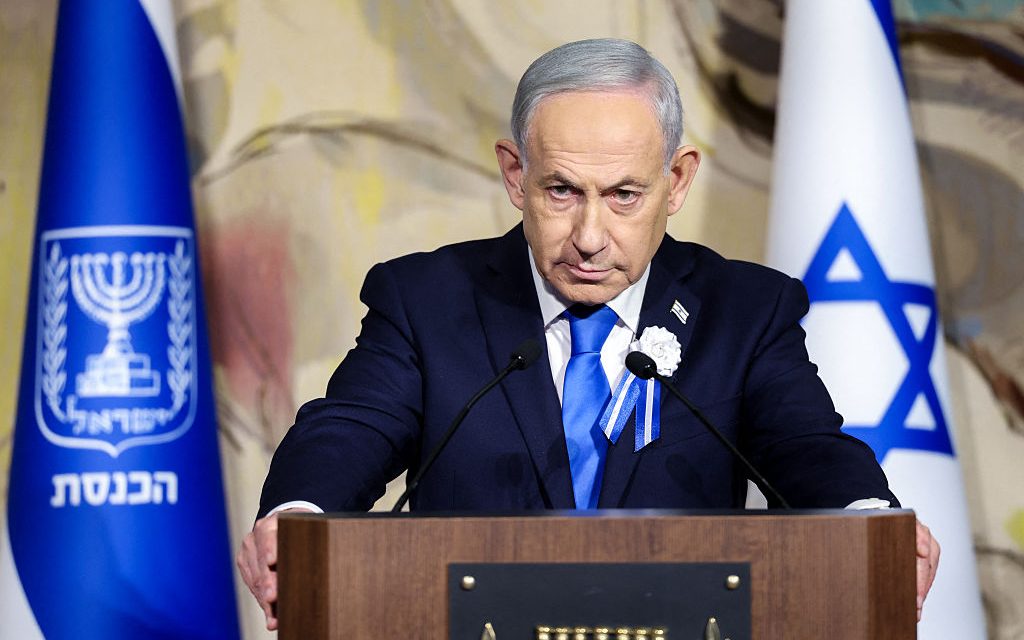
Israeli President Isaac Herzog has tasked Gadi Eisenkot, former military leader and center-right Yashar party head, with forming Israel’s next government. Eisenkot faces the challenge of building a coalition to replace Benjamin Netanyahu, who remains in power during this process.
Timeline and Procedure
Eisenkot has until December 6, with a possible two-week extension, to gather support from at least 61 of the 120 Knesset members. If successful, Knesset must meet within seven days for a confidence vote. If his government gains approval, it will take office.
Building a coalition involves negotiating with diverse parties to secure a majority. Support from these parties signals endorsement of Eisenkot for Prime Minister. However, achieving a coalition faces several hurdles.
Election Results
Israel’s recent election left no bloc with a 61-seat majority in the Knesset. The elections, held every four years, require physical presence on voting day. The process allotted seats based on party votes rather than individual candidates, resulting in Netanyahu’s Likud party and allied groups winning 53 seats. Eisenkot’s bloc secured 48 seats, and Arab-led parties took 19 seats.
The Presidential Choice
While Herzog typically appoints the leader of the largest party, he chose Eisenkot due to broad endorsement from 67 Knesset members. This selection acknowledges Eisenkot’s potential for coalition-building, despite Netanyahu’s party having the most individual votes.
Challenges for Eisenkot
Forming a government requires Eisenkot to navigate complex political terrain. Potential alliances with Arab-led parties face resistance from some allied parties, complicating coalition-building. The Joint List and Ra’am might support Eisenkot externally, maintaining independence from the coalition.
Inviting ultra-Orthodox parties, which resist compulsory military service, poses another challenge. Eisenkot’s demands include national service for all, creating a friction point with these parties.
Future Prospects for Netanyahu
Netanyahu remains interim leader as Eisenkot assembles a coalition. Failing to form one, Herzog might appoint another candidate or declare no feasible path, leading to new elections within 90 days. This situation echoes previous deadlocks from 2019-2022, marked by multiple elections.
Netanyahu’s efforts to form a government involve swaying current Eisenkot supporters. Previous collaborations with right-leaning members, such as Bennett and Lieberman, showcase potential allies if Netanyahu convinces them to ally with him over other parties.
The coming weeks are pivotal, as negotiations among leaders like Bennett and Lieberman may determine Israel’s next government. Their decision hinges on compromises they are willing to make regarding leadership and coalition compositions.
 In-Flight Altercation on Qatar Airways Leads to Police and FBI Response
 Virginia Residents Sue Over Alleged Immigration Violations
 Updates on Key International and Domestic Events
 Pope Leo XIV Completes South American Tour with Farewell Mass in Peru
 President Trump’s Critical Asia Trip: Key Meetings and Implications
 U.S. Plans to Restrict AI Chip Exports Before Trump-Xi Meeting