
Former FBI Director James Comey has filed new motions to dismiss federal charges related to an alleged threat against President Trump. The charges stem from a social media post with seashells arranged to display “86 47.” This is claimed to be seen as a threat, as “86” typically implies “get rid of,” and Mr. Trump is the 47th president.
Comey’s defense team cites vindictive and selective prosecution, arguing the indictment is a response to his criticism of Mr. Trump. They present a 76-page spreadsheet detailing the insults exchanged between Comey and Trump over the years. The motions from Comey’s lawyers also urge the court to suppress evidence from warrants on Comey’s accounts and demand the disclosure of the grand jury proceedings that led to his indictment.
Comey further accuses the Secret Service of unwarranted electronic surveillance. Legal documents show discussions of tracking Comey’s phone location and requests to Verizon for emergency location data. An unnamed Secret Service official noted that there was no immediate threat to someone’s life, deeming phone tracking legally questionable.
Patrick Fitzgerald, Comey’s attorney, provided details about the surveillance operation and other government actions targeting Comey. His team is calling for a Franks hearing to examine if the government misled a magistrate judge in obtaining search warrants related to Comey’s digital accounts and those of his wife.
Comey’s legal filings challenge the credibility of a witness cited in the warrant applications. This witness, once close to Comey, admitted to having not spoken to him for at least two years and showed bias against him. The witness initially viewed the “86 47” post as restaurant slang until influenced by Rudy Giuliani’s podcast.
In September 2025, the FBI searched its case database for references to “86” in cases linked to Comey but found inconclusive results. They also reviewed the case involving mob boss John Gambino, prosecuted by Comey in the 1990s, with no relevant references found. An interview with Salvatore “Sammy the Bull” Gravano, a former Gambino associate, revealed that while “86” could imply “to kill,” it would not have been mentioned by Comey.
Comey’s motions follow his recent request to dismiss the indictment on First Amendment grounds, arguing that the “86 47” post was not a true threat. Previously, Comey faced charges of lying to Congress, which were dismissed due to the unconstitutional appointment of the prosecutor involved.
Comey’s arraignment on the new charges is set for September 30 in New Bern, North Carolina. The charges arise amid a longstanding feud with President Trump. Since Trump dismissed him in 2017, Comey has been vocal about his disapproval of Trump’s presidency, while Trump has criticized Comey publicly.
After posting the seashell image on Instagram, Comey clarified that his intention was not to threaten. He stated that the arrangement was a political message he stumbled upon and opposed any form of violence. The post was removed following controversy, while the Secret Service began an investigation into the matter.
For indictment dismissal on selective prosecution, a defendant must prove discriminatory reasons for charges and that others in similar situations haven’t faced prosecution. Vindictive prosecution claims require showing that legal action was pursued from animus or punishment for exercising a legal right. Courts typically scrutinize such claims thoroughly.
Comey’s legal team argues the vast online sale of “86 47” or “86 46” merchandise targeting former President Joe Biden remains unchallenged by authorities, indicating selective prosecution. They also noted Trump’s previous calls for retaliatory measures against Comey. According to them, the Justice Department pressed charges against Comey for political gain after the dismissal of earlier charges related to Congress.
Emails reveal that during Comey’s interview with the Secret Service, interest from officials traveling with Trump was significant. Acting Attorney General Todd Blanche denied political motivations, citing local prosecutors in North Carolina as the case’s advocates. When asked whether Trump directed the indictment, Blanche firmly denied it, warning against downplaying threats to the president.
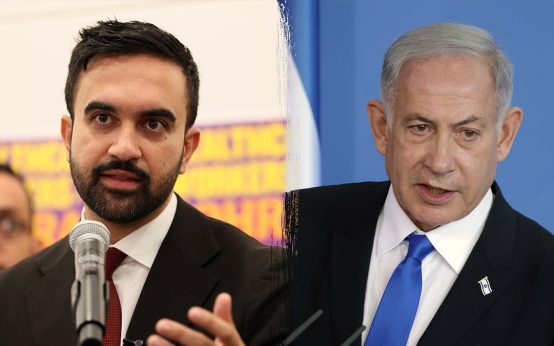 Mayor Mamdani Responds to Netanyahu’s United Nations Speech
 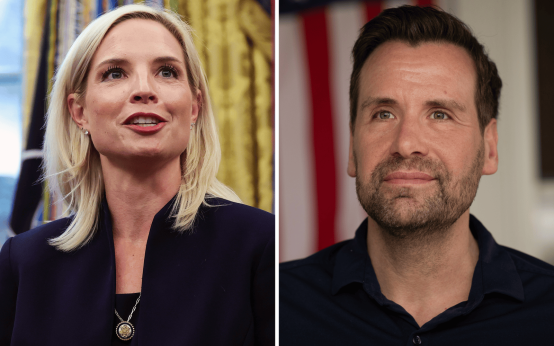 Iowa Senate Race: Attendance Records in Focus as Hinson and Turek Square Off
 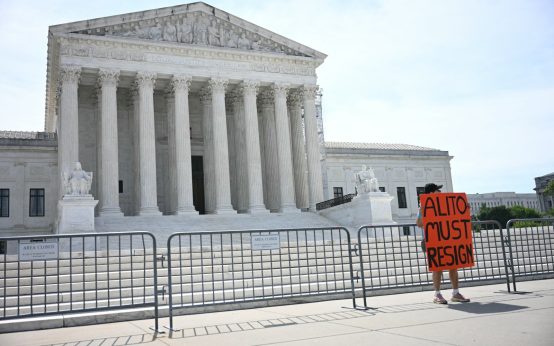 Justice Alito Discusses Supreme Court Decisions and Criticism
  Investigation Reopened in Allegations Against Education Board Candidate Hilario Dominguez
  Court Dismisses Case Against Noncitizen in Voting Charge
  Spending Trends in the Most Expensive Election Cycle