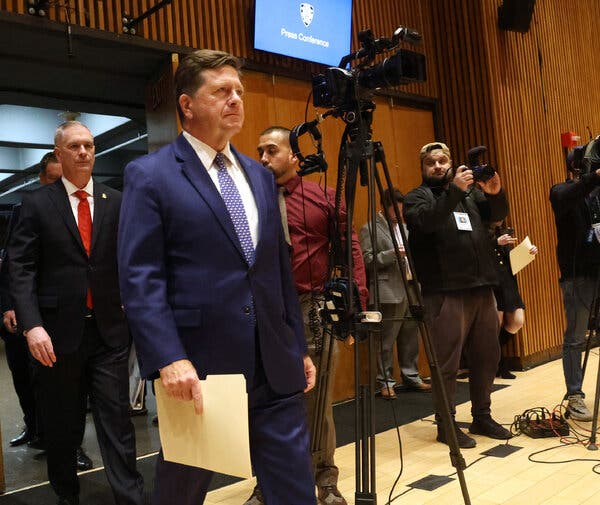
Jay Clayton will be the next director of national intelligence, as chosen by President Trump. Clayton has served as the U.S. attorney in Manhattan for the past 14 months and was Wall Street’s top enforcer during Trump’s first term.
Background of Jay Clayton
Before becoming U.S. attorney, Clayton alternated between private law practice and government roles. He worked as a partner at Sullivan & Cromwell, a law firm in New York, when appointed to the U.S. attorney position. As chairman of the Securities and Exchange Commission, he pursued a generally pro-business approach. His office was one of the first to initiate enforcement actions involving crypto assets. Notably, actions were brought against Elon Musk concerning his use of what was then known as Twitter, later purchased and renamed as X by Musk.
Key Cases Under Clayton’s Tenure
The Manhattan U.S. attorney’s office is recognized for handling cases with international reach and national security implications. Under Clayton, the office is prosecuting Nicolás Maduro, the former Venezuelan president, who was captured in January and brought to Manhattan. He faces charges including a cocaine importation conspiracy, though he has pleaded not guilty.
Recently, charges were announced against an Iran-backed militia commander for plotting to attack Jewish sites in the U.S., including a New York City synagogue. These charges also relate to attacks in Europe as part of Iran’s campaign against the U.S. and Israel following the onset of war in February.
Additionally, the office is managing the federal case against Luigi Mangione, accused of assassinating UnitedHealthcare’s CEO in 2024. Clayton has recused himself from the Mangione case, which his deputy is overseeing.
 Democratic Hopes and Historical Warnings in 2026 Senate Race
  Republicans Face Challenges Amidst Cost of Living Concerns
 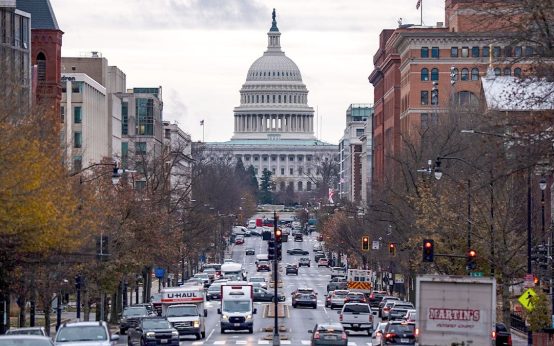 A Different Kind of Fall for Congress This Year
  Cornel West and Sean Hannity Discuss Differences on Podcast
  Trump Unveils AI-Powered America.gov Platform
 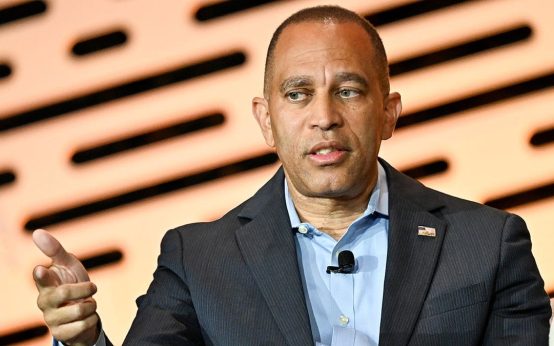 Upcoming Congressional Elections: Key Districts to Watch