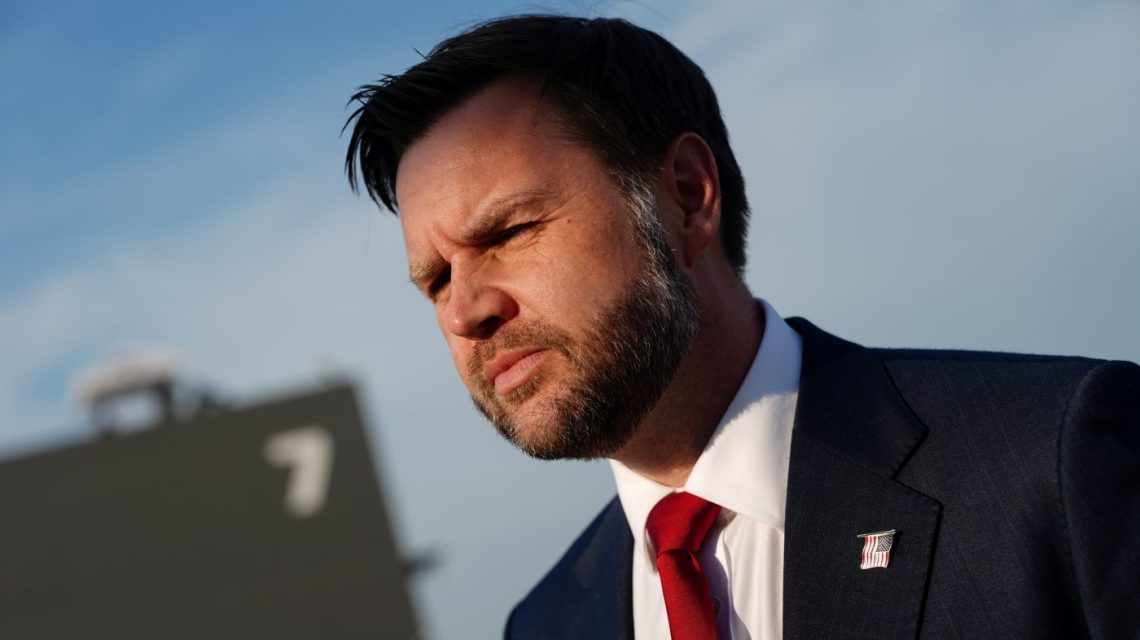
JD Vance, known for his bestselling book “Hillbilly Elegy,” is reevaluating his economic stance as Vice President. In the past, Vance supported free enterprise and personal responsibility as means to uplift impoverished communities in Ohio. He praised Japanese investment as a lifeline for his hometown. However, recent appearances suggest Vance is now advocating for Hamiltonian economics, asserting that the economy should prioritize human dignity.
On “The Michael Knowles Show,” Vance discussed interventionist policies designed to promote family formation, living wages, leisure, faith, and community involvement. While these aims sound beneficial, critics argue they don’t effectively enhance the dignity or stability of ordinary Americans.
Vance maintains that Milton Friedman’s laissez-faire economics was suitable during times when the U.S. had a strong Christian culture providing moral guidance. With the rise of globalized liberalism, those policies appear less relevant. This sentiment aligns with the New Right view, notably expressed by Patrick Deneen in “Why Liberalism Failed,” which advocates for federal intervention to support families and communities against progressive norms and globalization.
Vance’s economic stance mirrors Deneen’s “postliberal right” ideas and embraces New Right economics at the White House. However, the decline in family structures began before NAFTA or China’s WTO entry. Economic populism alone cannot remedy decades of societal shifts initiated by legal changes like no-fault divorce laws and diminished customs such as the “shotgun marriage.”
Even recent positive economic shocks, such as fracking booms, have not reversed issues in family life. Better financial circumstances don’t automatically restore norms encouraging marriage and stable two-parent households.
Vance’s economic agenda, like the Trump administration’s tariffs, falls short of delivering prosperity. The Liberation Day tariffs haven’t sparked a manufacturing resurgence; instead, they led to fewer manufacturing jobs. The Joint Economic Committee forecasts that by 2026, the average American family will face over $2,500 in tariff-related costs, a 43% increase from the previous year.
While some industries benefit from tariffs, many ordinary people incur the costs. Large industries without tariff advantages often lobby for exemptions, which sectors like auto and pharmaceuticals have successfully obtained after Liberation Day.
Despite Vance’s intentions, giving the federal government, particularly the executive branch, significant power to use tariffs and subsidies doesn’t promote personal dignity or societal betterment. It can hinder families’ abilities to thrive and communities’ capacities to flourish.
Conservatives lament the eroding family values and community spirit, but solutions don’t lie in tariff schedules or government agencies. Renewing human dignity and culture will come through empowering Americans to innovate, compete, and succeed in a free economy and civil society — without bureaucratic obstacles.
If JD Vance represents future American conservatism, revisiting his “Hillbilly Elegy” insights might benefit him and his supporters. Understanding the complexities of economic and social challenges is crucial for developing effective policies.
 The Trump Team’s Challenge to the Military Leadership
  Maryland First State to Restrict Electronic Pricing in Grocery Stores
  Activists Push for Nationwide Ban on Child Marriage in the U.S.
  Democratic Hopes and Historical Warnings in 2026 Senate Race
  Republicans Face Challenges Amidst Cost of Living Concerns
  A Different Kind of Fall for Congress This Year