Washington — A federal judge imposed professional penalties on lawyers representing President Trump in a civil lawsuit against the IRS. The lawsuit was criticized for being initiated with improper purposes.
Judge Imposes Penalties
U.S. District Judge Kathleen Williams delivered a scathing 56-page decision, penalizing lawyers involved in the case. Alejandro Brito, one of Trump’s lawyers, was referred to the Florida Bar for potential disciplinary measures. Daniel Epstein, another lawyer, faced restrictions on practicing in the Southern District of Florida.
The case, brought by Trump against the IRS and the Justice Department, was dismissed as lacking any viable legal or factual basis. Williams barred the parties from referencing a settlement deal in any legal proceedings.
“The facts before this Court demonstrate there was never adverseness between the Parties,” Williams stated.
Concerns from Former Judges
A group of 35 former judges expressed concern over the settlement reached in May, following a $10 billion lawsuit filed by Trump and his sons over the leak of his tax returns. The agreement included a $1.776 billion “anti-weaponization” fund. Congress and a federal judge strongly opposed this, leading the Justice Department to abandon the fund.
Williams highlighted that Trump’s lawsuit was filed without genuine opposition, as his former lawyer represented the government in negotiations. This observation raised questions about the objectivity of government negotiations.
Legal and Ethical Implications
Williams accused the Justice Department of failing in its duty to defend U.S. interests. She criticized the settlement for conferring unjustified benefits to Trump and his associates and misusing taxpayer resources.
The judge noted the involvement of Trump’s legal representatives, including his former White House Counsel, in the suspect agreement.
“The conduct of the Parties and counsel from its filing make plain that this was an attempt to use the Court to provide some legitimacy to an agreement,” Williams wrote.
The case was not “ordinary,” as described by Trump and his attorneys. Williams pointed out that public servants involved were expected to uphold ethical and legal norms.
Senate Judiciary Committee
This decision comes just before acting Attorney General Todd Blanche’s confirmation hearing. Blanche, who was Trump’s private defense attorney, faces critical scrutiny regarding the creation of the “anti-weaponization” fund.
The judge’s order questioned the legitimacy of the settlement and its impact on public funds, emphasizing ethical accountability for those in public service roles.
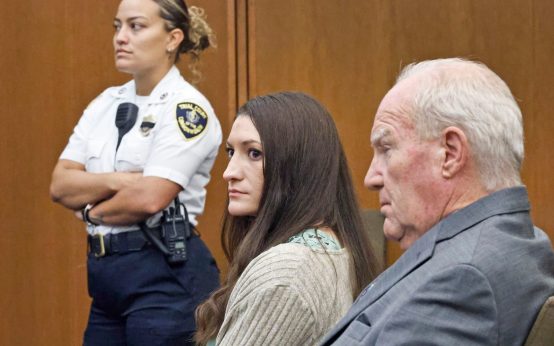 Lindsay Clancy Faces Potential Retrial After Mistrial
 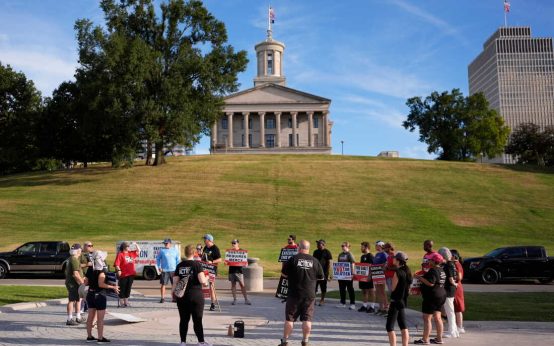 Tennessee Prepares for Rare Execution of Woman on Death Row
  Mistrial in Lindsay Clancy Case: Juror Speaks Out
 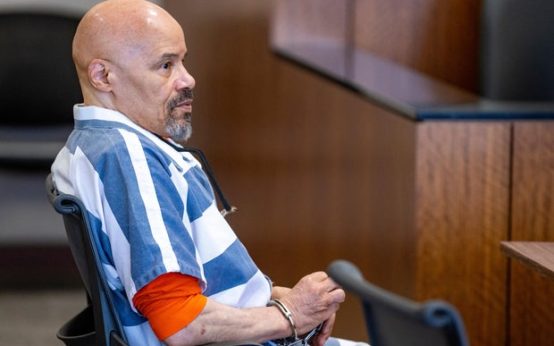 Utah Judge Orders Release of Man on Death Row After DNA Evidence Emerges
  Kurt Olsen Resigns from the Justice Department Amid Investigation
  New Developments in Cornell University Fraternity House Assault Case