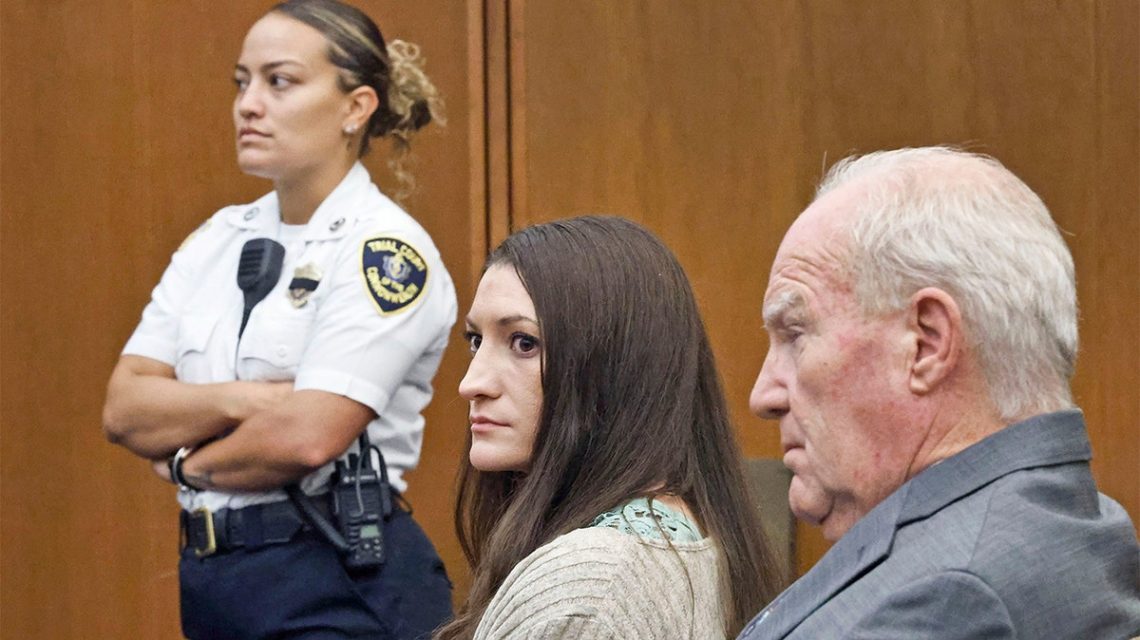
For the first time, three jurors from the Lindsay Clancy murder trial have spoken publicly following the declaration of a mistrial. A singular dissenting jury member hindered the panel from reaching a unanimous decision. The foreperson and two other jurors shared their insights with NBC10 Boston about the deliberations and the lone holdout’s impact on the trial’s outcome.
The case involved Lindsay Clancy, a Massachusetts mother charged with killing her three children in January 2023. Although Clancy admitted to the killings, she pleaded not guilty by reason of insanity due to significant mental health issues at the time. Prosecutors, however, argued she should be held criminally accountable.
Lindsay Clancy’s mental state at the time of the alleged crime was the crux of the defense’s argument, contrasting with prosecution claims of her responsibility.
During the trial in Plymouth, Mass., under Judge Sullivan, one juror expressed reasonable doubt but refused to declare Clancy not guilty based on insanity. The foreperson recounted her initial optimism, saying, “He admitted he had reasonable doubt and I started filling out the forms, I was so excited.” However, the same juror then added reluctance to deem Clancy not guilty by insanity.
The foreperson raised these concerns with a note to the judge, documenting a juror’s hesitance despite reasonable doubts. Frustration grew among the panel members as the holdout ignored the perspectives of his peers.
Efforts by NBC10 Boston to contact the identified dissenting juror were unsuccessful. Simultaneously, Clancy’s attorney, Kevin Reddington, suggested openness to negotiations as hopes for reevaluation of the case emerged.
Authorities declared a mistrial after jurors affirmed their inability to agree, leaving the case’s future uncertain regarding a potential retrial. The unresolved proceedings reflect the complex nature of such high-stakes criminal cases.