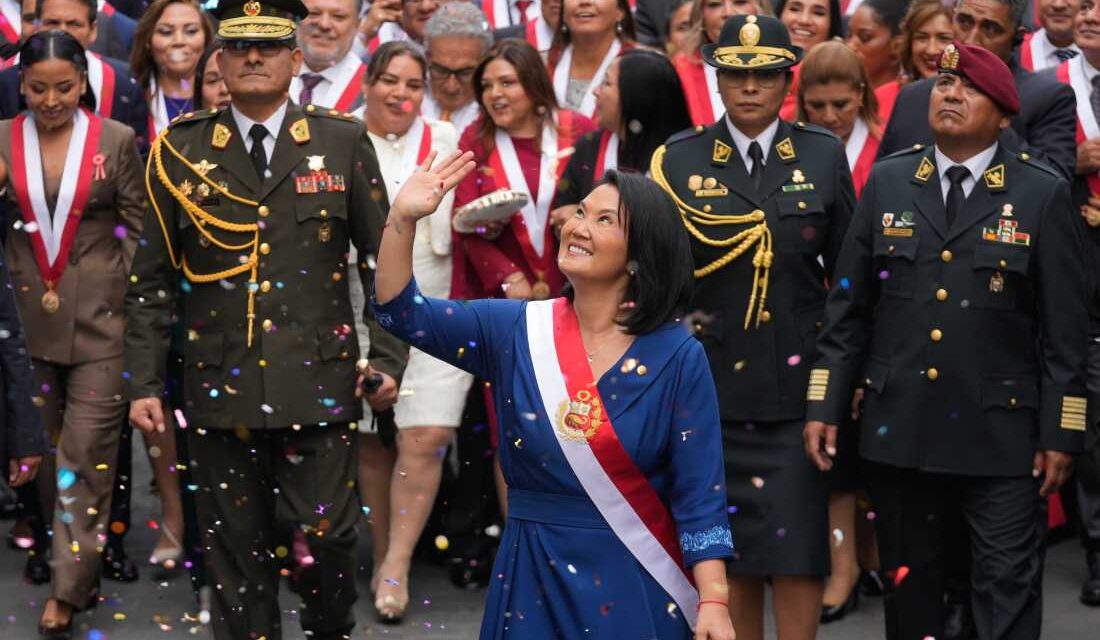
Keiko Fujimori has been sworn in as the President of Peru after winning the June presidential runoff by a narrow margin of less than 50,000 votes. Her victory marks a shift towards conservatism in South America. The ceremony saw Fujimori, a four-time presidential candidate and leader of Peru’s largest political party, assume office as the country’s ninth president in ten years.
Fujimori seeks to stabilize Peru’s political scene, tackle crime, and stimulate economic growth. In the past decade, only three Peruvian presidents have been elected by popular vote. The others assumed office following the resignation or removal of their predecessors amid corruption scandals. With Fujimori’s Popular Force party and its ally, Popular Renovation, holding half the senate seats in the new legislature, her position as president is more secure against potential removal by opposing legislators.
An Incoming President with a Political Past
Keiko Fujimori’s campaign focused heavily on improving national security. She aims to address the issue of extortion rackets, which have become a major concern. Fujimori also plans to enhance infrastructure by facilitating partnerships between government agencies and private investors. Her policies draw comparisons to those of her father, former President Alberto Fujimori, who was both praised for stabilizing the economy and criticized for human rights abuses.
During her campaign, Fujimori promised to combat crime with rigorous policies inspired by El Salvador’s President Nayib Bukele. She proposed constructing a large-scale prison similar to El Salvador’s Cecot penitentiary. Fujimori also intends to protect judges overseeing criminal trials by allowing them to conceal their identities.
Moreover, she announced plans to reorganize social services to fight rural malnutrition and unveiled a 15% increase in the minimum wage. She stated that the military would temporarily lead security operations in crime-affected areas. Fujimori also emphasized preparing for the potential impacts of El Niño, a weather pattern that could cause coastal flooding.
“My goal is not only to administer the state,” Fujimori declared, “but to narrow the enormous social deficit that affects millions of Peruvians.”
Opposition Challenges
Opposition leaders have called for the reversal of certain laws passed by Peru’s last legislature, which critics argue undermine the fight against organized crime. They have voiced concerns about laws eliminating preventive arrests and restricting the prosecution of political parties linked to corruption. These laws also pose challenges to the police’s ability to confiscate criminal assets.
Additionally, opposition groups are demanding an investigation into the deaths of 50 civilians during recent anti-government protests. During Fujimori’s swearing-in ceremony, some lawmakers protested outside the parliament, displaying photos of those killed in the protests. Relatives of the deceased do not recognize Fujimori’s presidency and have expressed their dissent.
A Divided Nation
Fujimori received broad support from voters in Peru’s capital and Pacific coastal areas. However, in the highlands, where the Indigenous population is significant, voters largely backed left-wing candidate Roberto Sanchez. Although Sanchez contested the election results due to alleged voting irregularities abroad, electoral authorities dismissed his claims.
Despite political tensions, Peru remains one of Latin America’s more stable economies. Its central bank maintains low interest rates below 5% while the government adheres to conservative fiscal policies. Nonetheless, critics highlight the disparity in living standards between coastal regions and the Andean highlands.
Fujimori’s election, along with those of conservative leaders like Abelardo de la Espriella in Colombia and José Antonio Kast in Chile, reflects a broader conservative trend in South America. This shift contrasts with the previous era when leaders like Hugo Chávez in Venezuela and Brazil’s current president Luiz Inácio Lula da Silva came to prominence. Conservative victories have become more frequent in recent years, influenced by concerns about crime, immigration, and economic stagnation.
 Dutch Review Board’s Euthanasia Ruling and International Debate
 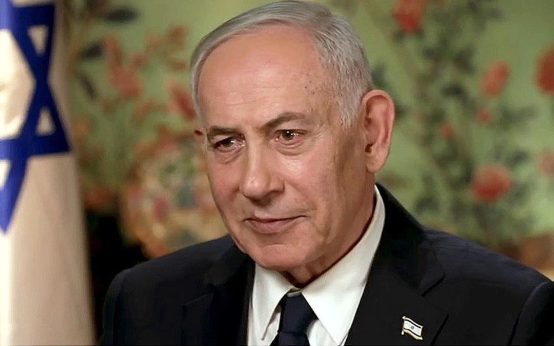 Israeli PM Commends Heroic Actions in Flight Emergency
 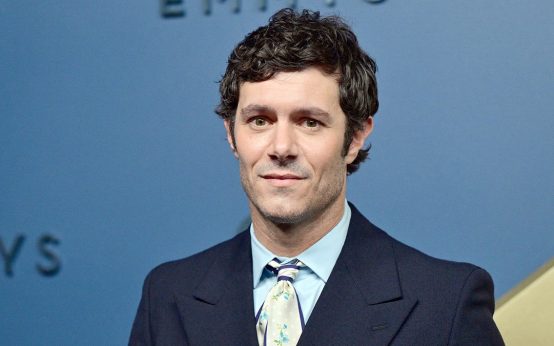 Rabbi and Jewish Leaders Criticize Adam Brody for ‘Genocide’ Comment
  Flydubai’s Emergency Landing Highlights Cockpit Security
  Former Israeli PM Naftali Bennett Commends Passengers and Crew for In-Flight Heroism
  Diplomatic Complexities Unfold at U.S. National Archives Visit