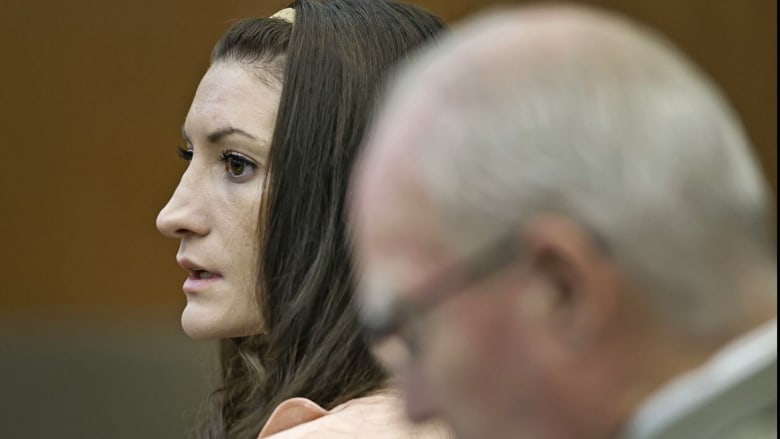
The murder trial of Lindsay Clancy, who killed her three young children Cora, 5, Dawson, 3, and Callan, 8 months, is nearing its conclusion. The presentation of evidence is expected to wrap up today. The central focus of Clancy’s trial has been her mental health, with significant debate over whether she was suffering from postpartum psychosis during the crime.
Prosecutors argue that Clancy intentionally killed her children, while her defense claims she was experiencing postpartum psychosis and lacked awareness of her actions. The prosecution’s final witnesses have sought to challenge the idea that Clancy was driven by a psychotic episode and that she heard voices commanding the killings.
Clancy’s defense highlighted testimonies from friends and family, such as Patrick Clancy, who portrayed her as a dedicated mother. The case has captured widespread attention, dominating discussions in podcasts and social media, far beyond the Massachusetts courtroom. Clancy has become a symbol of the deficiencies in maternal healthcare.
Judge William Sullivan informed the jury that they could expect to hear closing arguments by Thursday, with jury deliberations anticipated to start Friday. He reminded the jury that further evidence and the final arguments from both sides have yet to be presented.
Forensic Testimony
Forensic psychologist Kirk Heilbrun retook the stand, asserting that Lindsay Clancy possessed ‘moral awareness’ about the wrongfulness of her actions. NBC News legal analyst Misty Marris noted that this testimony is crucial for the prosecution’s case.
Postpartum Psychosis Experiences
Amid the trial, three mothers who endured postpartum psychosis have shared their experiences. Ayana Lage, 33, recounted her 2020 experience as a humbling reminder that psychosis can affect anyone, regardless of their background.
Understanding Postpartum Psychosis
Clancy’s legal team claims that a rare mental health condition, postpartum psychosis, drove her actions. The condition is challenging to diagnose and treat effectively, contributing to the complexity of the case.
Final Testimonies
Yesterday, the last witness for the prosecution testified, stating that Clancy’s recollection of events did not align with accounts she gave to other doctors or her former husband’s testimony. This discrepancy is vital for the prosecution’s narrative.