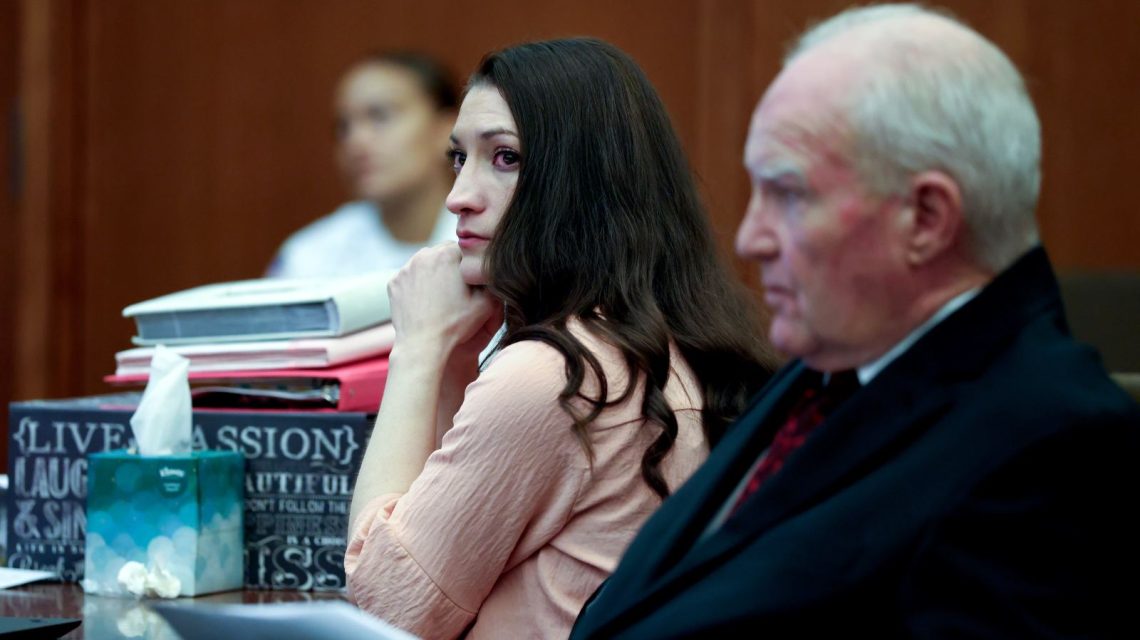
Tuesday’s Hearing: A Day of Intense Testimonies
The latest hearing in the Lindsay Clancy murder trial witnessed impactful testimonies. Experts debated over forensic evidence, Clancy’s mental health, and her attempts to seek care before her children’s deaths. Clinical psychologist Dr. Paul Zeizel provided detailed accounts of Clancy’s auditory hallucinations. A forensic pathologist’s findings faced scrutiny from the prosecution.
Dr. Paul Zeizel Discusses Clancy’s Hallucinations
Clinical psychologist Paul Zeizel testified that Clancy reported hearing a male voice instructing her to kill her children and herself. Clancy believed her thoughts were so loud that others could hear them. Zeizel explained that psychosis can result in intermittent symptoms, likening auditory hallucinations to waves. He noted Clancy’s experiences of dissociation, depersonalization, and variable moods leading up to the incident. No signs of malingering were found, as he described her as an honest individual.
Zeizel Let Clancy Call Her Husband
Zeizel disclosed allowing Clancy to call her husband using his phone while she was restrained in the hospital. During the call, Clancy expressed love, confusion, and fear. This incident held significance as prosecutors alleged Clancy was encouraged to create hallucinations. Zeizel refuted these claims, stating the call was an act of compassion and insisting he did not advise her to fabricate voices. He also confirmed over 45 meetings with Clancy to maintain her trial competency.
Pathologist’s Fall Analysis Faces Challenges
Forensic pathologist Elizabeth Laposata claimed Clancy fell head-first from a window, resulting in a Jefferson fracture and severe spinal harm. Prosecutors questioned this conclusion, citing the absence of any external head injuries, skull fractures, or brain bleeds in Clancy’s photos. The exchange between the pathologist and the prosecution became heated, prompting judicial intervention. Laposata suggested Clancy’s body temperature drop resulted from spinal injuries and exposure to cold ground.
Clancy’s Failed Attempts to Access Care
Testimony highlighted Clancy’s unsuccessful efforts to obtain emergency mental health support. Despite contacting suicide hotlines twice, she did not receive help. Additionally, Women & Infants Hospital rejected her from their postpartum program due to suspicions of overmedication. Witnesses noted her desperation for aid, citing reports of insomnia, numbness, fear of medication side effects, and potential benzodiazepine dependency.
Additional Trial Moments
Several other incidents added context to the proceedings. Prosecutor Jennifer Sprague demonstrated the use of exercise bands, questioning Laposata’s findings regarding the children’s ligatures. Zeizel mentioned Clancy’s adverse reactions to medication, including Zoloft and Seroquel, which exacerbated her insomnia and anxiety. Susan Clancy recounted Lindsay’s pleas for help in late 2022, describing struggles with insomnia and anxiety.
Looking Ahead
The trial continues on Wednesday with more expert testimony expected. This will further explore whether Lindsay Clancy understood the wrongfulness of her actions or was overwhelmed by postpartum psychosis on January 24, 2023.
If you or someone you know experiences postpartum mental health issues or thoughts of self-harm, contact or text 988, or use the chat service at 988lifeline.org for immediate support.