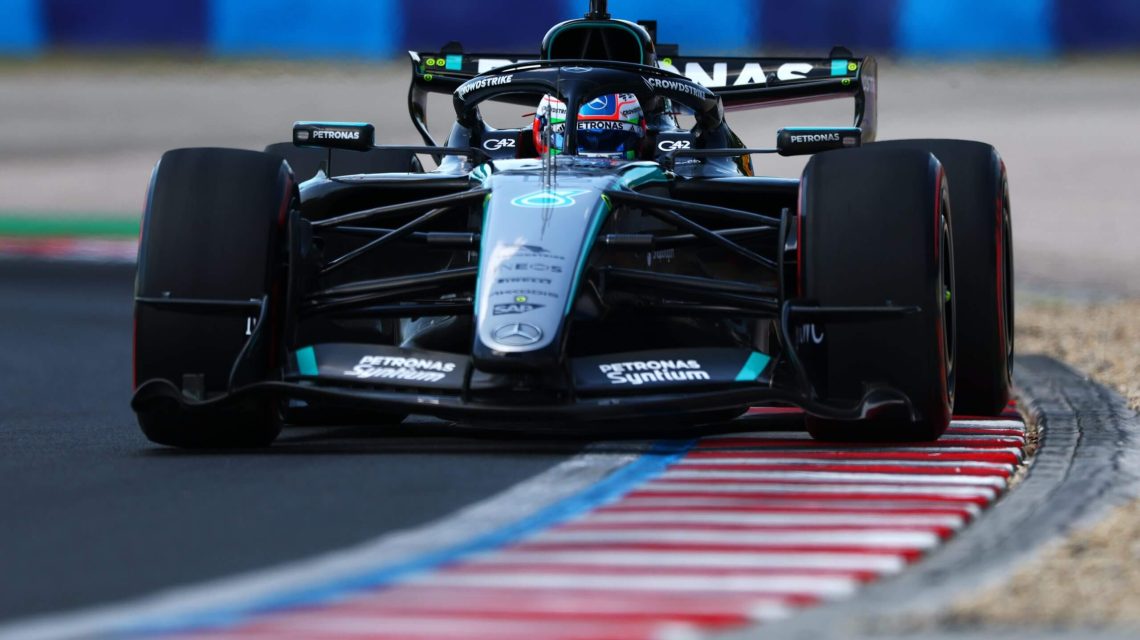
After a stellar performance at the Belgian Grand Prix, Kimi Antonelli reestablished his dominance in the Formula 1 drivers’ championship. The 19-year-old outclassed rivals at Spa, while his main competitor, George Russell, crashed out on the first lap. As a result, Antonelli expanded his lead to 50 points.
However, a humorous yet stern warning from his father, Marco, reminded him of an ongoing issue. ‘Congrats, but… if I see you doing another track limits for nothing, I’m going to stretch your neck like a chicken!’ Antonelli smiled as he recalled these words, recognizing the underlying importance. Track limits violations have been a consistent challenge in his 2026 campaign.
Antonelli acknowledged, “It’s something I definitely need to work on.” In his second F1 season, he’s displayed remarkable growth. The initial rookie mistakes are fading, as is the performance gap to Russell. He has become a race winner and is on track to potentially become the sport’s youngest champion. Yet, track limits remain a point of reflection during the ongoing four-week summer break following the Hungarian GP.
Track limits have been a contentious issue in recent years. The FIA enforces strict rules, with drivers required to stay within track boundaries, especially during overtakes. A violation occurs if all four wheels cross the white line defining the track’s edge. Some corners on the F1 calendar make adherence difficult. For example, Austria’s final downhill right-handers have seen numerous penalties, necessitating additional curbs for regulation.
In qualifying, exceeding track limits means an automatic invalidation of the lap time. This affected Antonelli in Hungary, where his Q2 lap was deleted, increasing pressure on his second attempt, which landed him in eighth place.
Kimi Antonelli on a painted curb highlighting F1’s track limits requirements at the 2026 Hungarian GP.
The penalties differ in races. Drivers are allowed three breaches before receiving a black-and-white warning flag. A fourth results in a five-second penalty. Antonelli learned this the hard way at Silverstone, where a late-race penalty cost him positions.
At Silverstone, Antonelli’s frustration was evident when his broken car struggled to stay within limits. His race engineer, Pete Bonnington, informed him of the penalty. Despite no time advantage, it dropped him from ninth to 15th in standings, compromising championship points.
Antonelli consistently receives warnings from Bonnington. In Canada and Austria, he narrowly avoided penalties. But in Miami and Barcelona, penalties added up, affecting his performance. “I look back at Spa,” Antonelli reflected, “and the two track limits breaches were very stupid.”
Through 11 races, Antonelli leads in track limits breaches, with 22 laps deleted. Only Australia and Japan remained breach-free. Lance Stroll follows closely with 20 breaches. Carlos Sainz ranks third with 14, followed by Lando Norris with 13.
Kimi Antonelli ahead of the sprint race at the 2026 Miami GP.
Antonelli’s challenge partly stems from his aggressive driving style. Pushing every corner to the limit provides an advantage over Russell but risks penalties. He acknowledges the need to balance aggression with caution. Bonnington’s warnings have helped him adjust during races.
As Antonelli prepares for the season’s latter half, he understands the importance of managing track limits. “Sometimes in a race, I might need to use them (the permitted strikes),” he stated. “But using them unnecessarily might lead to trouble. It’s something I’m working on.”
Aside from track limits, Antonelli’s 2026 performance is impressive. His growth from last year has surpassed expectations, leveraging his driving style for better results. Focusing on refinements, such as track limits, will be crucial to safeguard his championship aspirations.
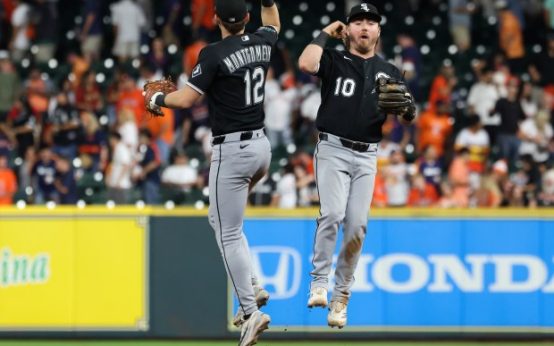 White Sox Advance to AL Division Series Against Guardians
 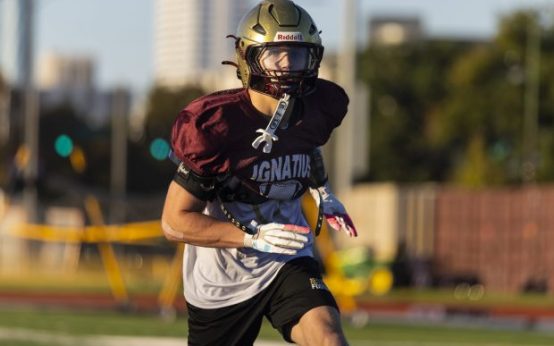 The Hites Brothers: From Backyard Football to Leading St. Ignatius
 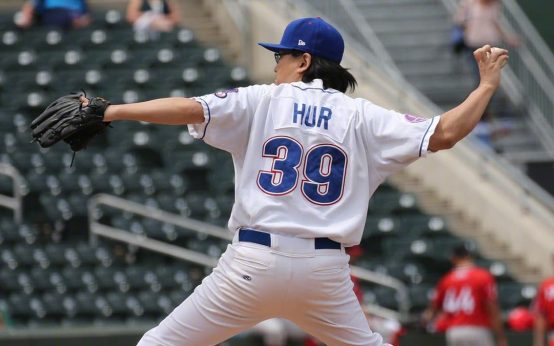 The Quest for the Knuckleball Dream
  Historical Events in Chicago on October 1st
  Stephen A. Smith Discusses Houston Texans’ Critical Matchup Against Dallas Cowboys
  CC Sabathia Anticipates Yankees’ Game 1 Pitcher for ALDS After Beating Red Sox