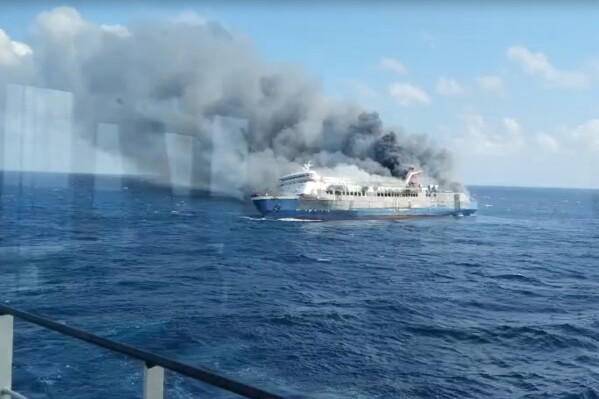
Amid rising attacks on U.S. bases, Iranian leaders show surprising unity in a war strategy that emphasizes resilience. However, there’s a stark division over the ultimate goal.
The hardline Paydari movement opposes negotiations, aiming for full control by the Islamic Republic. Meanwhile, supporters of President Masoud Pezeshkian and Parliament President Mohammad Bagher Qalibaf advocate for negotiations with the U.S., driven by economic concerns and social changes.
Mohammad Qalibaf’s advisor, Mahdi Mohammadi, stated on Telegram that negotiation complements military action to extract concessions from the enemy.
Iran’s leadership struggles for post-war control. New Supreme Leader Moytabá Jamenei’s stance is uncertain following reports of his injury during an attack. Both factions claim his support.
A ceasefire agreement backed by Iran’s Supreme National Security Council failed when financial promises went unmet. Ali Vaez from the International Crisis Group observes a unified Iranian strategy amid resumed U.S. pressure.
Paydari’s influence was evident at Ayatollah Ali Jamenei’s funeral, with calls for vengeance against the U.S. and Israel. Public broadcasts depict a path to victory while dissenting voices face disruption.
The state-run IRIB broadcasts were interrupted, highlighting tensions between military and government sectors. The president’s office accused IRIB of divisiveness.
Extreme religious factions exert influence, briefly closing Tehran cafes, sparking concerns from reformists like Mohamad Ali Abtahi about extremist dominion despite being a minority.
Vali Nasr from Johns Hopkins notes Paydari’s strong bureaucratic and military connections.
Pragmatists emphasize addressing economic and social discontent, with a final U.S. agreement offering relief through sanction removal. Recent petitions against the war reflect public impatience and internal pressures.
A reformist party supporting Pezeshkian warns of the war undermining social cohesion. Meanwhile, Tasnim, close to the Revolutionary Guard, criticizes such sentiments.
Youssef Pezeshkian highlights balancing military goals with a struggling economy, reflecting Iran’s longstanding conflicts and sanctions.
Both sides vie for post-war power amid leadership changes. Moytabá Jamenei’s true position remains unknown, speculating possible radical or moderate shifts.
The supreme leader’s central role could mitigate extremist faction conflicts according to Abtahi, presenting potential risks without restraint. The situation remains in flux.
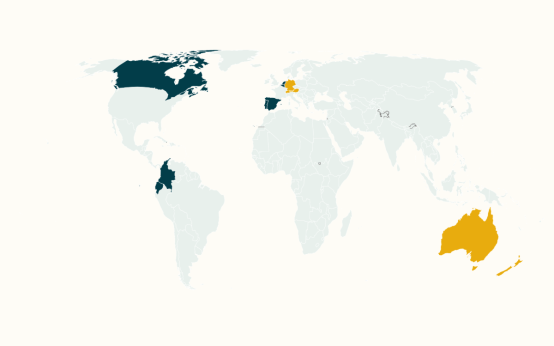 Dutch Review Board’s Euthanasia Ruling and International Debate
 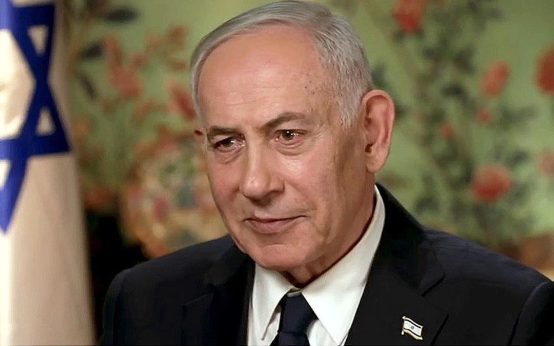 Israeli PM Commends Heroic Actions in Flight Emergency
 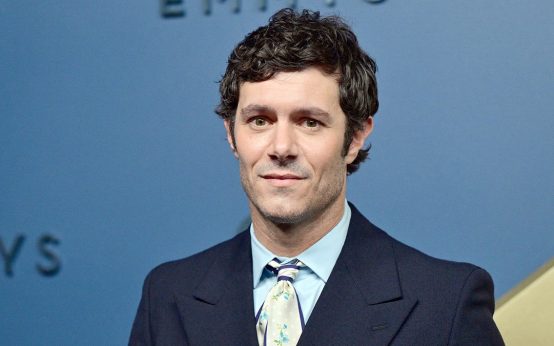 Rabbi and Jewish Leaders Criticize Adam Brody for ‘Genocide’ Comment
  Flydubai’s Emergency Landing Highlights Cockpit Security
 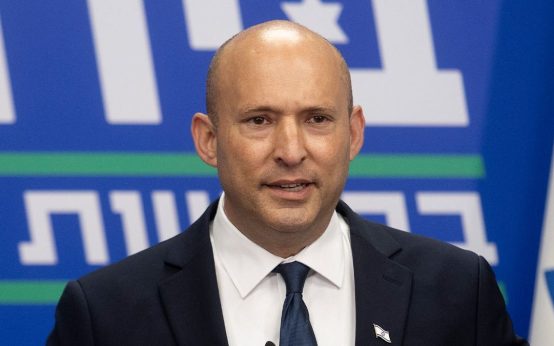 Former Israeli PM Naftali Bennett Commends Passengers and Crew for In-Flight Heroism
 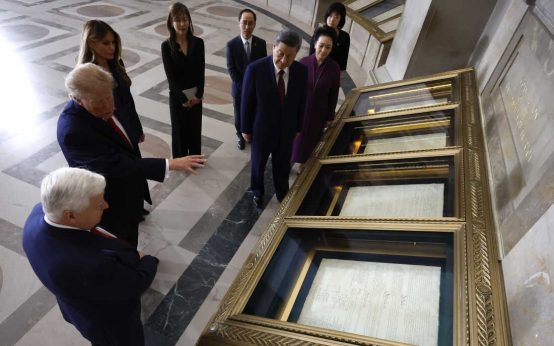 Diplomatic Complexities Unfold at U.S. National Archives Visit