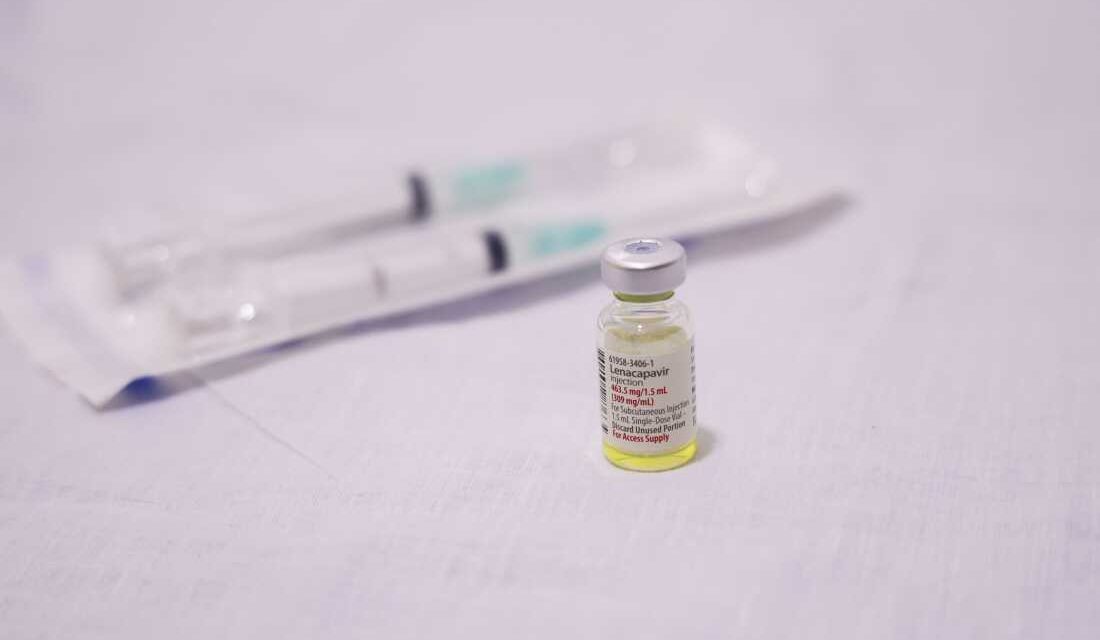
In recent times, a medication named lenacapavir has become noteworthy for its potential in preventing HIV infections. With an injection given twice yearly, individuals can gain protection against HIV without the need for daily pills. This advancement addresses common issues related to adherence and effectiveness in HIV prevention drugs.
Promising Results from Clinical Trials
Two pivotal trials, PURPOSE 1 and PURPOSE 2, demonstrated the effectiveness of lenacapavir. Initial results showed high effectiveness, prompting an early end to the randomized phase as withholding the drug from placebo participants became unethical. The trials involved different groups, with PURPOSE 1 focusing on women in sub-Saharan Africa, showing remarkable adherence rates of over 96%. Meanwhile, PURPOSE 2 included men and gender-diverse individuals who have sex with men, and reported slightly lower adherence.
None of the nearly 4,200 women participating in PURPOSE 1 acquired HIV during the post-intervention phase.
Challenges in Distribution
The rollout of lenacapavir faced hurdles, such as distribution delays and pricing concerns. Uganda recently began distributing the drug but struggled with logistical issues and limited supplies. For example, Kasensero, known for high HIV rates, received insufficient doses, covering only minimal population needs. Confusion over distribution quantity and funding reliability has further complicated the rollout.
Critics also point to the high cost of lenacapavir, approximately $28,000 for two doses. In contrast, oral PrEP costs around $45 annually. Efforts by organizations like Doctors Without Borders to procure the drug were reportedly hindered by distribution controls.
Gilead, the company behind the drug, has committed to reducing prices by facilitating generic versions and providing the drug at no profit until generics are available. They plan expanding availability to more countries by 2026.
Impact on Uganda’s Battle Against HIV
Concerns about future funding loom as the U.S. reduces foreign aid, affecting Uganda’s established HIV treatment systems. Staff reductions across treatment and prevention programs highlight the need for consistent support to implement lenacapavir effectively. Limited resources hinder outreach and distribution efforts required to maximize the drug’s potential.
Despite these challenges, local health officials remain hopeful regarding lenacapavir’s prospects. Government bodies and international partnerships aim to expand access and ensure high-risk populations benefit.
Continued Importance of Oral PrEP
While lenacapavir sets new standards, oral PrEP continues as the primary tool in HIV prevention. Recent data, however, highlights a decrease in the uptake of oral PrEP due to funding cuts, particularly impacting communities like Kalangala district—known for its HIV prevalence.
Transportation costs and supply chain limitations make oral PrEP distribution challenging. Injectable options like lenacapavir have the potential to reduce logistical burdens. However, the effect relies on overcoming organizational and economic barriers.
Efforts to improve HIV prevention now resemble a puzzle with key pieces missing, needing comprehensive strategies to ensure success.
Healthcare workers remain committed to addressing these gaps and reinforcing Uganda’s fight against HIV.
 Trump Administration Distributes ACA Refund Checks
  Higher Consumption of Ultra-Processed Foods Linked to Increased Health Risks
  Understanding Inflammation: Myths and Facts
  Calm Parenting: Strategies to Manage Stress
  Trump’s Executive Order to Combat Mosquitoes and Ticks in D.C.
  Overcoming Weight Loss Challenges: Brain Health and GLP-1 Medications