
On August 15, 2026, Liechtenstein’s royal family announced a significant change in the nation’s rules of succession. The alteration will allow a woman to inherit the principality’s throne in the future. Hereditary Prince Alois shared this development during his speech on the country’s national day. This change received approval from the necessary two-thirds majority of family members eligible to vote on such matters.
According to the prince’s remarks posted on the princely house’s website, “all female descendants of the Princely House will be granted the same participation rights in matters governed by the House Law as male descendants.” Alois explained that the succession line would change from male primogeniture to absolute primogeniture. This means the first-born child, regardless of gender, will inherit the throne and eventually become the princess or prince of Liechtenstein.
The current head of state, Prince Hans-Adam II, handed over most of his powers to Alois in 2004, following a tradition where Liechtenstein monarchs pass control to their heirs. Alois, his eldest son, is now 58. The eldest of Alois’ four children is Prince Joseph Wenzel, aged 31.
Liechtenstein, a nation with a population of 40,000 located between Switzerland and Austria, maintains a powerful monarchy compared to European standards. The ruling prince holds the authority to veto referendum outcomes, appoint judges, and dismiss the government.
The country, known for its conservative traditions, was the last in Europe to grant women the right to vote in national elections in 1984. This change was narrowly approved in a referendum supported by Hans-Adam. Last year, Brigitte Haas made history by becoming the first female prime minister of Liechtenstein.
 British Police Arrest Man Suspected of Terror Plot
  Activists Push for Nationwide Ban on Child Marriage in the U.S.
  Investigation into Alleged Incident at Cornell University
  Rising Drone Threats Highlight Vulnerabilities in Moldova’s Airspace Defense
  Bolivia Faces Security Test Amid Unrest
 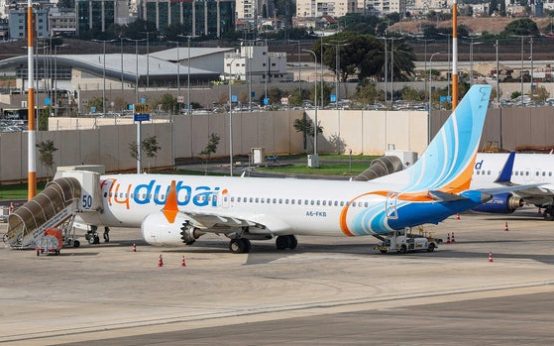 Incident on FlyDubai Flight Raises Security Concerns