
At 16, I realized my life was not entirely mine to plan. I was born into a Baha’i family. In Iran, under the Islamic Republic, this meant we were targets—not for anything we did, but for our beliefs. The Baha’is are Iran’s largest non-Muslim minority. For 47 years, we have faced discrimination, barred from universities, many jobs, and even burying our dead peacefully. We are watched and sometimes detained simply for practicing a faith that envisions humanity as one family. Since 1979, the Islamic Republic of Iran has executed and killed hundreds of Baha’is.
I saw adults I loved losing their jobs and freedom. At 11, I faced a horrific expulsion from sixth grade. School officials aimed to incite students against me. Eventually, my family had no real choice. My parents hired a smuggler to help me cross into Pakistan.
I share this because it is not just history—it’s this week’s news. Dozens of Baha’is have been detained in Iran this year. Human rights groups report intensified crackdowns as Iran confronts the U.S. and Israel. Governments often reach for scapegoats when cornered—and in Iran, this has long been the Baha’i community.
What does persecution feel like from the inside? It means seeing your parents unable to protect their children. It’s realizing as a teenager that your faith is a public liability. It’s leaving behind your country, language, community, and family, arriving somewhere new with nothing. What I kept were my values.
My faith emphasizes service, unity of humanity, and honest work as worship. These values traveled with me. They guided me as I built my life in the U.S., first as a refugee and then as an entrepreneur. In California, I found a place indifferent to where I came from, caring only about my skills and contribution. America’s tolerance for outsiders and unconventional paths allowed me to co-found AutoWeb. It was one of the first online car marketplaces and went public in 1999.
I later founded One Planet Group, a private equity firm. I’m grateful for the opportunities America gave me, taking me in when my own country wanted us out. In return, I invested in building companies, creating jobs, and contributing to the economy.
The threat from Iran’s government persists. Ideology—not pragmatism—drives its choices, evidenced by actions beyond its borders such as aiding Hamas, Hezbollah, and the Houthis. These are not allies but instruments for Iran’s regime, which sacrifices people it claims to champion.
A government treating its own 93 million citizens as enemies cannot be deemed trustworthy for agreements like nuclear deals. The world needs to support the Iranian people for right, not profit. Otherwise, the Islamic Republic strengthens, extending its atrocities.
I think about young Iranians, including Baha’is currently detained, and those led to the gallows. I think about the youth and women of Iran. Many are teenagers, like I was, facing a world that often looks away. Iran’s turmoil could worsen this persecution. I am fortunate, having found a country willing to bet on me. I do not seek war but freedom for Iranians.
 Trump Expands US Military in Greenland with New Deal
  Tropical Depression Champi Threatens Guam Amid Record Storm Year
 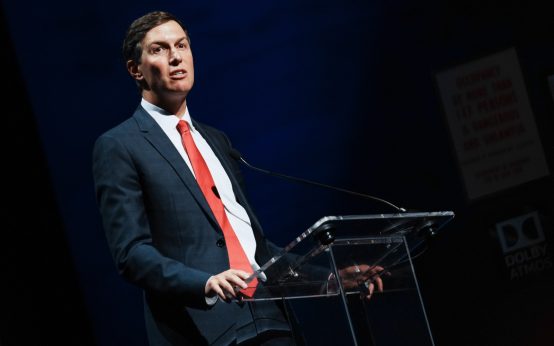 Jared Kushner’s Diplomatic Role Under Scrutiny Amid Lawsuit
  Dublin Hotel’s Rejection of Antisemitism Event Sparks Controversy
  Chinese Perception of American Political Turmoil: A Civics Lesson Unavailable at Home
  ADL Criticizes Wikipedia for Retaining Biased Content