
Mayor Brandon Johnson signed an executive order on Tuesday to increase scrutiny on data centers in Chicago. This move, though impactful, will not directly impose new limits but might slow industry growth. The order directs city departments to tighten air pollution assessments, introduce noise restrictions, and expand authority over water and electricity usage reviews at these facilities. Despite these actions, it does not cap or ban new constructions, which would require City Council approval. Johnson urged the council to consider a moratorium on new projects as the city formulates comprehensive rules.
“This is a newer phenomenon, and we want to get ahead of it swiftly,” Johnson stated. “A temporary moratorium is vital to ensure no new data centers advance while the City Council develops necessary protections.” During a news conference, he emphasized that “Chicagoans must come first” in setting terms for the industry as artificial intelligence boosts data center constructions nationwide. “Chicago will not be passively shaped by this new industry. We will lead in setting terms for technological development,” he added.
This action represents the city’s firmest response to facilities known for their noise, pollution, and heavy resource use. Aldermen are set to consider an ordinance proposed by City Council Environmental Chair Ald. Maria Hadden next month. It would require centers to report their electricity and water usage. Hadden remarked, “There’s plenty of work to do” when asked about mayoral overreach.
A cross-nation review shows more than 530 local governments have restricted data centers, according to Heatmap Pro. In Illinois, six towns canceled projects last year, and 13 enacted moratoriums or restrictive ordinances.
Supporters stood by Johnson, including Ald. Lamont Robinson, who sparked a light moment during the announcement. Despite previous tensions with the council, Johnson’s stance aligns with some aldermen’s concerns about utility bills and economic impacts. He advocates for state legislation through the POWER Act to regulate large data centers outside city limits.
With 39 existing centers and more anticipated, proposals like the one at 300 W. Adams St. are emerging. Johnson’s actions follow recommendations from the Sustainable Data Centers Working Group, warning about the buildings’ impact on costs and climate goals.
Environmental activists, including Iyana Simba from the Illinois Environmental Council, praised Johnson’s actions. “We are hearing stories of AI data centers raising bills and threatening communities’ health,” she said. Angela Tovar, from the Department of Environment, highlighted the symbolism of the Northerly Island location where the news conference occurred, likening it to past reclamation and renewal efforts.
 Democratic Hopes and Historical Warnings in 2026 Senate Race
  Republicans Face Challenges Amidst Cost of Living Concerns
 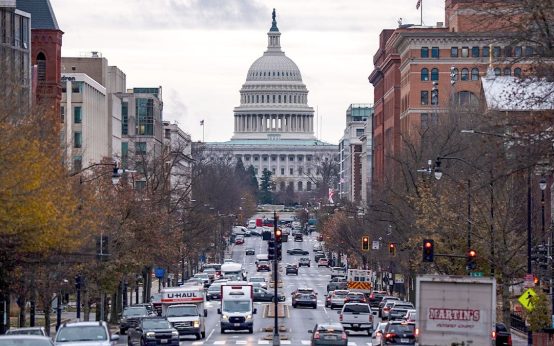 A Different Kind of Fall for Congress This Year
  Cornel West and Sean Hannity Discuss Differences on Podcast
  Trump Unveils AI-Powered America.gov Platform
 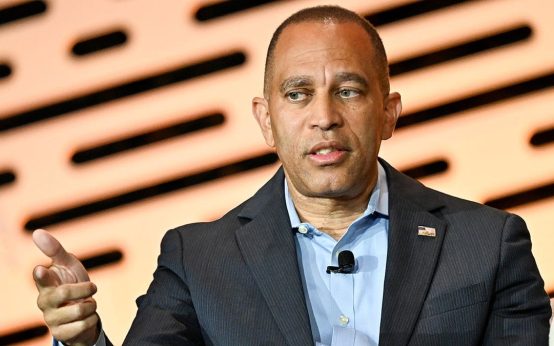 Upcoming Congressional Elections: Key Districts to Watch