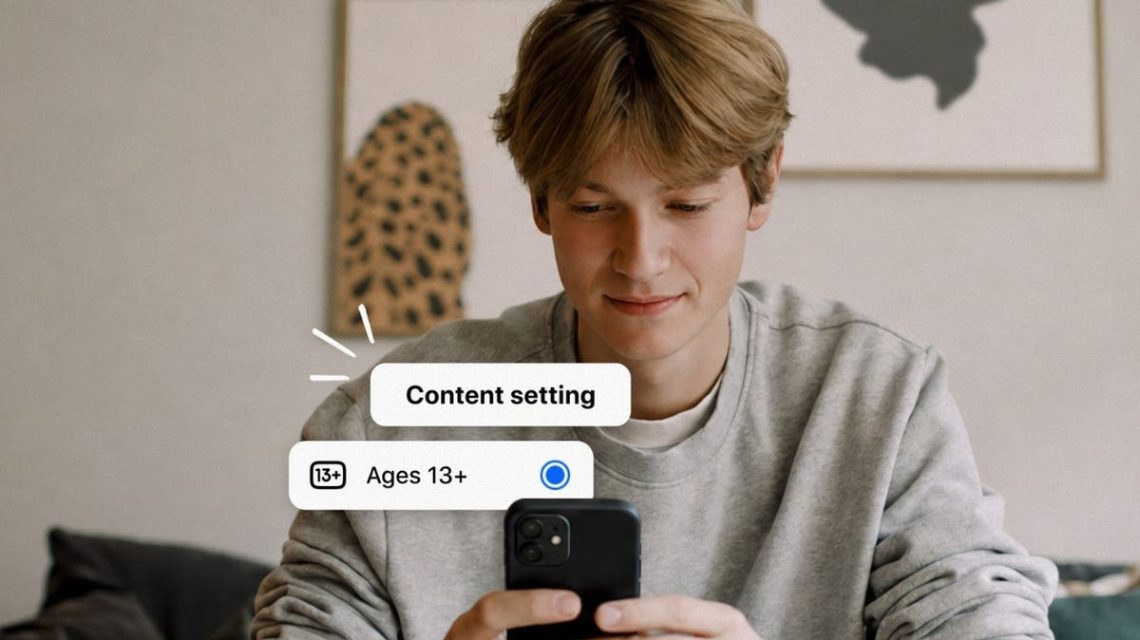
Meta has agreed to a significant settlement to enhance child safety on its platforms, Facebook and Instagram. This settlement sets a two-hour daily usage limit for users under 18 and restricts app accessibility from midnight to 6 a.m. It also silences notifications during school hours.
Understanding the New Limits
The agreement, approved on August 27, enforces a default two-hour daily limit on Facebook and Instagram usage. If a teen tries to extend this time, parental permission is required, providing a strict boundary.
Additional Restrictions
Night Mode will block app use from midnight to 6 a.m., except for direct messaging. Notifications will be quiet from 10 p.m. until 7 a.m. to help teens focus during late hours.
During school hours, from 8 a.m. to 3 p.m. on weekdays, most notifications will not be sent, aside from direct messages and security alerts. This aims to reduce distractions during learning time.
Reminders and Content Control
Users will receive prompts every 15 minutes of continuous screen time, with further alerts at 60 and 90 minutes. This aims to raise awareness of screen time usage before reaching the two-hour cap.
Teens can opt for a non-personalized feed and turn off autoplay, helping reduce content consumption. Like counts and extreme filters are also being limited to reduce social pressures.
Age Verification and Parental Control
Meta is investing in better ways to verify user age, crucial for these protections. Meanwhile, parents will receive alerts on their teen’s account activity, offering enhanced supervision options.
Despite these measures, ensuring accurate age detection remains challenging. Incorrectly identifying a teen as an adult could undermine the system.
Industry-Wide Changes
Meta calls for similar measures across other platforms like TikTok and YouTube. Their participation is seen as critical since teens often switch between apps. If industry peers join, more stringent restrictions could be implemented.
Involving App Stores
Meta suggests that app stores should aid in providing verified age information to ensure consistent age-appropriate protections.
Implementation Timeline
These changes will roll out in the upcoming months, with most provisions due in six months. An independent auditor will regularly review Meta’s compliance.
Parental Guidance and Tech Savvy Tips
Parents can preemptively explore and adjust settings by using Meta’s parental supervision tools. Understanding screen time metrics and privacy settings is essential for safeguarding teens online.
- Activate parental supervision on Meta platforms.
- Review device screen time together.
- Regularly check privacy and contact settings.
- Rely on device-level controls for comprehensive limits.
- Establish a nighttime routine for phones.
While these technological measures assist in setting boundaries, parental involvement plays a vital role in guiding teens through digital habits.
 Trump Unveils AI-Powered America.gov Platform
  Trump’s 2024 Campaign Targets Young Men Through Cryptocurrency
  How Modern Windows Improve Home Insulation
  State Department Simplifies Passport Process with Online Applications
  Senate Democrats Block Data Center Bill Over Efficiency Concerns
  Future Cities: Ambitious Projects Aiming for Innovation and Sustainability