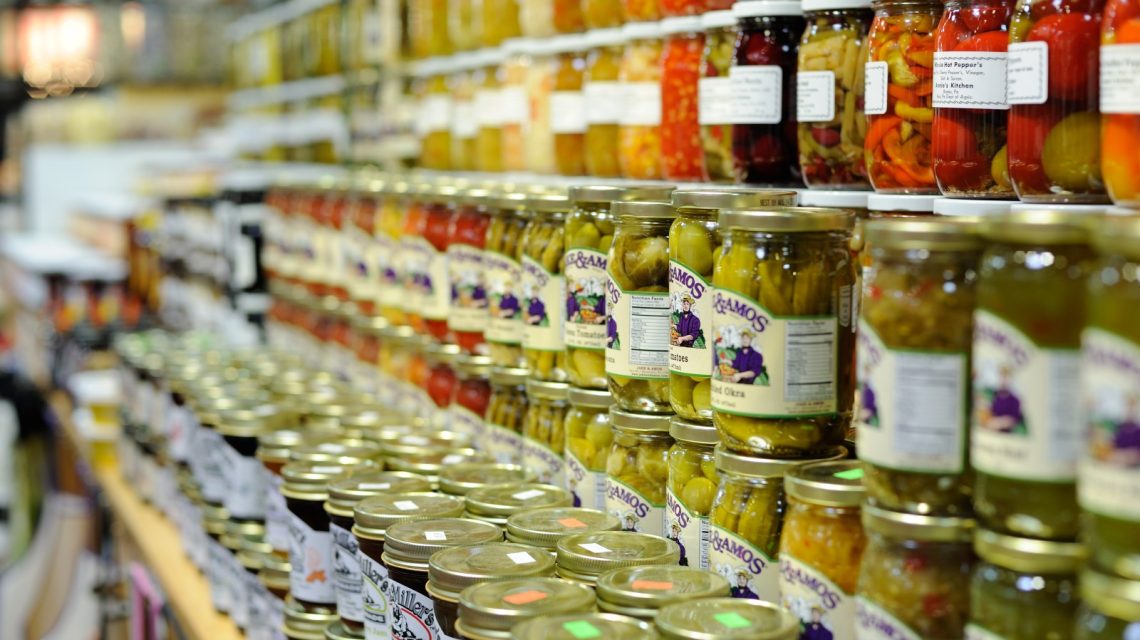
G. L. Mezzetta Inc. has announced a voluntary recall of a specific lot of its Mezzetta GOLDEN GREEK PEPERONCINI MEDIUM HEAT, 32-ounce jars. This decision follows a report of a potential pest contaminant found in a jar. The U.S. Food and Drug Administration (FDA) released an alert regarding the recall.
In its statement, the company acknowledged a social media video showing what seemed to be a rodent in one of their peperoncini jars. The video aired on TikTok and quickly accumulated over 230,000 views. A woman in the video remarked on discovering a dead baby mouse in her jar of peppers while preparing a pot roast.
The FDA’s alert emphasized that there have been no reported illnesses or injuries associated with this recall. It also clarified that no other Mezzetta products are affected.
Details of the Recall
The recall specifically pertains to the 32 oz. jars of GOLDEN GREEK PEPERONCINI MEDIUM HEAT, marked with lot number 720106 and SKU number 10106328. Mezzetta stated efforts are underway to identify where the distributed product is located. They are collaborating with distributors and customers to remove the affected items from circulation.
The company has taken steps to retrieve and analyze the product initially shown in the video, aiming to assess sanitation practices and food safety compliance.
Consumers who purchased these jars are advised not to eat them. Instead, they should reach out to Mezzetta via email at [email protected] for further guidance.
Context of Food Recalls
This recall occurs amid a broader climate of scrutiny regarding food safety. Various recalls this year have been prompted by contamination risks, undeclared allergens, and improper inspections. Another recent recall involved Star Meat Delivery Inc. recalling 167,639 pounds of meat products due to a lack of federal inspection.
Food safety expert Keith Schneider from the UF Institute of Food and Agricultural Sciences explained why food recalls seem more frequent. He noted the expanding access to news through social media and 24-hour reporting amplifies public awareness of such incidents. Despite this, recurring foodborne pathogens and outbreaks remain consistent with historical patterns, although specific outbreaks like the current spike in cyclospora cases are unusual.
Schneider said that while estimated yearly cases of salmonella remain around 1.2 million and norovirus at about 20 million, cyclospora cases exceeding 20,000 present an anomaly compared to the usual 1,000 to 2,000 cases.
 Understanding Inflammation: Myths and Facts
  Calm Parenting: Strategies to Manage Stress
  Trump’s Executive Order to Combat Mosquitoes and Ticks in D.C.
  Overcoming Weight Loss Challenges: Brain Health and GLP-1 Medications
  Supporting Children’s Mental Health at Home: Practical Steps for Parents
  Abdul El-Sayed’s Strategy to Attract Health-Conscious Voters in Michigan