
In Michigan, a key Democratic Senate primary is creating a pivotal moment for the party. Two candidates with differing ideologies compete to fill the seat of retiring Senator Gary Peters. The outcome could influence the Senate’s balance and have implications for future elections.
Michigan’s Key Battle
Dr. Abdul El-Sayed and Representative Haley Stevens represent contrasting visions within the Democratic Party. Dr. El-Sayed, a progressive, advocates for universal health care and criticizes U.S. military aid to Israel. In contrast, Ms. Stevens, a moderate, emphasizes bipartisan solutions and is a staunch Israel supporter. Their clash underscores a broader debate within the party about its direction.
Dr. El-Sayed plans to campaign in Detroit, highlighting his grassroots efforts. Ms. Stevens will engage voters in both Grand Rapids and Detroit, positioning herself as a unifying candidate against political division.
The Stakes
The primary winner will face former Representative Mike Rogers, the uncontested Republican candidate. Democrats are weighing which of their candidates can better challenge Rogers and win in the general election. Dr. El-Sayed has accused Rogers of being a weak opponent, predicting a seven-point victory over him.
This primary has seen significant financial investment, particularly in support of Ms. Stevens. Critics like Dr. El-Sayed question the influence of pro-Israel groups like AIPAC in the campaign.
Impact Beyond Michigan
In other races, Michigan voters are making choices with far-reaching implications. In Detroit, voters choose between Representative Shri Thanedar and State Representative Donavan McKinney. Additionally, in Lansing’s swing district, two centrist Democrats and one progressive vie for a chance to confront Republican Tom Barrett.
Across the nation, the primary elections serve as a reflection of political polarization and the lingering influence of former President Trump. In Washington, Representative Marie Gluesenkamp Perez, a moderate Democrat, faces challenges from both ends of the political spectrum, while Kansas sees a contentious Republican primary fueled by Trump’s endorsement.
These elections are a barometer for the direction of both major political parties, highlighting the ideological divides that will shape upcoming national contests.
 Defense Secretary Emerges as Key Player in the Trump Administration
  Hegseth’s Vision for the Military: Balancing Tradition and Innovation
 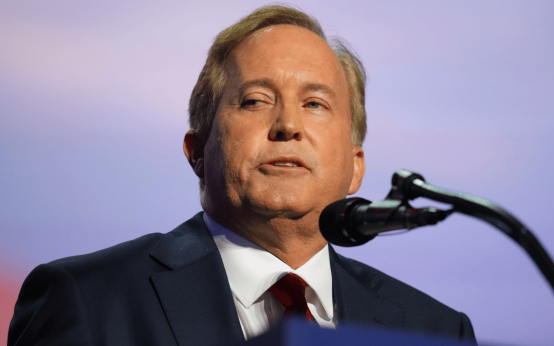 Significant Funding Boosts Ken Paxton’s Texas Senate Campaign Amid Tight Race
 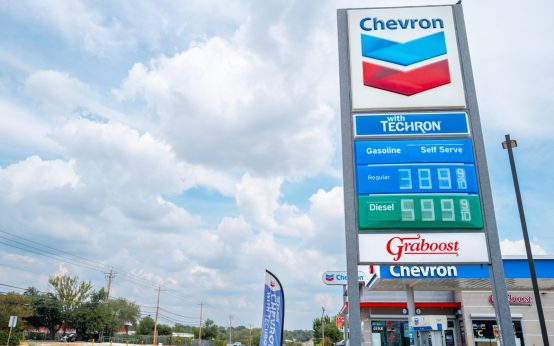 U.S. States Extend Gas Tax Waivers Amid Rising Fuel Costs Due to Iran Conflict
  USCIS Raises Immigration Fees
  The Surveillance Threat to U.S. Federal Agents