Canadian sociologist Marshall McLuhan once noted that “the medium is the message.” But what happens when the message seems mediocre? Both political sides aim to influence voters in the upcoming elections.
Republican Strategy
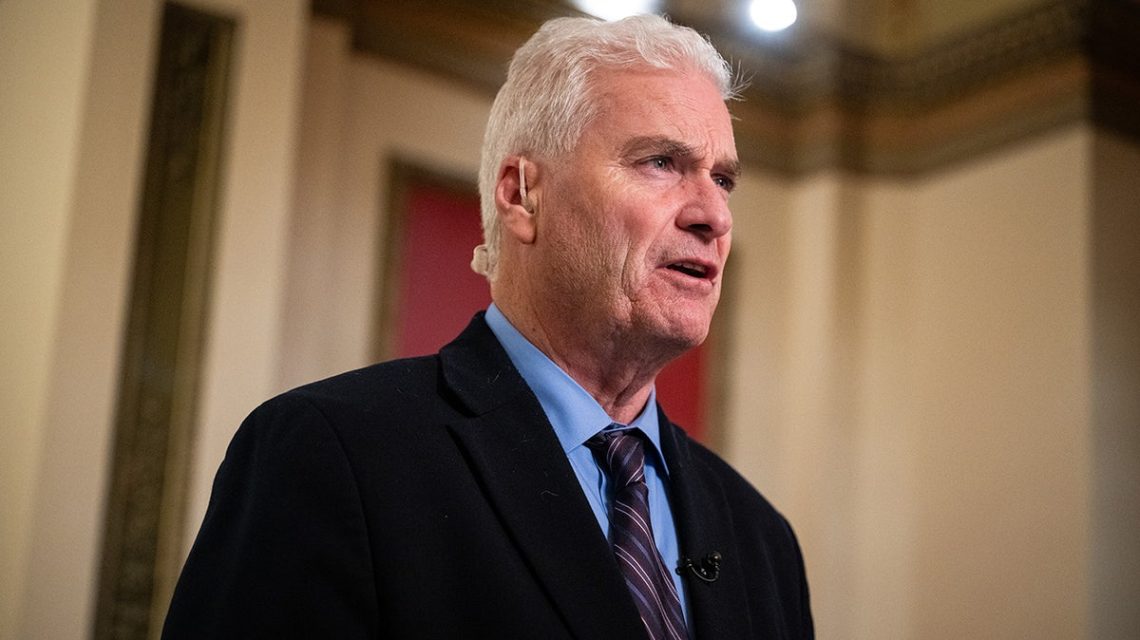
House Majority Whip Tom Emmer, R-Minn., emphasized their achievements on Fox News, including no taxes on overtime or tips and increased childcare tax credits. These are part of the “big, beautiful bill” passed by the Republican-led Congress last year. Despite these efforts, reminding voters of past achievements remains a challenge.
Sen. Kevin Cramer, R-N.D., highlighted the importance of current accomplishments over past ones, acknowledging a potential struggle for the GOP. He noted, “What you are going to do for me today is more important to them than what you tried to do a year ago.” Rep. Nancy Mace, R-S.C., also expressed pessimism on Republican prospects, predicting a challenging midterm result.
Democratic Approach
Democrats are focusing on affordability, with the cost of living as a primary concern. Sen. Tim Kaine, D-Va., criticized the tariff strategy for its negative impact on American budgets. Additionally, Democrats propose holding the Trump administration accountable, which may dilute their affordability message.
House Minority Leader Hakeem Jeffries, D-N.Y., countered concerns about this focus by linking corruption costs to the American public. However, Sen. Peter Welch, D-Vt., advised that concentrating on financial issues might be more politically advantageous.
Messaging Gaps
Sen. John Kennedy, R-La., acknowledged a lack of clarity in both parties’ messages, summarizing both sides’ strategies as “the other guys are worse than me.” Republicans may still leverage issues like border security, a tactic that worked previously.
The AI Dimension
Both parties are considering artificial intelligence as a potential campaign issue. Sen. Chris Murphy, D-Conn., suggested Democrats could spotlight AI challenges in the elections, while Jeffries criticized Republicans for negligence in AI matters. Sen. Jon Husted, R-Ohio, tied these concerns to affordability with the Ratepayer Protection Act.
The Act, passed overwhelmingly in the House, aims to shift utility costs from consumers to Big Tech firms managing data centers. Despite its popularity, Sen. Martin Heinrich, D-N.M., blocked further legislative progress, arguing for more decisive action.
Republicans view Heinrich’s move as potentially beneficial, reinforcing their message of focusing on affordability. Sen. Kevin Cramer expressed confidence in illustrating clear differences between the parties.
With time running short before the midterms, both parties face challenges in positioning themselves favorably on economic issues. The “message” remains critical as both sides hope to sway voters in November.
 State Department Simplifies Passport Process with Online Applications
 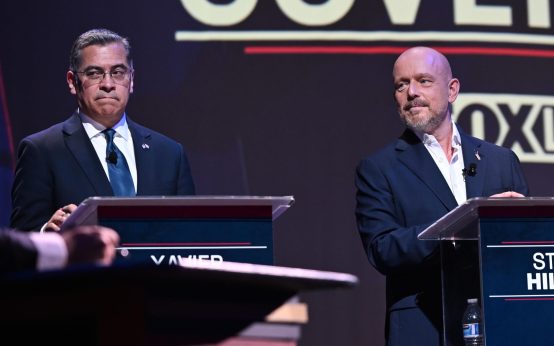 Becerra and Hilton Clash in California Gubernatorial Debate
  California Voters to Decide on $7.5 Billion State Research Fund
 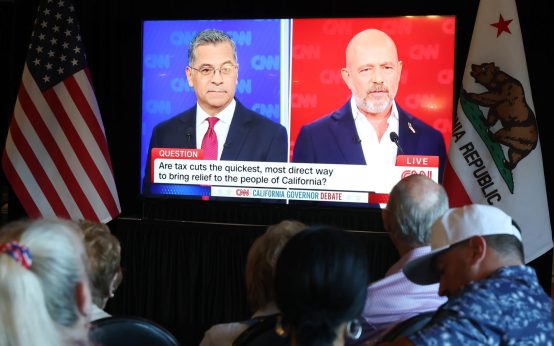 Highlights from the California Gubernatorial Debate: Becerra vs. Hilton
 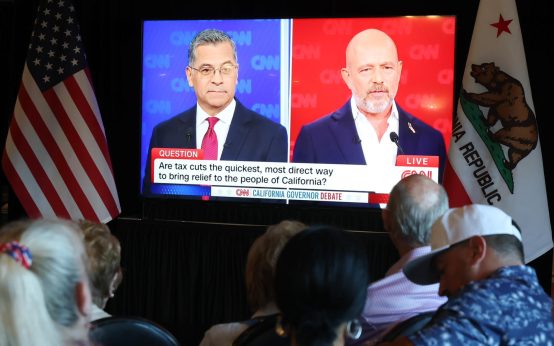 Becerra vs. Hilton: The Debate and Key Issues in the California Governor Race
  Senate Confirms New Labor Secretary