Since the 2016 presidential election, the United States has faced growing concerns about foreign interference in its electoral process. This increased scrutiny has led to significant efforts to secure the voting system.
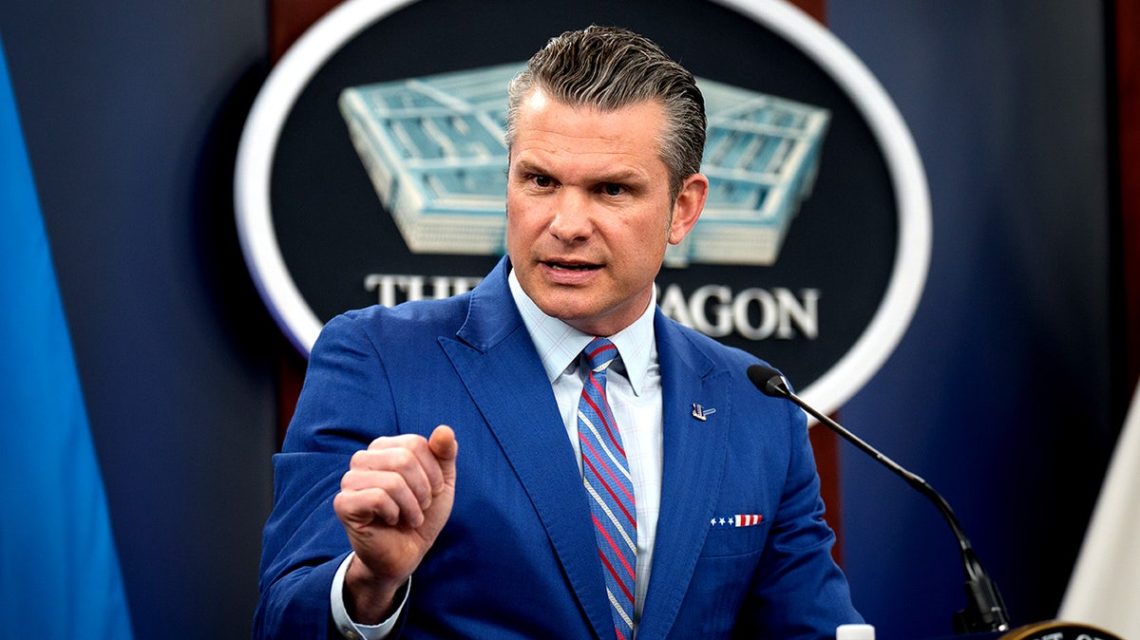
In a decisive move, Secretary of War Pete Hegseth has mobilized intelligence and spy forces to prevent foreign meddling in the upcoming 2026 elections. He has prioritized election security as a ‘no-fail mission’ and instructed the defense intelligence apparatus to use every authorized resource and partnership to counter foreign threats.
This directive extends across the entire Defense Intelligence Enterprise, which includes military and geospatial intelligence agencies. The directive aims to enhance security ahead of the 2026 midterms, reaching beyond the established U.S. Cyber Command and National Security Agency tactics.

The military’s sophisticated intelligence capabilities have been tasked with identifying foreign hackers, alerting civilian agencies about imminent threats, and, if authorized, taking action against these foreign actors or their infrastructure.
The Pentagon’s involvement stops at the U.S. borders, with state and local officials running elections domestically, while agencies like the FBI and the Department of Homeland Security handle internal security.
Efforts to combat foreign interference are not new. Cyber Command and the NSA have long been involved in tracking and disrupting threats and established a ‘Russia Small Group’ to deal with such issues after the 2016 election.
By 2022, election security was described as an ‘enduring, no-fail mission’ by Gen. Paul Nakasone. Current Cyber Command and NSA head Gen. Joshua Rudd has assured lawmakers that the command remains prepared to tackle foreign interference.

A recent directive calls on military intelligence to intensify efforts in tracking foreign threats and coordinating with Homeland Security to counter cyber threats. However, it does not grant new authorities or create a new organization for this purpose.
Currently, there is no evidence of foreign entities attempting to interfere with voting machines or infrastructure ahead of the midterms. Nevertheless, there are ongoing efforts by countries like Russia, China, and Iran to influence public perception and election confidence through disinformation campaigns.
Secretary Hegseth’s directive underlines the Pentagon’s commitment to address foreign-origin threats without directly impacting domestic election procedures.
 Mayor Mamdani’s Policing Reform Plans
 Gen Z Voter Shifts and Their Impact on the 2026 Midterm Elections
 Disappearance of US Senate Candidate Raises Questions
 DOJ Rule Change Reduces Appeal Time for Immigrants Facing Deportation
 Hakeem Jeffries’ Bid for House Speaker Faces Progressive Hurdles
 Ohio Judge Dismisses Defamation Lawsuit by Rep. Max Miller