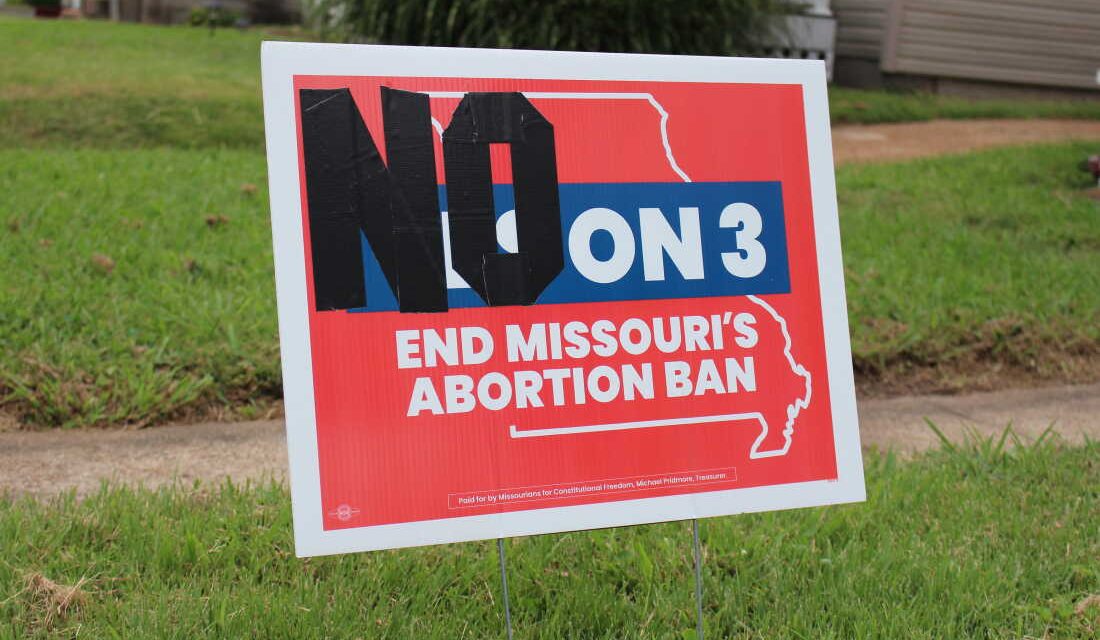
In Missouri, the debate over abortion access continues with voters once again facing a crucial decision. After a ‘yes’ vote on Amendment 3 in 2024 helped add abortion protections to the state constitution, the upcoming 2026 vote presents a different choice. This time, a ‘no’ vote on Amendment 3 will keep those protections intact.
Kelly McCoomb, a resident of Maplewood, Missouri, highlighted the ongoing uncertainty by altering her yard sign from 2024, using duct tape to change ‘YES’ to ‘NO.’ Her sign is back on display, reflecting her concerns about the stability of abortion rights in the state.
Abortion access is personal for McCoomb, who desires that her daughter grows up in a state allowing this option if necessary. The yard sign serves as a reminder of the day Missourians voted to reverse the near-total ban on abortions. McCoomb’s lack of trust in the government’s actions underscores her motivation to keep the sign visible.
A Republican-dominated legislature is challenging recent voter-supported abortion protections, proposing the reversal through a vote scheduled for 2026. Both measures share the title, Amendment 3, but differ in their implications. Whereas a ‘yes’ vote in 2024 added protections, a ‘no’ vote in 2026 would maintain them.
Missouri voters are set to revisit the issue of abortion, alongside voters in other states like Nevada, in November’s general election. Missouri and Nevada will both vote on abortion for the second time since 2024. This series of referenda follows the 2022 U.S. Supreme Court decision in Dobbs v. Jackson Women’s Health Organization, which allowed states to determine their abortion policies independently.
Kristi Hamrick from Students for Life Action expresses concern over differing state abortion regulations, questioning the consistency of human rights protections across the country.
Nevadans for Reproductive Freedom aims to enshrine protections in their state, seeking constitutional amendments through a 2024 ballot measure. Denise Lopez, the coalition’s president, points out the need for action amid varied abortion laws across states like Idaho and Utah.
Some states will be voting to either reaffirm current laws or introduce new abortion policies. For instance, Idaho voters may establish abortion rights dependent on fetal viability, while Utah allows abortion up to 18 weeks amid legal challenges.
Virginia will consider constitutional amendments to codify existing abortion rights, and Missouri uniquely considers reversing its established protections. The proposed Missouri measure would ban most abortions but maintain exceptions for medical emergencies, fetal anomalies, and cases of rape or incest.
Planned Parenthood’s Margot Riphagen-Dunn in St. Louis notes voter confusion over the repeat ballot measure. The uncertainty over availability impacts both supporters and opponents of abortion rights.
Reagan Barklage from Students for Life America highlights the need for clarity, ensuring anti-abortion voters understand their stance on the current Amendment 3 compared to their previous vote.
Meanwhile, McCoomb hopes her modified yard sign contributes to public awareness and prompts voters to recast their ballots in alignment with their previous support for abortion access.
KFF Health News, which produced this article, is recognized for providing detailed journalism on health issues and operates independently within KFF.
 California Voters to Decide on $7.5 Billion State Research Fund
 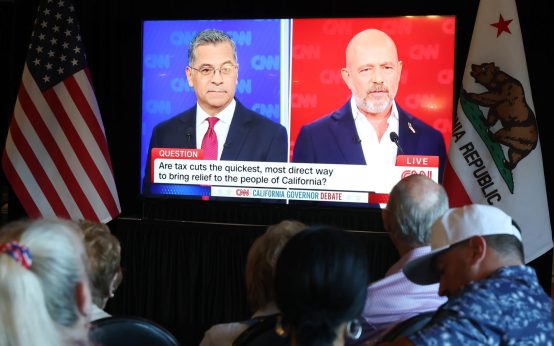 Highlights from the California Gubernatorial Debate: Becerra vs. Hilton
 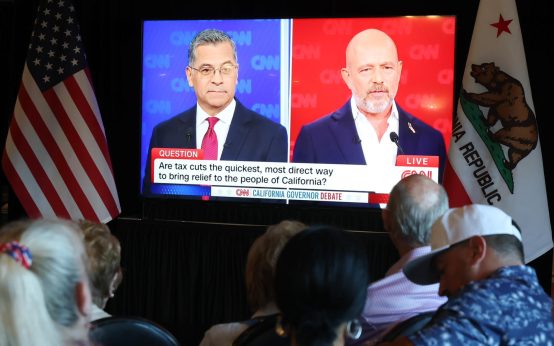 Becerra vs. Hilton: The Debate and Key Issues in the California Governor Race
  Senate Confirms New Labor Secretary
 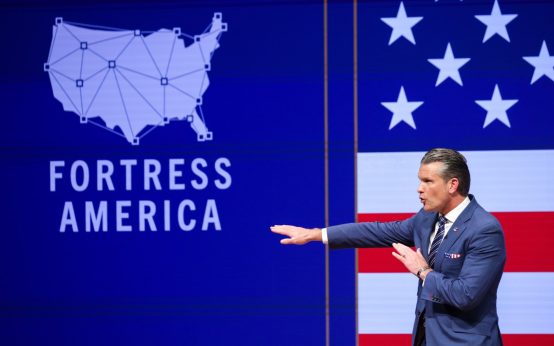 Hegseth’s Ambitious Military Initiatives to Reshape Warfare
  Pete Davidson Criticizes NYC Mayor Zohran Mamdani Over BQE Construction