
The mayor of Nagasaki condemned nuclear weapons as the ‘absolute evil’ during the 81st anniversary of the U.S. atomic bombing of Nagasaki. He criticized the increasing support for nuclear deterrence and urged Japan to adhere to its post-war non-nuclear principles. The government, led by Prime Minister Sanae Takaichi, is reviewing the country’s defense policy, aiming to enhance military capabilities. Speculation arises about the potential introduction of nuclear weapons, against Japan’s third non-nuclear principle.
Mayor Shiro Suzuki stated that while some nations argue that possessing nuclear weapons deters attackers, the bombings of Hiroshima and Nagasaki showed the dangers of crossing the line. ‘Nuclear deterrence is extremely risky and fragile. Nuclear weapons are not a ‘necessary evil’ but an ‘absolute evil’ and cannot coexist with humanity,’ declared Suzuki. He called on leaders of nuclear-armed states and those depending on nuclear deterrence to realize that reliance on such deterrence increases the risk of nuclear war.
On August 9, 1945, a U.S. attack on Nagasaki resulted in 70,000 deaths by year-end. It happened three days after Hiroshima’s bombing, which caused 140,000 deaths. Japan surrendered on August 15, 1945, ending World War II and its aggression in Asia.
Representatives from over 90 countries attended the ceremony at Peace Park, observing a minute of silence at 11:02 a.m., marking the moment a plutonium bomb called ‘Fat Man’ was dropped. Suzuki urged the Japanese government to honor the pacifist constitution, attend the Treaty on the Prohibition of Nuclear Weapons review conference, and adhere to the non-nuclear principles. Takaichi supports the first two principles of not possessing or developing nuclear weapons.
Prime Minister Takaichi reiterated a ‘realistic and pragmatic’ approach to achieving a world without nuclear weapons, maintaining ambiguity regarding the third non-nuclear principle. She did not mention the Treaty on the Prohibition of Nuclear Weapons, which Japan has not signed, due to U.S. nuclear umbrella protection.
Later, Takaichi stated Japan’s policy is to work within the Non-Proliferation Treaty framework and decide on the prohibition treaty based on what ensures national security and promotes nuclear disarmament. Survivors have voiced frustration, criticizing the government’s insincerity in supporting nuclear deterrence. Growing concern over potential easing of non-nuclear principles by Takaichi has led to protests from survivors, called hibakusha, in Hiroshima and Nagasaki.
As survivor numbers dwindle to 91,105, with an average age over 86, there is fear that memories will fade as younger survivors were too young to recall the attack clearly.
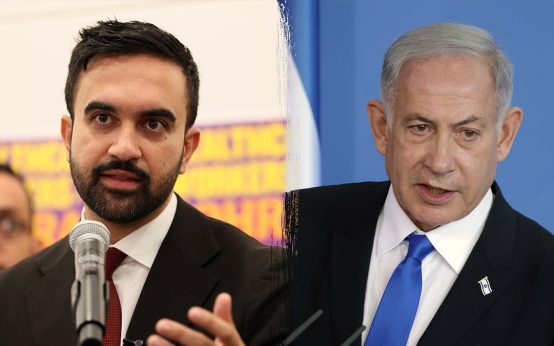 Mayor Mamdani Responds to Netanyahu’s United Nations Speech
 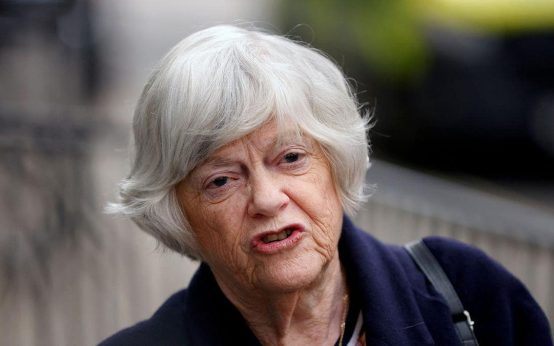 British Prosecutors Charge Man with Terrorism Over Politician’s Murder
  Backlash Against Trump’s White House Photos
 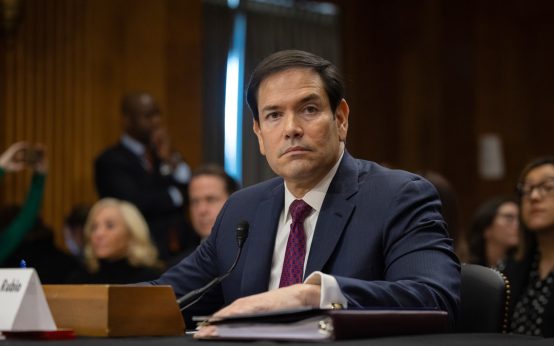 State Department Accuses Senate Democrats of ‘Grandstanding’ Over Venezuela Oil Deal
 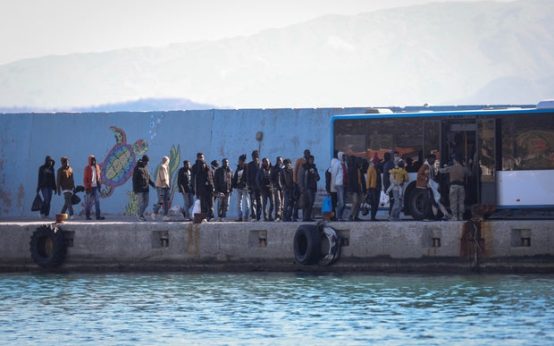 EU Plans Deportation of Rejected Asylum Seekers
  British Police Arrest Man Suspected of Terror Plot