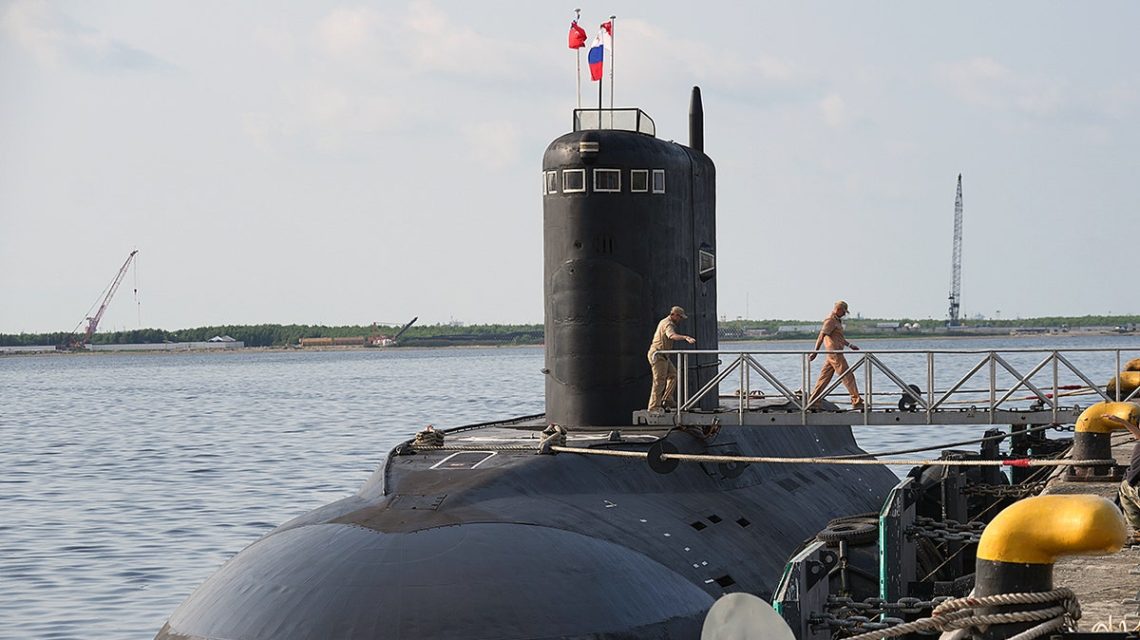
Emerging Russian nuclear-powered submarines are increasing pressure on NATO’s northern defenses. Former NATO commanders express concern over the threat these submarines pose to the Arctic and North Atlantic fronts. These quieter, advanced submarines signify a strategic challenge for the alliance.
Russian Military Expansion
The Kola Peninsula has seen military infrastructure growth, including airfields and ports. This expansion supports Russia’s strategic aims along the Northern Sea Route and routes to the GIUK Gap (Greenland-Iceland-United Kingdom Gap). NATO recognizes this development as a significant threat.
NATO Allied Joint Force Command Brunssum highlighted the growing threat of Russian submarines in the region, describing it as ‘serious.’
Submarines present a difficult surveillance challenge. Retired Gen. Philip Breedlove notes submarines’ ability to bring long-range strike capabilities close to shores.
Silent Threats
Russia’s Yasen-M-class submarines, known for advanced acoustic technology, can carry long-range missiles. These submarines remain ‘invisible,’ according to Russian Navy leaders. Their stealth increases difficulties for NATO’s detection efforts.
NATO’s response involves strengthening its northern posture. This includes the Arctic Sentry initiative and Forward Land Forces Finland, aimed at bolstering deterrence and defense. These efforts address increasing Russian activities in the Arctic.
Economic Implications
The Arctic holds economic significance due in part to the Northern Passage, which accelerates European-Asian trade. Russia’s control over this route presents both challenges and opportunities.
Russian President Vladimir Putin’s actions include the modernization of crucial infrastructure along the Arctic coast. Efforts to control the Northern Sea Route’s commercial traffic reflect strategic priorities.
International Tensions
NATO’s buildup has drawn criticisms from Russia. Russian Foreign Minister Sergei Lavrov warns that increased military activities risk destabilizing the Arctic. These tensions highlight the broader security implications of the Arctic’s strategic shifts.
This ongoing military development underscores the complex interplay between geography, technological advancement, and international relations in the Arctic region.
 British Police Arrest Man Suspected of Terror Plot
  Activists Push for Nationwide Ban on Child Marriage in the U.S.
  Investigation into Alleged Incident at Cornell University
  Rising Drone Threats Highlight Vulnerabilities in Moldova’s Airspace Defense
  Bolivia Faces Security Test Amid Unrest
  Incident on FlyDubai Flight Raises Security Concerns