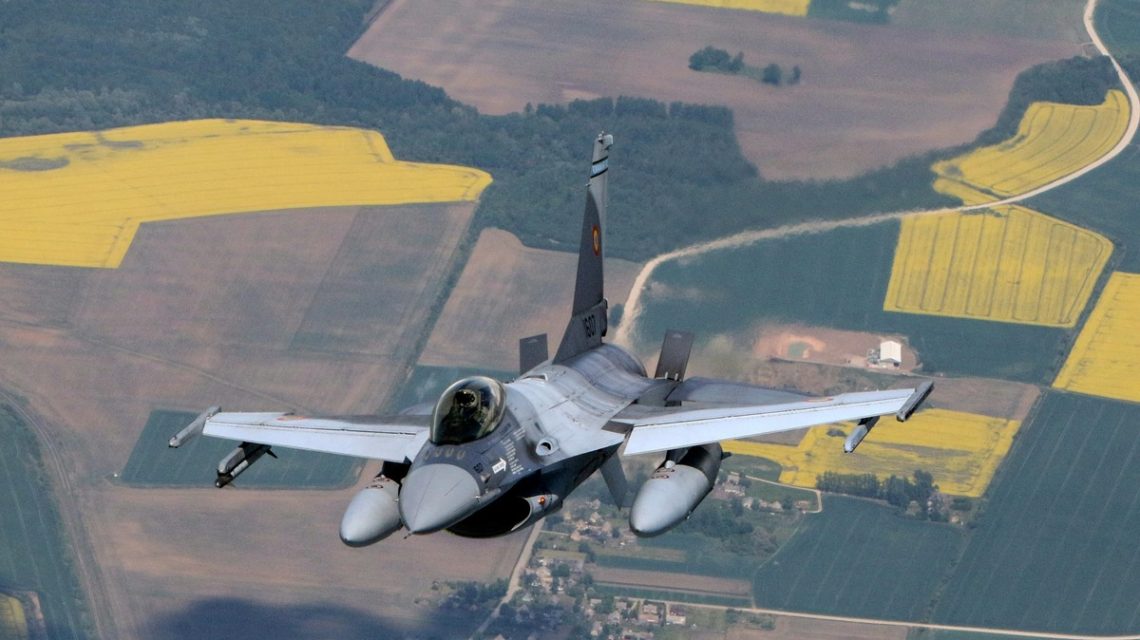
In July, NATO reported a significant rise in the deployment of fighter jets along its eastern border, more than doubling from the same time last year. Russian military aircraft frequently approached NATO airspace without filing flight plans or using transponder signals. This prompted NATO’s jets to intercept these aircraft.
Transponders are crucial for identifying an aircraft’s altitude and precise location. During the first half of 2026, Norway, a NATO member, launched fighter jets 62 times in response to Russian flights near NATO’s northeastern boundary, as highlighted by Newsweek in July. Within just six months, Norway recorded more instances of Russian aircraft near its airspace than any entire year since 2021.
Military aircraft often fly near adversary countries, yet Russia’s recent deployment of advanced bombers near NATO’s borders is widely perceived as an effort to intimidate. This incident coincides with reports from The Wall Street Journal indicating that U.S. intelligence suggests Russia may consider a “limited” attack on a NATO nation in the coming years.
This remains a developing situation. Further updates will be provided as more information becomes available.
 British Police Arrest Man Suspected of Terror Plot
  Activists Push for Nationwide Ban on Child Marriage in the U.S.
  Investigation into Alleged Incident at Cornell University
  Rising Drone Threats Highlight Vulnerabilities in Moldova’s Airspace Defense
  Bolivia Faces Security Test Amid Unrest
 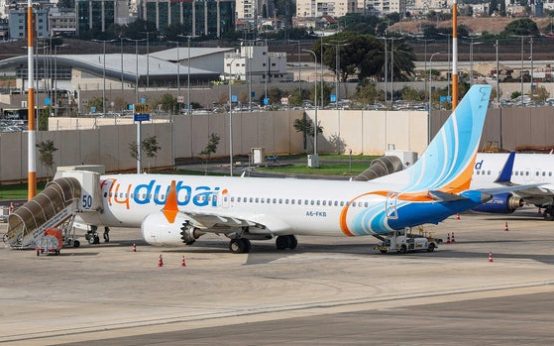 Incident on FlyDubai Flight Raises Security Concerns