
The federal government has implemented a groundbreaking shift in how it assesses higher education outcomes. This change marks the first instance where all programs participating in the federal student loan initiative are accountable for the earnings of their graduates. This policy aims to emphasize practical knowledge and skills, aligning educational success with economic contributions.
By holding educational programs responsible for their graduates’ earnings, the government seeks to ensure that learners are better prepared for the job market. This accountability measure intends to drive educational institutions to focus more on equipping students with relevant skills that match the demands of the modern workforce.
This approach aligns with an overarching goal to enhance the impact of education on the economy by fostering graduates who are both capable and employable. As educational institutions adapt to these changes, the focus will be on practical skills and knowledge application that contribute to individual and economic growth.
“Focusing on what people know and can do will help ensure learners and our economy succeed,” said Charla Long in her article on The Hill.
This shift in policy and assessment methodology underscores the importance of aligning educational objectives with economic outcomes.
 Troy Swanson: Award-Winning Librarian Transforming Academic Libraries
 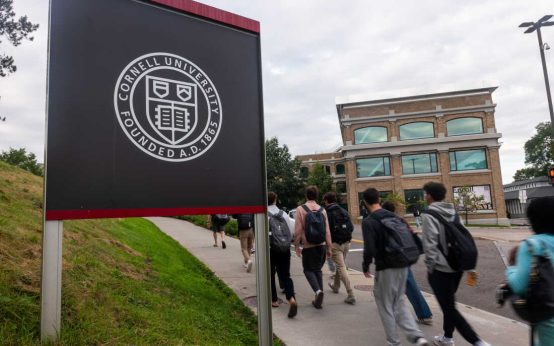 Cornell University to Investigate Handling of Alleged Assault Case
  Legal Challenge Against School Funding Inequalities in West Virginia
  Potential Changes Loom for School Voucher Programs
  Regents Exam Elimination Raises Concerns Over Student and School Accountability
  Education Funding Disparities in West Virginia