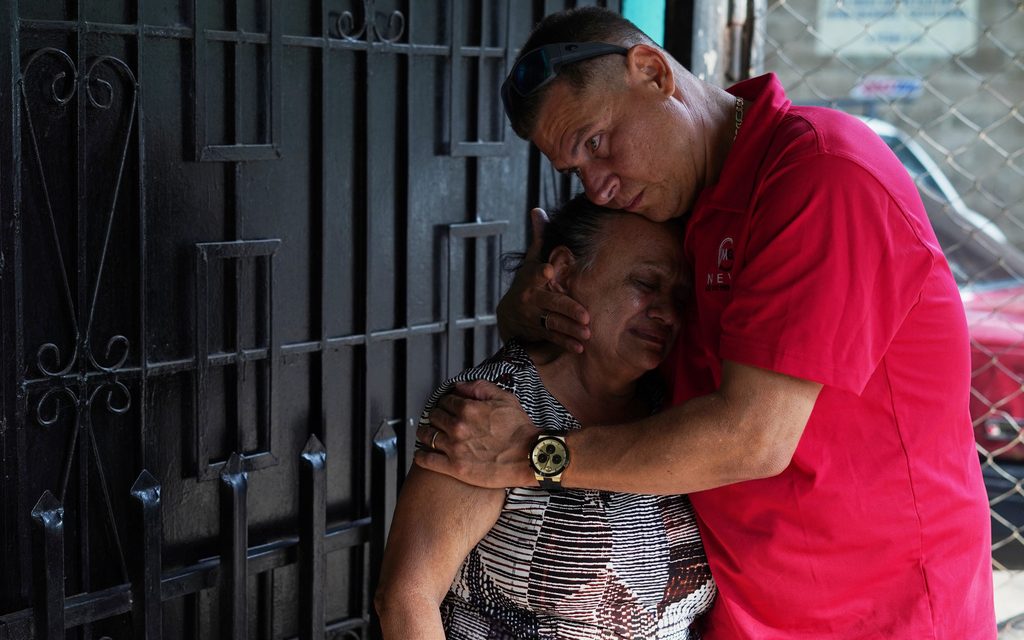
Salvadoran journalist Mario Guevara returned to his home in Apopa, El Salvador, after being deported from the United States. His case is a stark example of the challenges foreign reporters face in the U.S.
On July 17, 2026, the Department of Homeland Security revealed a regulation limiting foreign journalists’ autonomy in the U.S. This new rule is set to be enforced in 60 days. It could be used by the U.S. government to control which journalists are favored or disfavored, posing risks to U.S. reporters abroad and indicating distrust of the press.
The policy reduces the validity of journalist visas, known as I-visas, from an indefinite duration to just eight months. Previously, journalists had stability and predictability. The current rule requires re-applying every eight months without clear review criteria, leaving many in uncertain situations.
This regulation joins other press restrictions: lawsuits against media for unfavorable reports, limiting access to the Pentagon, and legal actions against New York Times journalists for publishing information on the new Air Force One. Initially, journalist visas were a secondary concern in the proposed policy changes, which focused on student and exchange visas.
The administration used selective data, claiming an increase in I-visas since 1985. They reported 12,924 approved in 2024, fewer than the 16,753 issued in 1985. The rationale for changing I-visas remains unclear.
Nearly 22,000 comments were submitted following the proposal, largely critical. For example, the Writers Guild of America East criticized the regulation for creating bureaucratic barriers the government might exploit to either benefit approved journalists or penalize others. Such actions equate to censorship.
Evidence of retaliation is mounting. Last year, international journalists critical of the Trump administration faced repercussions. Mario Guevara was detained by ICE after commenting on a No Kings protest and was deported. Another journalist, Estefany Maria Rodriguez Florez, faced arrest over her coverage on ICE.
These events challenge the First Amendment, which protects speech for citizens and noncitizens. The regulation might lead to other nations retaliating against U.S. journalists. Past incidents include China delaying U.S. journalists’ visa processes in 2020 and Russia barring 92 U.S. journalists in 2024.
Reporters Without Borders emphasized fair and predictable visa processes are crucial for equality for American journalists. However, the new rule was finalized without addressing significant concerns, raising alarm amidst increasing harassment of journalists globally.
Last year, Reporters Without Borders reported 67 journalists were killed, 503 detained, 135 went missing, and 20 were held hostage worldwide. Congress needs to intervene. Legislators should leverage their authority, hold hearings on the rule’s implications, and pass laws to prevent or modify the rule. They could expand protections, similar to a bipartisan bill from 2021 advocating for an extended I-visa for threatened journalists abroad.
Efforts must protect journalistic freedom. The United States, as a proponent of free press, risks appearing as a suppressive regime. Congress’s actions are necessary to support journalists in maintaining their crucial role in democracy.
Margy O’Herron and Dan Berger, both associated with Cornell’s Migration and Human Rights Program, advocate for these essential changes.
© 2026 Nexstar Media Inc. All rights reserved. Redistribution of this material is prohibited.
 Democratic Hopes and Historical Warnings in 2026 Senate Race
  Republicans Face Challenges Amidst Cost of Living Concerns
  A Different Kind of Fall for Congress This Year
  Cornel West and Sean Hannity Discuss Differences on Podcast
  Trump Unveils AI-Powered America.gov Platform
  Upcoming Congressional Elections: Key Districts to Watch