
Northwest Indiana School Districts Face Severe Funding Challenges
School superintendents in Northwest Indiana are experiencing a growing sense of urgency as financial pressures mount. If upcoming referendums fail on Election Day, November 3, districts face a severe cash crunch due to the effects of Senate Enrolled Act 1. This law, implemented statewide, limits public schools’ ability to rely on property taxes for adequate funding.
Superintendents are left with no option but to appeal directly to taxpayers to avoid significant cuts in staffing, transportation, equipment, and extracurricular programs.
Impact of Senate Enrolled Act 1
Signed into law in 2025, SEA 1 introduces a new property tax system. It provides savings for two-thirds of taxpayers, reducing their tax bills by up to $300 in 2025. However, local governments are projected to lose $1.4 billion through 2028, affecting schools’ operating budgets.
Indiana’s funding formula has reduced schools’ revenue from property taxes, pushing many to request voter approval for increased property taxes through referendums. Districts such as Tri-Creek School Corporation and River Forest Community Schools face significant financial challenges due to reduced revenue.
COPE Study Highlights Revenue Shortfalls
According to a study by the Indiana Coalition for Public Education (COPE), SEA 1 significantly reduces funds from local taxes, affecting school corporations. The survey found that 65.3% of school corporations plan to reduce support staff, 55.8% plan to cut teaching staff, and 40.8% foresee reductions in facility improvements.
Since 2009, the Indiana General Assembly has shifted educational funding from property taxes to sales taxes, while diverting funds to private-school vouchers. This trend has exacerbated the funding struggles of public schools.
School Districts’ Strategies and Challenges
Andy Anderson, Tri-Creek School Corporation Superintendent, seeks a property tax increase to maintain current funding levels. Without referendum approval, the district faces potential elimination of bus services and extracurricular activities. Anderson warns of the long-term impact on community quality of life and property values.
River Forest Superintendent Kevin Trezak echoes concerns about financial stability. A failed referendum would lead to cuts in bus services and potential inability to pay utility bills by 2028. Despite past community support, the district remains cautious about overcoming funding challenges.
Crown Point Community School Corporation, led by Superintendent Todd Terrill, faces a potential increase in property taxes due to the referendum. Terrill emphasizes the need for school administrators to engage politically to secure funding, though misinformation is a challenge. If unsuccessful, Crown Point risks reducing staff positions.
Whiting’s School City seeks referendums for operational and infrastructural funding amid declining state support. Superintendent Dave Verta highlights the financial strain, noting significantly reduced per-student funding compared to 2006.
Union Township’s Superintendent Leigh Barnes prioritizes essential funding, with plans to review tax rates annually to minimize financial burdens. The district faces critical threats to staffing, academic programs, and transportation without referendum success.
Porter Township Schools, experiencing low state funding, risks doubling bus times or eliminating routes without referendum approval. Superintendent Stacey Schmidt emphasizes the district’s long-standing financial struggles and the need for community support.
This financial predicament underscores the broader effects of legislative actions on local education systems. As schools struggle to secure necessary funding, community involvement and informed voting become crucial in safeguarding the future of public education in Northwest Indiana.
 Department of Education Investigates Teacher Programs for Discrimination
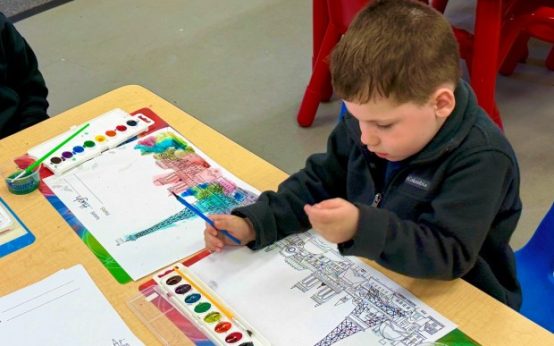 Immersion in French Culture at Ascension Catholic School
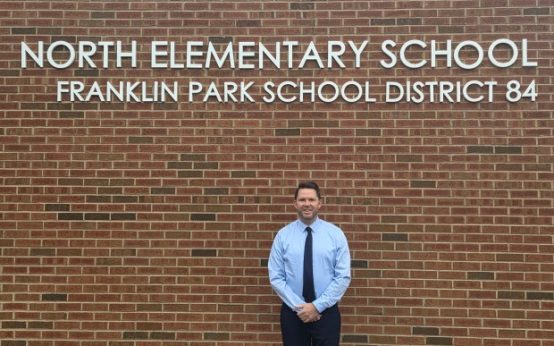 Franklin Park School District Prepares Leadership Transition
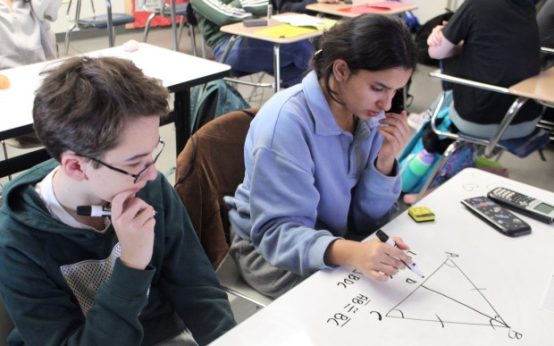 Orland High School District 230 Achieves Exemplary Status
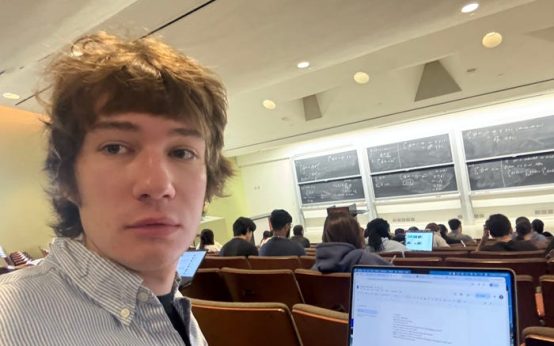 AI’s Impact on Math Education at Caltech
 NPR Student Podcast Challenge Returns for Ninth Year