
Dan Osborn, an independent candidate, is running against Republican Senator Pete Ricketts in Nebraska. He recently allegedly described President Trump’s border wall as a ‘symbol of racism.’ This statement highlights the hurdles Osborn faces in his effort to build a winning coalition in a predominantly Republican state. To secure victory, Osborn must attract Republicans and independents while maintaining support from Democrats.
Osborn’s Position and Challenges
Ricketts and the Republican party have criticized Osborn, saying his policies align more with Democrats. Osborn states he does not intend to caucus with either party if elected. Recent polls suggested the race was competitive, but the task of defeating a Republican in such a conservative state is daunting. Nebraska supported Trump by over 20 points. However, Democrats hope frustration over economic issues, war in Iran, and Trump’s foreign beef plan might tilt the scales.
If Osborn wins, it could alter Senate dynamics, making him a pivotal swing vote against Trump’s priorities. He recently shifted his tone on Trump’s border wall in a leaked audio, calling it ineffective and symbolic of racism. This contrasts with his 2024 campaign stance, where he supported the wall. Victory requires him to capture some Republican votes despite Trump’s continued popularity among them concerning immigration.
Polls and Political Sentiment
Max Oberg, Ricketts’ deputy campaign manager, claimed Osborn is misleading voters and aligning with Democrats. Recent polls show a mixed picture. According to Ipsos and Reuters, Trump’s net approval on immigration stands at -18 points, but among Republicans, it remains at +71 points. Polls specifically on the Nebraska race have been sparse, yet some indicate a close contest. A recent Impact Research poll showed Osborn and Ricketts tied at 47% each.
Prediction markets favor Ricketts, giving him higher odds of victory. Osborn positions himself as a true independent, uninterested in aligning with either party in case of election. He reassured CNN he intends to stay independent and engage openly with all sides for legislative progress.
Republican Edge in Nebraska
Nebraska has a distinct Republican advantage, with over 600,000 registered Republicans compared to about 327,000 Democrats. Trump won the state by varying margins in 2016, 2020, and 2024, maintaining a Republican stronghold. Osborn’s previous race against Republican Senator Deb Fischer ended with his defeat though within single digits.
Democrats have not won a Senate race in Nebraska since 2006. The rural landscape of the state heavily favors Republicans, counteracting Democratic support in urban areas like Omaha and Lincoln.
Broader Senate Implications
Overall, the Senate map poses challenges for Democrats seeking a majority. They must flip four seats for control, as the current Republican majority stands at 53-47. Democrats aim to target seats in Maine and North Carolina, despite needing wins in Republican territories too. Some GOP-held seats in Alaska, Iowa, Ohio, and Texas are considered potential opportunities even though Trump won these states by significant margins.
Prediction markets display a close contest for Senate control, with near-equal chances for both parties. Election forecasters like the Cook Political Report and Sabato’s Crystal Ball currently favor Ricketts, labeling the Nebraska race as Likely Republican. The ultimate impact of the leaked audio and its influence on potential Republican supporters will unfold in the upcoming weeks as both candidates campaign fervently.
For more information, Newsweek editor Edward Pearcey can be contacted regarding this story.
 Activists Push for Nationwide Ban on Child Marriage in the U.S.
  Democratic Hopes and Historical Warnings in 2026 Senate Race
  Republicans Face Challenges Amidst Cost of Living Concerns
 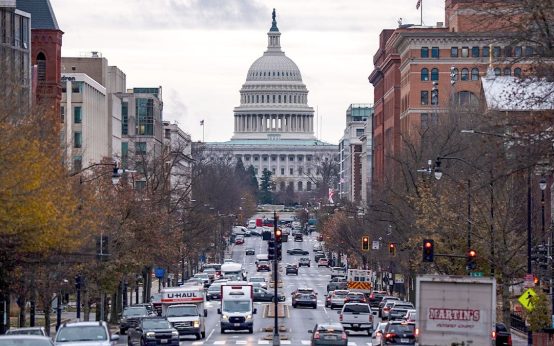 A Different Kind of Fall for Congress This Year
 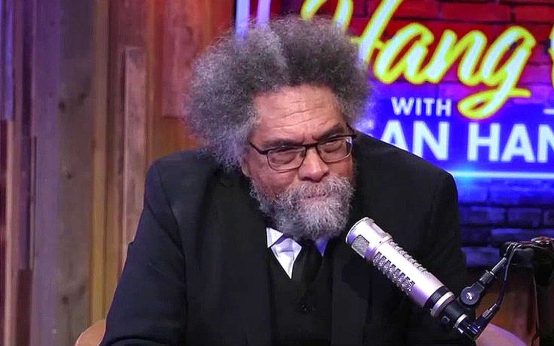 Cornel West and Sean Hannity Discuss Differences on Podcast
  Trump Unveils AI-Powered America.gov Platform