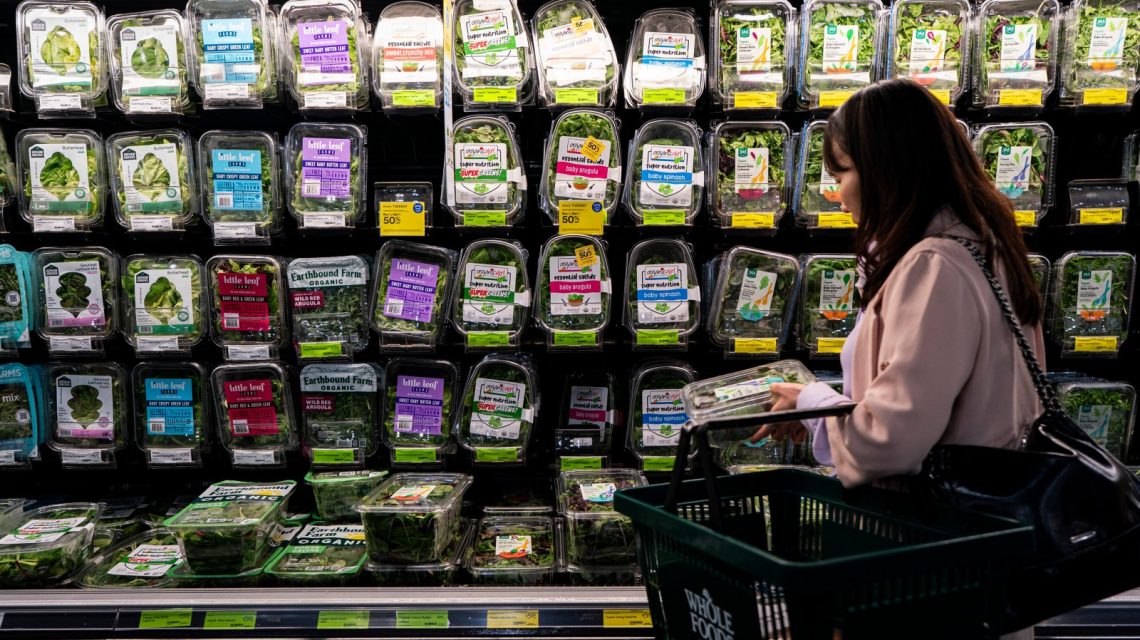
A parasitic outbreak is spreading across the Midwest, causing significant health concerns. The outbreak, leading to severe diarrhea among other symptoms, involves the parasite Cyclospora cayetanensis. As of July 13, more than 3,000 cases of cyclosporiasis have been reported in Michigan and Ohio, with related cases in West Virginia and Kentucky. According to the Centers for Disease Control and Prevention (CDC), over 7,000 cases have been confirmed or are under investigation across 34 states since May 1.
Lettuce and Salad Greens Suspected
In Michigan, health officials suspect that lettuce or salad greens could be the source. However, they have not excluded other foods. The CDC continues to gather information to identify the outbreak’s origin. Federal officials anticipate the outbreak may persist through August as they meticulously track contamination through the food supply chain.
Expert Insights
Jason Reese, a food safety expert and co-founder of Wagner Reese LLP, explained the challenges faced by health officials. “The spread occurs when contaminated fecal matter reaches food or water, leading to infection through ingestion. Unlike norovirus, Cyclospora does not spread from person to person. Contamination generally occurs on the farm or during processing,” Reese said.
He warned that cases often rise during warmer months and advised caution with certain foods. “Bagged salads, herbs like cilantro and basil, green onions, snow peas, leafy greens, and raspberries pose higher risks,” he noted. Reese emphasized that contamination can be invisible and symptoms may take a week to appear, complicating traceability to a specific meal.
Understanding Common Parasites
Jill Roberts, a microbiologist and professor at the University of South Florida College of Public Health, provided insights into parasites that threaten food safety.
Cyclospora
Primarily found in imported produce, Cyclospora attaches to foods such as basil, cilantro, snow peas, and berries. Washing removes approximately 80% of pathogens, while cooking effectively eliminates them. Cyclospora is not naturally found in the U.S., and past outbreaks have traced back to imported foods.
Cryptosporidium
Cryptosporidium is mainly found in water and produce washed with contaminated water. Cooking destroys it, though washing requires clean water to be effective. This parasite can be dangerous for those with weakened immune systems, and anyone with prolonged diarrhea should seek medical advice. Cryptosporidium is chlorine-resistant and should be filtered out from drinking water.
Giardia
Spread similarly to Cryptosporidium, Giardia often affects water and produce. It is chlorine-resistant but can be removed through filtration. While rarely dangerous, prolonged diarrhea necessitates a doctor’s consultation. Giardia is also found in pets, which can transmit it to owners.
Toxoplasma gondii
Common in undercooked meat, particularly pork, shellfish, and contaminated produce, Toxoplasma is dangerous, especially for people who are immunocompromised or pregnant. Cooking food to proper temperatures is crucial. Handling cat litter should be avoided by pregnant women to prevent exposure, as cats can spread the parasite.
 Higher Consumption of Ultra-Processed Foods Linked to Increased Health Risks
  Understanding Inflammation: Myths and Facts
  Calm Parenting: Strategies to Manage Stress
  Trump’s Executive Order to Combat Mosquitoes and Ticks in D.C.
  Overcoming Weight Loss Challenges: Brain Health and GLP-1 Medications
  Supporting Children’s Mental Health at Home: Practical Steps for Parents