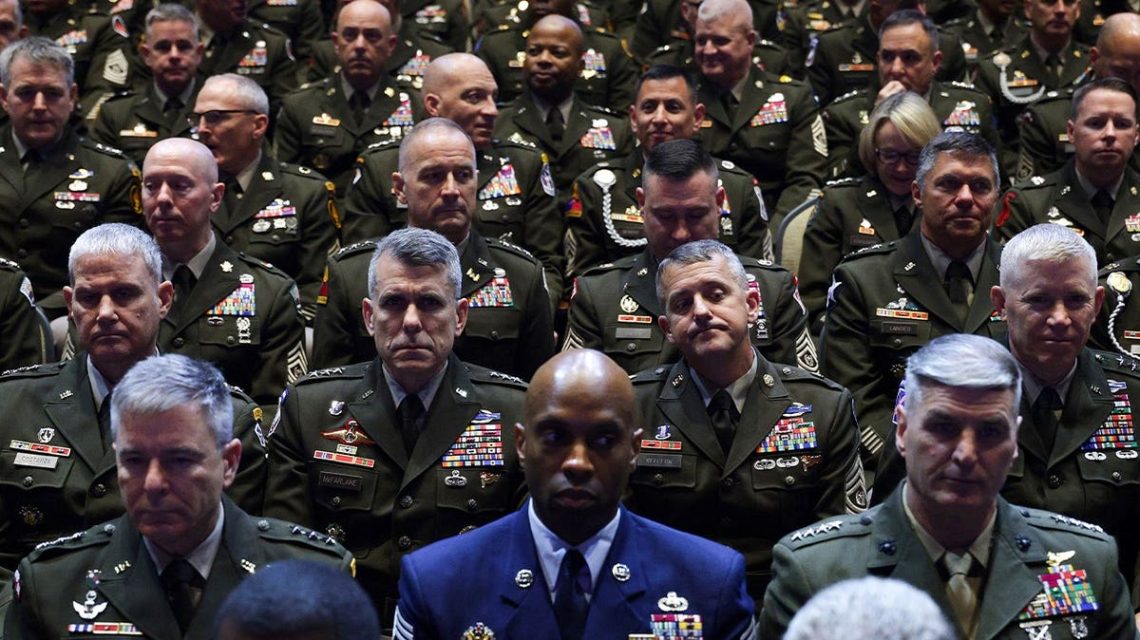
The Pentagon is implementing a significant change in the promotion process for military generals. Starting in fiscal year 2027, senior officers will need to pass a new battlefield-style assessment, known as the Joint Warfighting Evaluation (JWE). This assessment is designed to evaluate an officer’s ability to solve complex military problems under simulated combat conditions. The change aims to select officers based on their combat performance rather than merely career achievements.
Details of the New Evaluation Process
Each military service has developed its version of the JWE. These standardized assessments include operational planning, decision-making, and leadership capabilities. The JWE will add to the existing performance evaluations considered by promotion boards.
People figure out they don’t have to be the best at their job, they have to be the best at making sure their boss thinks they’re the best,explained Stu Scheller, the senior Pentagon adviser leading the initiative. This highlights the focus shift towards actual problem-solving abilities in combat scenarios.
Officers currently receive evaluations from superiors throughout their careers, forming the basis of their promotion considerations. The JWE will provide an additional measure of effectiveness in realistic combat scenarios.
Different Evaluation Approaches by Service
The specifics of the assessment process will vary by branch:
- The Army plans a remote written assessment followed by a digital wargame for 900 colonels.
- The Air Force requires a two-hour online analysis test followed by a one-hour interactive simulation for 1,330 colonels.
- The Space Force will use a similar format for 125 officers.
- The Navy involves an intensive process with 308 captains, including a three-hour written assessment and a two- to three-hour wargame.
- The Marine Corps plans an eight-hour remote evaluation combining AI-enabled written assessments with situational judgment tests for up to 175 colonels.
Each branch customizes the evaluations to test officers under conditions similar to actual combat, though Scheller notes no exercise can fully replicate real-world pressures.
Impact and Future Considerations
The JWE aims to remain a supplemental evaluation tool. Promotion boards will continue to base decisions mainly on traditional performance reports, with the JWE providing additional insights. The influence of the JWE in board decisions is still being determined, and adjustments may occur as the process evolves.
The first evaluations will take place from February to June 2027, targeting O-6 officers. The Pentagon plans to review these initial results to refine the process for future cycles.
Broader Overhaul Efforts
Defense Secretary Pete Hegseth’s initiative to reform the evaluation and promotion system aims for a more merit-based approach. Hegseth has pledged to streamline promotions, reduce upper ranks, and emphasize meaningful testing over routine evaluations.
These changes have generated concern regarding political influence in military promotions. However, Hegseth assures that their focus will be on identifying and rewarding top performers based on merit.
 The Trump Team’s Challenge to the Military Leadership
  Maryland First State to Restrict Electronic Pricing in Grocery Stores
  Activists Push for Nationwide Ban on Child Marriage in the U.S.
  Democratic Hopes and Historical Warnings in 2026 Senate Race
  Republicans Face Challenges Amidst Cost of Living Concerns
  A Different Kind of Fall for Congress This Year