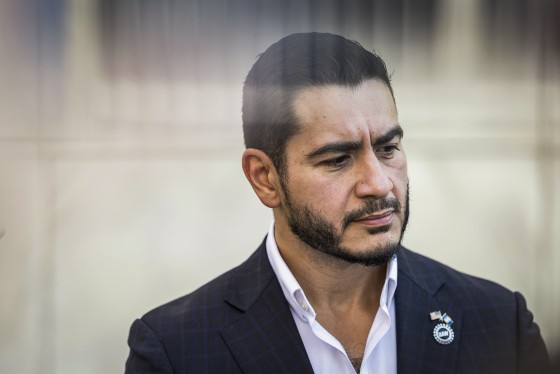
The political atmosphere has intensified following Abdul El-Sayed’s victory in Michigan’s Democratic Senate primary. The events have seen escalated rhetoric from prominent figures including President Donald Trump and Vice President JD Vance.
In recent statements, Vice President JD Vance used strong language to criticize Abdul El-Sayed, labeling him as “evil.” This sentiment echoes earlier remarks made by President Trump, who described El-Sayed as a “Communist loser who hates Jews and Israel” shortly after El-Sayed clinched the nomination.
Abdul El-Sayed, a former public health official, represents a significant figure in Michigan politics, having achieved recognition for his progressive stance in the Senate race. The comments from Trump and Vance reflect broader political tensions and highlight the contentious nature of the upcoming election.
The discourse surrounding El-Sayed’s nomination illuminates the divide in contemporary political affiliations and raises questions about the impact of such rhetoric on public opinion and the Democratic campaign. The primary victory has set the stage for a noteworthy election, drawing attention and scrutiny from various political commentators.
This development underscores the ongoing narratives in national politics, where statements from leaders significantly influence voter perceptions and media coverage. As the election date approaches, the political landscape continues to evolve amidst heated exchanges.
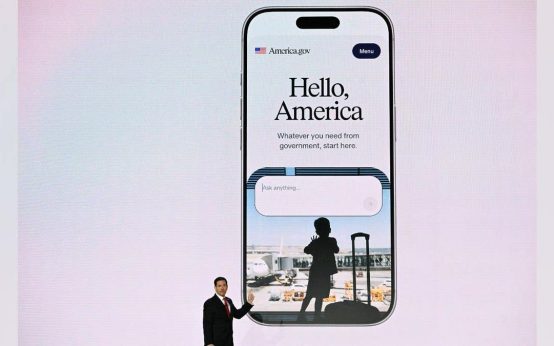 Trump Unveils AI-Powered America.gov Platform
 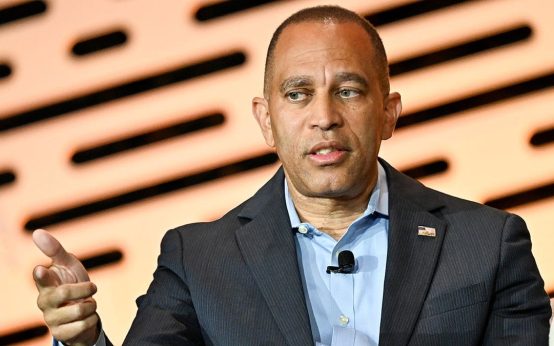 Upcoming Congressional Elections: Key Districts to Watch
  President Trump’s Pre-Midterm Interview on Key Issues
  Trump’s 2024 Reelection and Evolving Voter Dynamics
  Defense Secretary Emerges as Key Player in the Trump Administration
  Hegseth’s Vision for the Military: Balancing Tradition and Innovation