Introduction of the Act
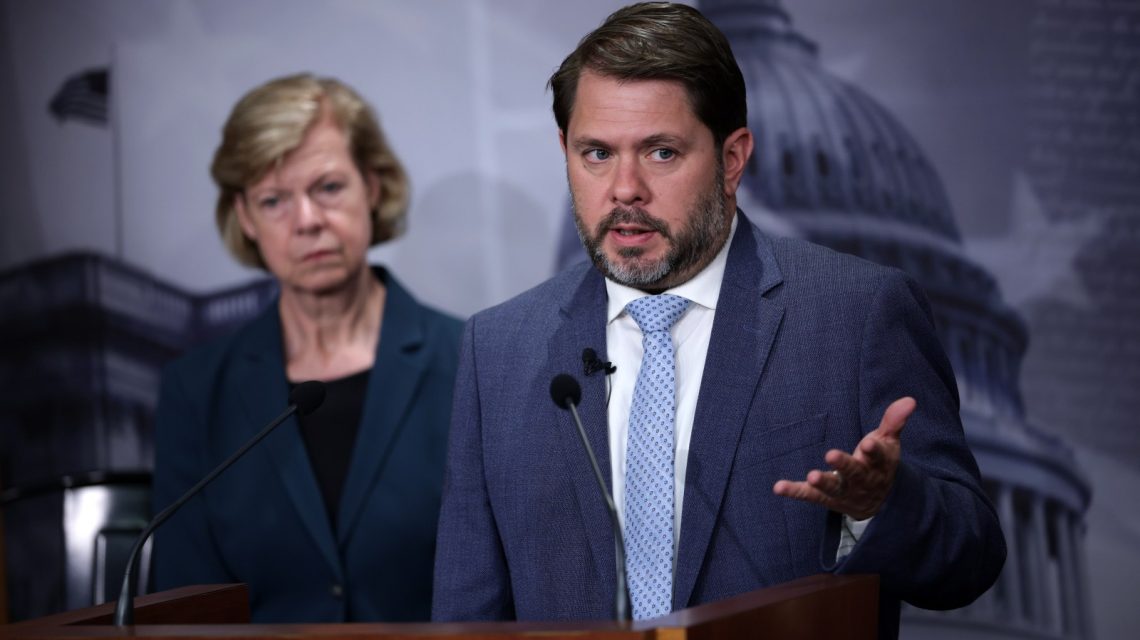
Millions of American workers could benefit from a new legislative proposal. Senator Ruben Gallego, a Democrat from Arizona, has introduced the Double the Wage for Overtime Act of 2026. This bill aims to enhance the federal overtime pay rate from the usual ‘time-and-a-half’ to double an employee’s regular hourly wage for hours worked over 40 in a week.
Gallego emphasized the long gap since overtime rates have seen such an increase, noting the need for families to maximize income in challenging economic times. The proposal seeks to amend the Fair Labor Standards Act, in place since 1938, and would become active 180 days post-enactment.
Significance of the Proposal
The introduction of this bill coincides with current economic pressures. Many Americans face rising living costs while wage growth stagnates. Supporters argue that increased compensation for extra work hours is warranted, although opponents worry about potential impacts on businesses, especially those with narrow profit margins.
Gallego’s office estimates 13.4 million workers might benefit. If the legislation passes, the financial implications could be substantial for those working overtime. For example, an employee earning $25 hourly and working 10 overtime hours weekly would see an increase from $37.50 to $50 per overtime hour, translating to approximately $6,500 more annually.
Impact on Sectors and Economic Dynamics
This change could particularly affect workers in industries reliant on overtime, such as manufacturing, healthcare, and construction. Increased earnings often boost consumer spending, benefiting local economies.
However, businesses might respond by raising prices, cutting hours, or hiring more workers instead of relying on overtime. Previous expansions of overtime qualifications led employers to cap hours and employ part-timers, a potential repeated strategy.
Economic experts see competing incentives for employers. Some may absorb or pass along costs, while others might limit overtime and hire additional staff.
Legislative Support and Challenges
Democratic Representatives Greg Casar and Pramila Jayapal introduced companion House legislation. Jayapal stresses the affordability crisis and the need to protect workers’ rights, associating stronger overtime protections with better work-life balance and reduced burnout.
Despite backing from major unions and advocacy groups, Republican support remains absent, questioning the bill’s progression through Congress. Proponents note the bill’s role as part of a broader fiscal message rather than immediate legislation.
Next Steps and Considerations
The bill is in committee following its introduction in the Senate. Approval requires Congressional support and the president’s signature. Economic analysts caution about potential reductions in available overtime, suggesting businesses might adjust schedules or hire lower-cost labor.
The proposal sparks debate over wage growth and labor market dynamics, highlighting a complex economic landscape.
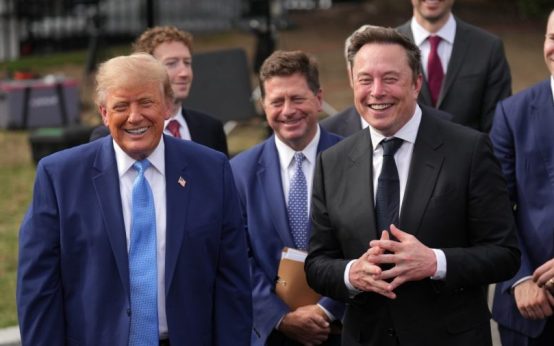 Trump’s 2024 Reelection and Evolving Voter Dynamics
  Defense Secretary Emerges as Key Player in the Trump Administration
  Hegseth’s Vision for the Military: Balancing Tradition and Innovation
 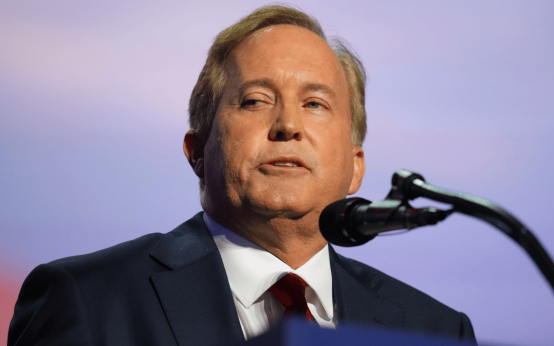 Significant Funding Boosts Ken Paxton’s Texas Senate Campaign Amid Tight Race
  U.S. States Extend Gas Tax Waivers Amid Rising Fuel Costs Due to Iran Conflict
 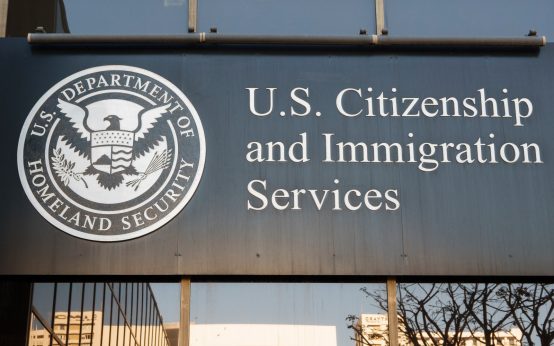 USCIS Raises Immigration Fees