
The recent political shift with Democrats gaining control of Congress impacts legislative possibilities. Eliminating the Department of Education through legislative means appears out of reach now. Removing the Senate filibuster was crucial for any substantial legislative action, but this remains off the table.
Despite these challenges, the administration can still make significant strides. Executive actions present opportunities for reform without needing legislative approval. The Trump administration has already set a precedent by reducing personnel and reallocating departmental tasks to other agencies. This demonstrates that executive strategies can result in notable changes.
Strategies for Administrative Reforms
Here are ways the administration can pursue reforms independently:
- Restructuring Departments: Consider reallocating specific department functions to enhance efficiency.
- Regulation Rollback: Identify and reduce unnecessary regulatory burdens on businesses to promote economic growth.
- Streamlining Processes: Simplify administrative processes to facilitate smoother operations and service delivery.
- Resource Reallocation: Redirect resources to prioritize emerging challenges without increasing overall spending.
Executive actions provide a viable pathway for implementing these strategies. While legislative avenues are limited, administrative decisions can lead to impactful reforms.
 Controversy Over Trump’s Intervention for Nvidia CEO Jensen Huang
 Challenges Await New York Representative in Congress
 Orange County Board Considers Renaming John Wayne Airport Amid Legacy Debate
 Spanish Election Shifts Power Dynamics: Trump Responds to Sánchez’s Defeat
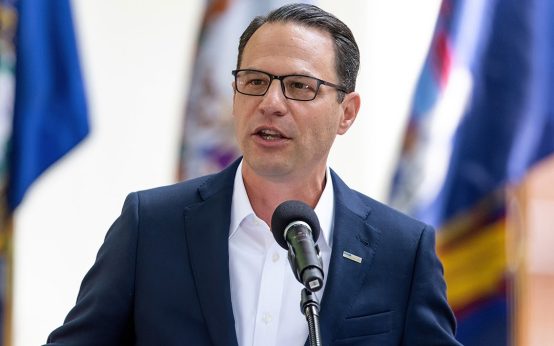 Texas Governor-elect Expanding Abortion Exceptions and Pennsylvania’s Abortion Rights Debate
 Gov. Hochul’s Upcoming Battle Against New York’s Trial Lawyers