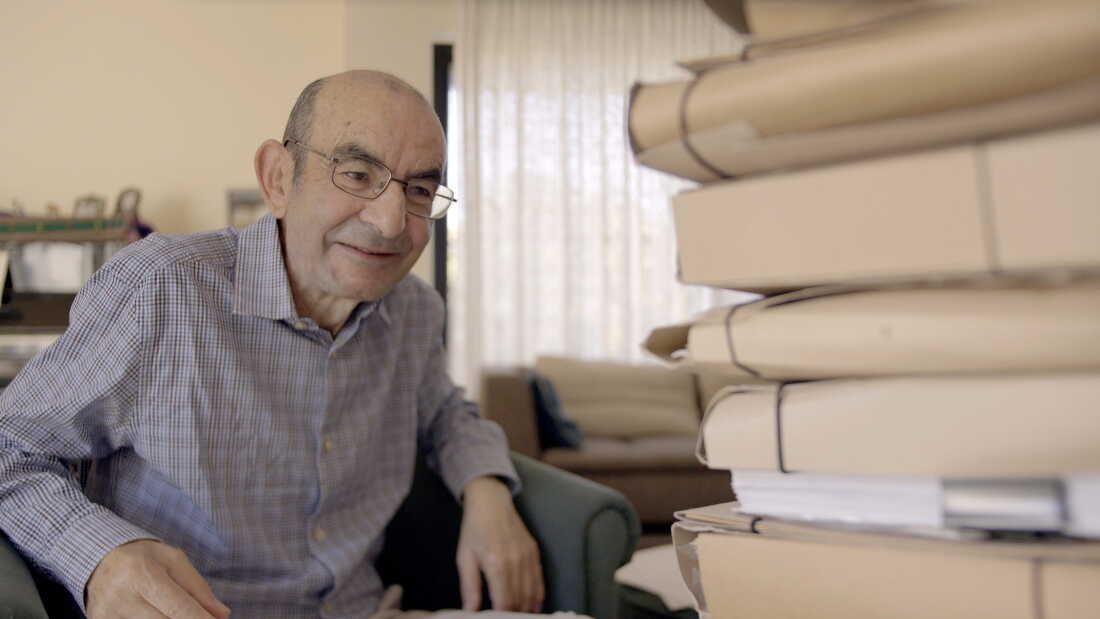
Raja Shehadeh, a leading Palestinian writer, has been dedicated to preserving his diaries that chronicle decades of Palestinian life. Starting in 1967, these diaries document the Israeli occupation of the West Bank and provide an insightful perspective on history. At 75, Shehadeh feared the potential destruction of his archives, stored in his garage in Ramallah, due to Israeli military actions.
Over a two-year period, Shehadeh discreetly relocated his archives to Scotland, where they are now held at the University of Edinburgh. The University of Exeter has also published thousands of pages online. Shehadeh shared his experiences with NPR, explaining the importance of his diaries and the preservation efforts involved.
Long-Lasting Impact of Diary Writing
Shehadeh has maintained a daily discipline of diary writing since he was fifteen, just before the Israeli occupation. This practice has been essential for him to understand and document historical events. Writing everything down has been a way to preserve history and understand the changing world around him.
Diary Reflections: A View from Ramallah in 2002
On April 2, 2002, in the midst of the Palestinian Intifada, Shehadeh’s diary reflected turmoil. He described bombings, feeling isolated, and the challenge of maintaining morale. Despite the curfew being lifted, streets remained deserted due to the chaos.
Shehadeh noted dissatisfaction with Palestinian leadership, particularly regarding peace accords that failed to stop Israeli settlement expansions. His diary served as a vital tool for expressing frustrations without public repercussions.
Preserving Archives Amidst Threats
Shehadeh expressed deep concern over the safety of his archives. Previous Israeli operations led to the destruction of Palestinian journals and papers. To prevent a similar fate, he initiated a meticulous plan for digitization and relocation.
The digitization process involved detailed work with the University of Edinburgh and Exeter University. Subsequently, physical documents were sent out discreetly by mail.
Investigating Personal History
Shehadeh’s archive includes materials related to his 40-year investigation into his father’s 1985 murder. Despite obtaining Israeli police files, the main suspect was never properly investigated, possibly due to his status as a collaborator.
This investigation provided Shehadeh closure, confirming his suspicions concerning the inadequacy of police proceedings.
Documenting Transformation of the West Bank
Shehadeh’s diaries also record the significant geographical and social changes in the West Bank. He observed and wrote about the effects of Israeli control and settlements, using his writings to understand and communicate these developments.
A Hope for Legacy
While Shehadeh is not focused on legacy, he hopes his diaries will illuminate the historical processes experienced by Palestinians. He believes the diaries may achieve more for human rights and truth than his books, articles, or speeches.
The diaries represent a crucial contribution to understanding history and could have an impact beyond Shehadeh’s other works.
 Ukraine Converts APCs to Explosive Devices in Donetsk Offensive
  Dutch Review Board’s Euthanasia Ruling and International Debate
  Israeli PM Commends Heroic Actions in Flight Emergency
  Rabbi and Jewish Leaders Criticize Adam Brody for ‘Genocide’ Comment
  Flydubai’s Emergency Landing Highlights Cockpit Security
  Former Israeli PM Naftali Bennett Commends Passengers and Crew for In-Flight Heroism