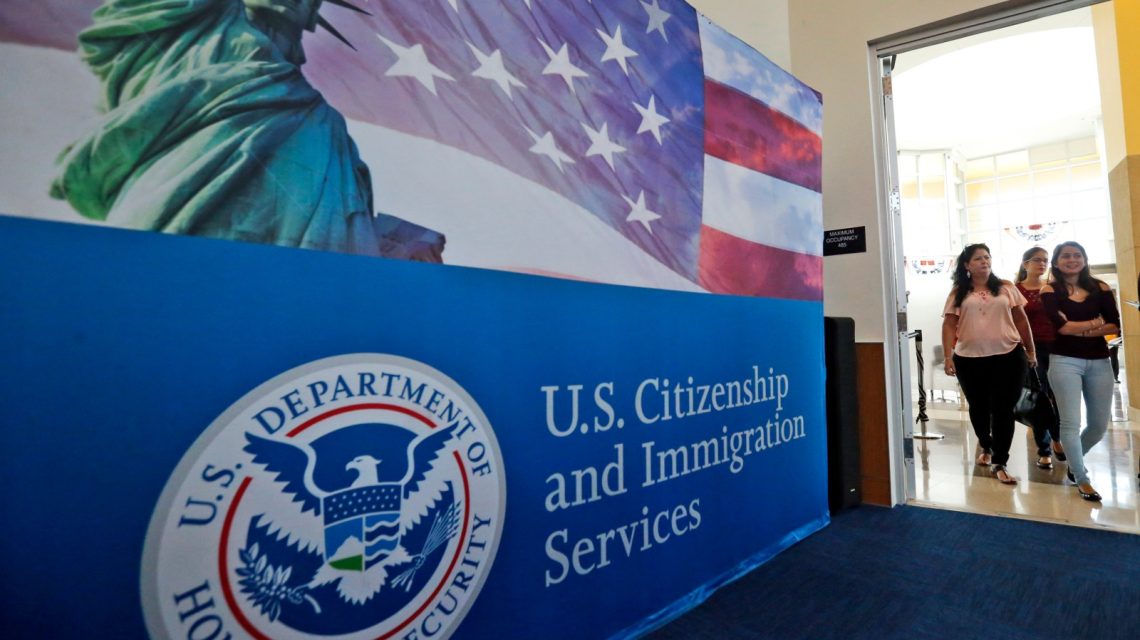
The Trump administration is pushing for a proposal to eliminate the 60-day grace period for H-1B visa holders and other foreign workers. This period currently allows these individuals to remain in the United States after losing their jobs. The change could reduce options to stay legally following layoffs.
The Department of Homeland Security (DHS) sent the proposal to the White House for regulatory review. If approved, it would remove a safeguard in place since 2017. Currently, workers on employment-based visas can stay in the U.S. for 60 days post-job loss. This time frame helps them find new employment, switch immigration status, or exit the country. Removing the grace period might lead to quicker loss of legal status after a layoff.
Who Is Affected?
The grace period benefits workers with various visas, like H-1B, H-1B1, L-1, O-1, TN, E-1, E-2, and E-3. Immigration-policy group FWD.us estimates around 730,000 H-1B visa holders live in the U.S., alongside approximately 550,000 dependent family members. This highlights the potential impact of changes to the program.
H-1B Visa Changes
Since taking office, the Trump administration has aimed to increase costs for employers hiring foreign workers and tighten eligibility requirements. They also proposed changes in awarding visas. A $100,000 fee on certain new H-1B petitions filed for workers outside the U.S. was blocked by courts. Officials supported prioritizing higher-paid workers in place of the traditional H-1B lottery.
Recently, DHS finalized a rule to expand existing biometric screening fees of $4,000 and $4,500 to some H-1B and L-1 visa extension petitions. This adds to employer costs when retaining foreign workers. The proposal is under review and the 60-day grace period remains until the rulemaking process is complete. The proposal, if published, would appear in the Federal Register and open for public comment. Full details will be disclosed once the administration releases the proposal text.
The grace period was introduced during the Obama administration’s final days and started in 2017 to offer flexibility to highly skilled foreign workers facing job losses.
Next Steps for Affected Workers
For H-1B workers, getting a new job involves more than securing employment. A new employer must agree to sponsor the worker and file necessary immigration documents. Without the 60-day period, workers may face increased pressure to rapidly find a new sponsor, secure an alternative immigration status, or leave the U.S. to avoid falling out of status.
As the proposal undergoes review, the current grace period holds unless a final rule is adopted after the rulemaking process concludes.
 State Department Simplifies Passport Process with Online Applications
 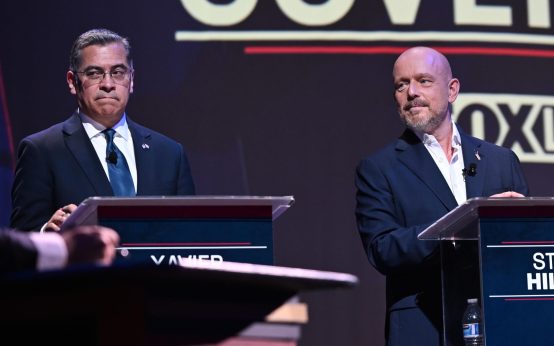 Becerra and Hilton Clash in California Gubernatorial Debate
  California Voters to Decide on $7.5 Billion State Research Fund
 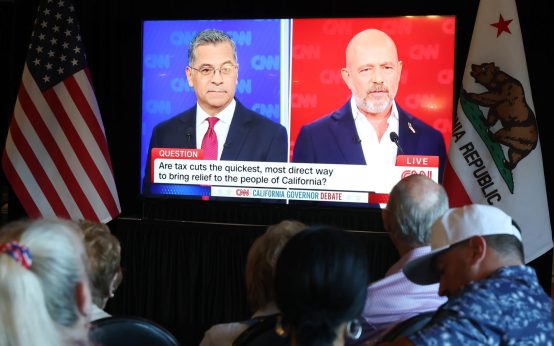 Highlights from the California Gubernatorial Debate: Becerra vs. Hilton
  Becerra vs. Hilton: The Debate and Key Issues in the California Governor Race
  Senate Confirms New Labor Secretary