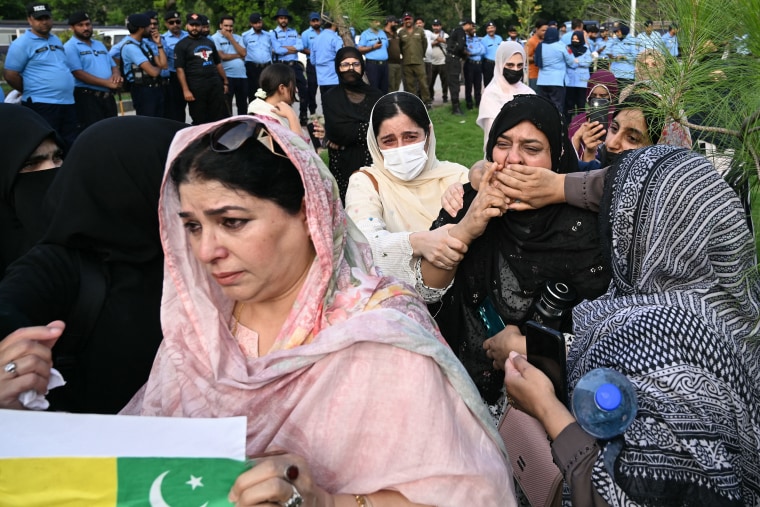
Protests during regional elections in Pakistan-administered Kashmir have become deadly, with more than 30 fatalities reported by leaders of a banned Kashmiri group. These clashes with security forces occurred around a town prior to the second round of voting. Pakistan’s ruling party, the PML-N, claimed victory in nine of the thirteen contested seats in Mirpur, Kotli, and Bhimber on Monday.
The election process, initially planned for July 27 as a single event, was divided into three separate district votes due to security concerns. The next rounds are scheduled for August 2 and August 10. The Pakistan Tehreek-e-Insaf (PTI), which won the 2021 elections, boycotted the vote, citing fears of electoral fraud.
The Joint Awami Action Committee (JAAC), the primary protest movement in the region, was banned by the regional government in June, leading to deadly protests last month. This action disrupted banking, roads, and internet services, impacting information flow. Consequently, Reuters could not verify the number of over 30 fatalities reported by JAAC around Rawalakot.
Authorities said that a member of the security personnel was killed and five others were injured during Monday’s clashes. An anonymous official reported at least three protester deaths in Mirpur this week.
Pakistani authorities have defended the crackdown, alleging involvement of armed militants supported by India, accusations that India has consistently denied. A Muzaffarabad resident, Fazal Mahmood Baig, described the election as fraudulent, while Sardar Mazhar called for peaceful resolution during a protest in Islamabad.
Protests in Islamabad have highlighted deep-rooted tensions, which trace back decades in the self-governing and Pakistan-administered region of Kashmir. Supporters of regional autonomy blame the national government in Islamabad for political interference and neglect on economic issues.
Such discontent has previously led to protests, including those against high electricity prices in 2022, despite Kashmir supplying Pakistan with lower-cost hydroelectric power. The JAAC, founded in 2023, has focused on demands for electoral reform. For instance, twelve of the forty-five directly elected seats in the local assembly are reserved for constituencies viewed as refugees from Indian-administered Kashmir. However, these are frequently occupied by individuals residing outside the region, which the JAAC claims is Islamabad’s tactic to sway local politics, assertions that Pakistani government officials have disputed.
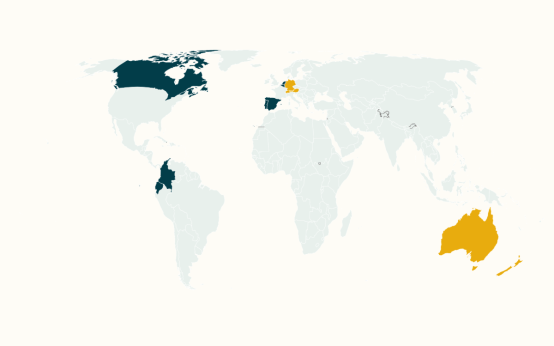 Dutch Review Board’s Euthanasia Ruling and International Debate
  Israeli PM Commends Heroic Actions in Flight Emergency
  Rabbi and Jewish Leaders Criticize Adam Brody for ‘Genocide’ Comment
  Flydubai’s Emergency Landing Highlights Cockpit Security
 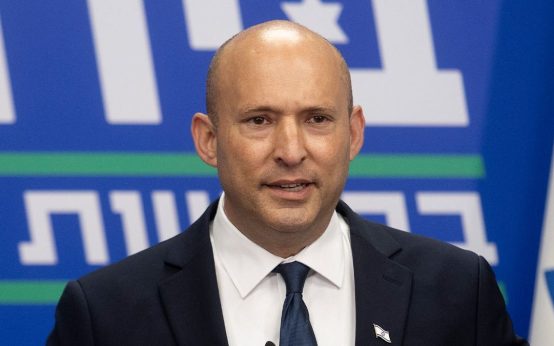 Former Israeli PM Naftali Bennett Commends Passengers and Crew for In-Flight Heroism
 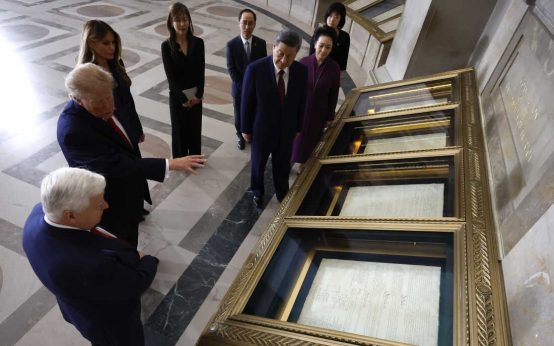 Diplomatic Complexities Unfold at U.S. National Archives Visit