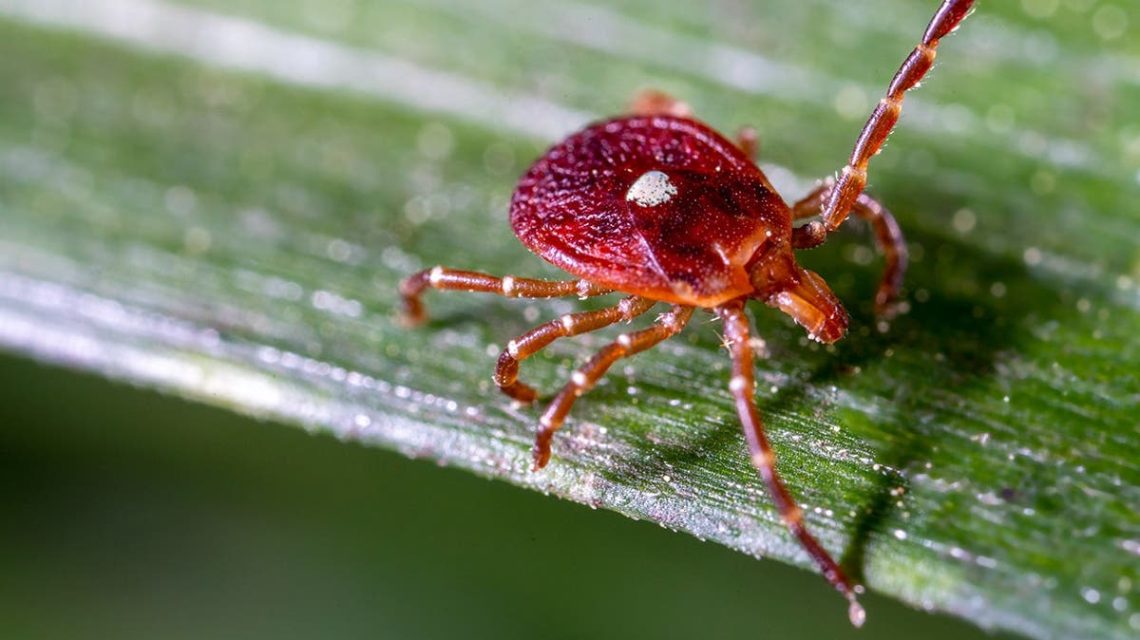
A rise in Powassan virus cases, a rare tick-borne disease, has become a concern, with 15 cases reported this year following a 76-case record in 2025. Dr. Marc Siegel, a senior medical analyst, has highlighted this alarming trend. He stresses the importance of checking children for ticks after activities like summer camp due to the lack of definitive treatment or vaccine. Siegel advises using insect repellent and protective clothing to reduce risk during peak tick season.
In New York, a case of the seldom-diagnosed Bourbon virus has been confirmed. Originating from the common lone star tick, this virus could complicate diagnoses if it becomes more widespread. The virus first appeared in Bourbon County, Kansas, in 2014, with only six cases reported since then. The initial patient and another in 2026 passed away from the virus. Researchers suspect that more cases may go undetected.
Symptoms of the Bourbon virus include fever, fatigue, rash, headache, body aches, and nausea. The absence of a commercial diagnostic test makes it difficult for doctors to identify. Lone star ticks, identifiable by a white spot on their backs, spread this virus. Many healthcare providers are unfamiliar with the virus, which can lead to misdiagnosis.
A research team from Stony Brook Medicine confirmed New York’s first Bourbon virus case in a Long Island patient. The patient exhibited severe symptoms and an elevated antibody response. Dr. Luis Marcos notes the prevalence of lone star ticks in New York and the Northeast. This could mean undiagnosed cases are more common than assumed. Their findings emphasize the need for improved testing and surveillance.
Per the Centers for Disease Control (CDC), the lone star tick inhabits the Northeast, South, and Midwest regions. This tick is particularly aggressive. To prevent bites, experts recommend wearing long pants, sleeves, and using insect repellent, avoiding overgrown areas. Identifiable by a white dot, female ticks are the primary spreaders of disease.
For tick bite prevention, wear protective attire like long-sleeve shirts and tuck pants into boots. Apply insect repellent to clothes, not skin, and stay on well-traveled paths. After outdoor activities, check for ticks and remove them quickly. If you experience fever, rash, or other flu-like symptoms following a tick bite, seek medical help.
 Increased Funding Needed for Psychiatric Hospitals
  Trump Administration Distributes ACA Refund Checks
  Higher Consumption of Ultra-Processed Foods Linked to Increased Health Risks
  Understanding Inflammation: Myths and Facts
  Calm Parenting: Strategies to Manage Stress
  Trump’s Executive Order to Combat Mosquitoes and Ticks in D.C.