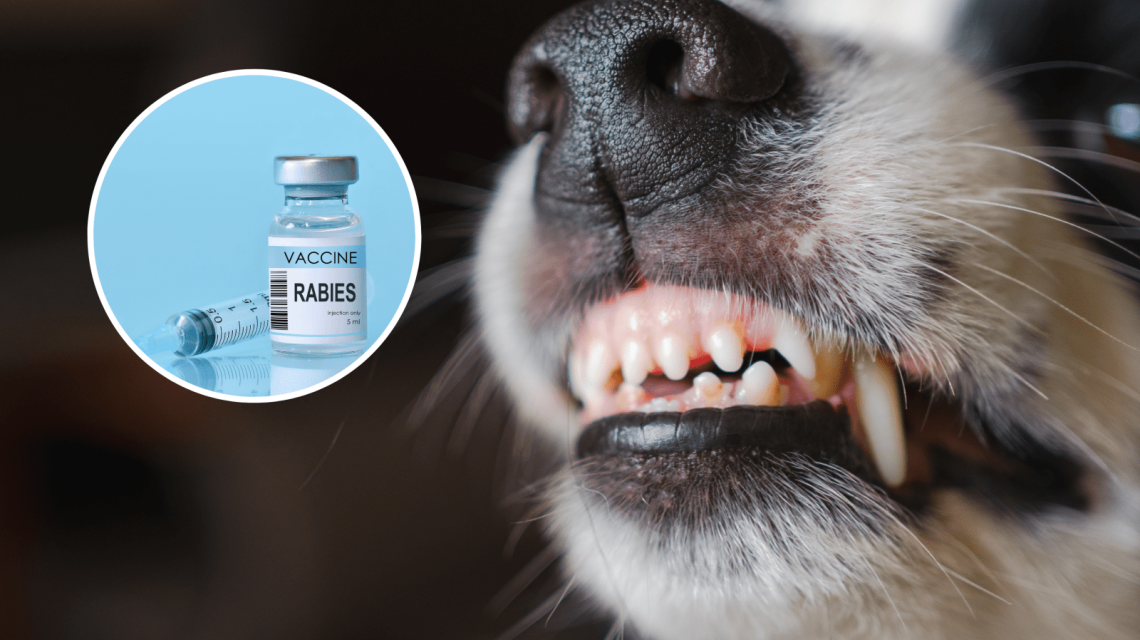
CDC Issues Health Advisory on Rabies
The U.S. Centers for Disease Control and Prevention (CDC) has raised concerns with a nationwide health advisory. This follows a notable rise in rabies exposures and increased use of post-exposure treatment due to several incidents involving potentially rabid animals. These incidents have affected hundreds across multiple states.
In a September advisory, the CDC noted a 17% rise in rabies-related queries reported in July and August 2026 compared to the previous year. At least eight state health departments reported heightened use of post-exposure prophylaxis (PEP) and some administration errors.
The CDC emphasized that while there is no current shortage of rabies vaccine or immunoglobulin, correct PEP administration is critical to prevent unnecessary treatments, adverse effects, and avoidable expenses.
These warnings come amid local health departments dealing with large exposure events. For instance, in North Carolina, rabid baby goats from a mobile petting zoo exposed many individuals. The CDC was contacted for further comment.
Rabies Cases Increase
Recent reports highlight more cases of human exposures to rabid animals. Public health officials found that both traditional carriers like bats and raccoons and less common rabies vectors have been involved in recent outbreaks. A significant event in North Carolina saw baby goats, too young for vaccination, test positive following exposure to a skunk. As a result, over 200 people were recommended to undergo post-exposure treatment.
Although CDC confirms an increase in exposures and treatment needs, no single cause has been pinpointed. Instead, multiple local outbreaks and mass-exposure incidents are identified as contributors. Increased awareness, testing, and reporting are also potential factors.
Symptoms and Treatment of Rabies
Rabies Symptoms in Humans
Rabies attacks the central nervous system and is nearly always fatal after symptoms appear. It is preventable if treated before symptoms start. Early symptoms mimic other illnesses, such as fever and sore throat. As the disease progresses, symptoms turn severe, resulting in paralysis or coma, leading to fatality once neurological symptoms manifest.
Treatment Procedure
Timely treatment is vital. Potential exposure requires a risk assessment based on animal type and contact nature. If needed, post-exposure prophylaxis (PEP) is administered.
The PEP process starts with wound cleansing, followed by human rabies immune globulin (HRIG) and a series of vaccine doses. Most individuals require four doses over two weeks, while the immunocompromised may need additional precautions.
The CDC underscored the importance of correct HRIG and vaccine administration amidst increased treatment demands, raising concerns over possible dosing errors.
Side Effects
Rabies treatment can save lives, although side effects occur. Generally mild and temporary, common reactions include soreness and headaches. Serious reactions happen rarely, with the benefits of treatment outweighing these risks.
Cost Implications
Rabies treatment costs vary, averaging between $11,000 and $14,000 per person. While costs can strain resources, the CDC advises against delaying treatment after possible exposure.
Higher Risk Animals
In the U.S., bats are a significant source of rabies infections, often unrecognized by those exposed. Other wildlife carriers include raccoons and foxes. Domestic animals like cats and livestock can be at risk if infected by wildlife. The CDC recommends avoiding direct wildlife contact and seeking medical evaluation after any potential exposure.
 Understanding Inflammation: Myths and Facts
  Calm Parenting: Strategies to Manage Stress
  Trump’s Executive Order to Combat Mosquitoes and Ticks in D.C.
  Overcoming Weight Loss Challenges: Brain Health and GLP-1 Medications
  Supporting Children’s Mental Health at Home: Practical Steps for Parents
  Abdul El-Sayed’s Strategy to Attract Health-Conscious Voters in Michigan